Introduction
In 2026, the digital landscape is more competitive than ever. Search engines have evolved, user intent is clearer, and the volume of content on the web continues to grow at an exponential rate. For marketers, bloggers, and content creators, mastering a robust SEO content strategy step by step guide is no longer optional—it’s essential for staying visible, driving organic traffic, and achieving high rankings in the SERP.
This guide walks you through every phase of a proven SEO content strategy, from initial research to ongoing optimization. We’ll blend classic best practices with the latest 2026 trends, and show you how BlogHunter can automate repetitive tasks, freeing you to focus on creative storytelling and data‑driven decisions.
Step 1: Define Your Goals and Audience
Before you write a single keyword, clarify what you want to achieve. Are you looking to generate leads, increase brand awareness, or drive e‑commerce sales? Setting clear, measurable objectives (e.g., 20% increase in organic traffic, 15% rise in keyword rankings) gives your strategy direction.
Next, build detailed buyer personas. In 2026, audiences are fragmented across platforms—think TikTok, LinkedIn, and niche forums. Understanding their pain points, preferred content formats, and search behavior will shape every subsequent step.
Step 2: Conduct In‑Depth Keyword Research
Keyword research remains the backbone of any SEO content strategy. Use advanced tools like Ahrefs, SEMrush, or the new SearchGenie 2026 to uncover high‑intent keywords.
- Seed Keywords: Start with broad terms related to your niche.
- Long‑Tail Variations: Look for 4‑5 word phrases with lower competition but high relevance.
- Search Intent: Classify keywords into informational, navigational, transactional, and commercial investigation.
- Keyword Difficulty & Volume: Prioritize keywords with a balance of high search volume and manageable difficulty.
- Competitive Gap: Identify keywords your competitors rank for but you don’t.
Compile your findings into a spreadsheet, grouping keywords by topic clusters. This will guide your content calendar and internal linking strategy.
Step 3: Perform a Content Gap Analysis
Analyze the top 10 SERP results for each target keyword. Note:
- Content length and structure
- Use of multimedia (videos, infographics)
- Backlink profile and domain authority
- On‑page optimization (title tags, meta descriptions, header hierarchy)
Identify missing angles or underserved sub‑topics. These gaps become opportunities for you to create superior, more comprehensive content.
Step 4: Build a Content Calendar
Organize your content production with a calendar that aligns with keyword priority, seasonal trends, and business milestones.
- Topic Clusters: Group related keywords into pillar pages and supporting articles.
- Publication Frequency: Aim for at least one pillar page and three supporting posts per month.
- Content Formats: Mix blog posts, how‑to guides, case studies, videos, and podcasts.
- Editorial Workflow: Assign writers, editors, and SEO specialists to each piece.
- Automation: Use BlogHunter to schedule drafts, automate keyword insertion, and trigger publishing workflows.
Step 5: Optimize On‑Page Elements
On‑page SEO is the first line of defense against poor rankings. Follow these best practices:
- Title Tag: 60 characters, include primary keyword, brand name.
- Meta Description: 150‑160 characters, compelling CTA, secondary keyword.
- Header Tags: Use H1 for the main title, H2/H3 for sub‑headings, ensuring keyword placement.
- URL Structure: Short, descriptive, include keyword.
- Image Optimization: Alt text with keyword, compressed file size.
- Internal Linking: Connect pillar pages to supporting posts and vice versa.
In 2026, semantic search is king. Use LSI keywords and structured data (JSON‑LD) to help search engines understand context.
Step 6: Create High‑Quality, Value‑Driven Content
Content is still the most critical factor for rankings. Focus on:
- Depth: Aim for 2,000‑3,000 words for pillar content.
- Clarity: Use short sentences, active voice, and bullet points.
- Multimedia: Embed relevant images, charts, and videos to increase dwell time.
- Credibility: Cite authoritative sources, include data, and add author bios.
- Readability: Use tools like Hemingway or Grammarly to keep a Flesch‑Kincaid score above 60.
Leverage BlogHunter to auto‑generate outlines, suggest keyword placements, and even draft first‑pass content based on your brief.
Step 7: Build Backlinks Strategically
Backlinks remain a top ranking factor. In 2026, quality trumps quantity. Adopt these tactics:
- Guest Posting: Target niche blogs with high domain authority.
- Resource Pages: Pitch your content as a valuable resource.
- Broken Link Building: Identify broken links on authoritative sites and offer your content as a replacement.
- Influencer Outreach: Collaborate with industry thought leaders for co‑authored pieces.
- Content Syndication: Republish on platforms like Medium, LinkedIn, and industry portals with canonical tags.
Track backlinks with tools like Majestic or Ahrefs, and use BlogHunter to automate outreach emails and follow‑ups.
Step 8: Optimize Technical SEO and SERP Features
Technical health is the foundation for crawlability and indexation.
- Site Speed: Aim for Core Web Vitals scores of 90+.
- Mobile‑First Indexing: Ensure responsive design and fast mobile load times.
- XML Sitemap & Robots.txt: Keep them updated and error‑free.
- Structured Data: Implement schema for articles, FAQs, and product pages.
- AMP (Accelerated Mobile Pages): Consider AMP for high‑traffic landing pages.
In 2026, Featured Snippets and People Also Ask boxes dominate SERP real estate. Format your content with clear answers, bullet lists, and tables to capture these spots.
Step 9: Track Performance and Iterate
Data drives decisions. Set up a robust analytics framework:
- Google Analytics 4: Track user behavior, conversions, and engagement.
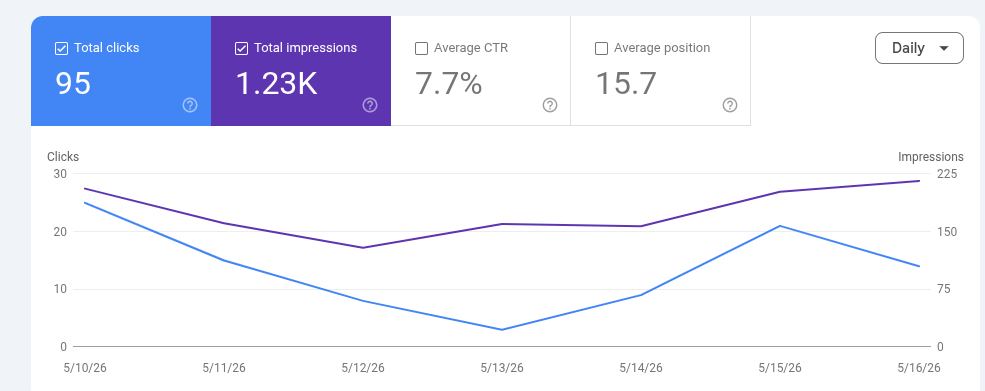
- Google Search Console: Monitor impressions, clicks, CTR, and average position.
- SEO Dashboards: Use tools like Data
Grow organic traffic on auto-pilot
BlogHunter researches keywords, writes SEO posts, and publishes to your site automatically. No writers. No CMS. No manual work.
Publish Now