Introduction
In the fast-paced digital landscape of 2026, corporate blogging has become an essential tool for businesses looking to establish their online presence, engage with their target audience, and drive growth. A well-crafted blog can help you showcase your expertise, provide value to your customers, and ultimately, boost your brand's visibility and credibility. In this comprehensive guide, we'll walk you through the step-by-step process of creating a successful corporate blog in 2026, from planning and writing to optimization and promotion.
Step 1: Define Your Blog's Purpose and Goals
Before diving into the world of corporate blogging, it's crucial to establish a clear purpose and set of goals for your blog. Ask yourself:
- What do we want to achieve with our blog?
- Who is our target audience?
- How will our blog support our overall business objectives?
By defining your blog's purpose and goals, you'll be able to create content that resonates with your target audience and aligns with your company's mission.
Step 2: Identify Your Target Audience
Understanding your target audience is key to creating content that engages and converts. Conduct market research to identify your ideal reader's demographics, interests, pain points, and online behavior. Use this information to create buyer personas, which will help you tailor your content to their specific needs and preferences.
Step 3: Develop a Content Strategy
With a clear purpose and target audience in mind, it's time to develop a content strategy that outlines the topics, formats, and frequency of your blog posts. Consider the following:
- Pillar content: Create comprehensive, evergreen posts that cover the core topics related to your industry or niche.
- Content mix: Incorporate a variety of formats, such as how-to guides, listicles, case studies, and thought leadership pieces, to keep your blog engaging and diverse.
- Editorial calendar: Plan your content in advance to ensure consistent publication and alignment with key events or product launches.
Step 4: Optimize Your Blog for SEO
To ensure your blog reaches its full potential, it's essential to optimize your content for search engines. Follow these SEO best practices:
- Keyword research: Identify relevant keywords and phrases that your target audience is searching for, and naturally incorporate them into your content.
- On-page optimization: Use descriptive titles, meta descriptions, header tags, and alt text to help search engines understand and index your content.
- Internal linking: Link to other relevant pages on your website to improve user experience and help search engines crawl your site.
By optimizing your blog for SEO, you'll increase your visibility in search results and attract more organic traffic to your site.
Step 5: Craft Engaging, High-Quality Content
The heart of any successful corporate blog is engaging, high-quality content that provides value to your target audience. Follow these tips to create content that stands out:
- Write compelling headlines: Use strong, action-oriented language to grab your readers' attention and entice them to click through to your post.
- Use a clear structure: Break your content into easily digestible sections with descriptive subheadings, bullet points, and images to improve readability and user experience.
- Provide actionable insights: Offer practical tips, expert advice, and real-world examples that your readers can apply to their own lives or businesses.
Remember, the key to crafting engaging content is to put yourself in your readers' shoes and create posts that address their needs, interests, and pain points.
Step 6: Promote Your Blog
Once you've created high-quality content, it's time to get it in front of your target audience. Use these strategies to promote your blog and attract more readers:
- Social media: Share your blog posts on your company's social media channels, and encourage your employees to do the same.
- Email marketing: Include links to your latest blog posts in your email newsletters, and consider creating a dedicated blog newsletter for your most engaged subscribers.
- Influencer outreach: Collaborate with industry influencers and thought leaders to tap into their networks and expand your blog's reach.
Step 7: Analyze and Iterate
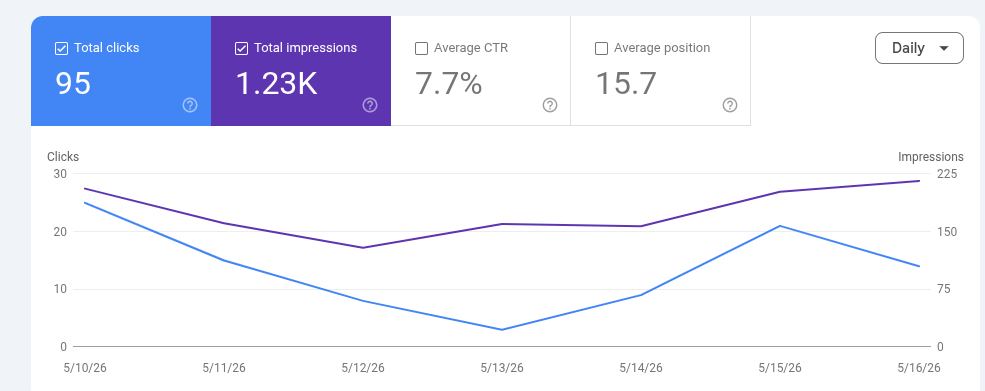
To ensure your corporate blog continues to grow and evolve, it's essential to regularly analyze your performance and make data-driven decisions. Use tools like Google Analytics to track metrics such as traffic, engagement, and conversions, and use this information to identify areas for improvement and refine your content strategy over time.
Conclusion
By following this step-by-step guide to corporate blogging in 2026, you'll be well on your way to creating a successful blog that engages your target audience, showcases your expertise, and drives growth for your business. Remember, the key to success is to stay focused on your goals, create high-quality content that provides value to your readers, and continuously analyze and iterate your strategy based on data and insights.
To streamline your corporate blogging efforts and save time, consider using a tool like BlogHunter. With its powerful AI-driven content creation and optimization features, BlogHunter can help you craft engaging, SEO-optimized blog posts in a fraction of the time it would take to do it manually. Try BlogHunter today and experience the future of corporate blogging!
Grow organic traffic on auto-pilot
BlogHunter researches keywords, writes SEO posts, and publishes to your site automatically. No writers. No CMS. No manual work.
Publish Now