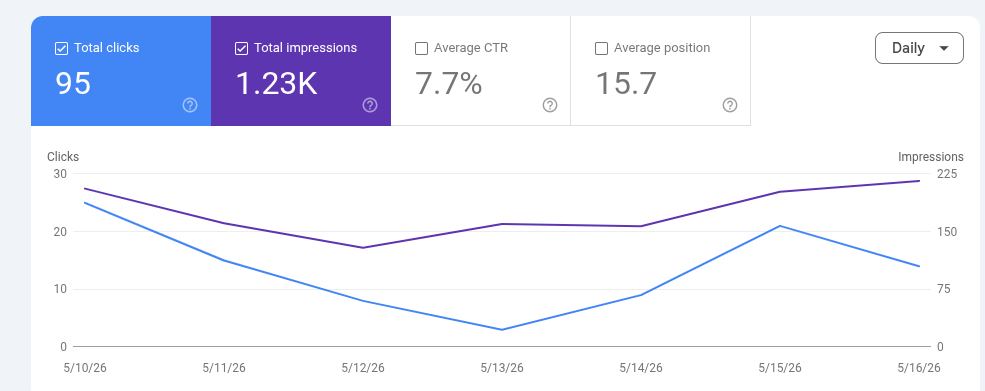
Welcome to the ultimate guide to Google Analytics blogging for beginners in 2026. As a blogger or content creator, understanding how to use Google Analytics effectively can significantly boost your blog's performance. This tutorial will walk you through the essentials of setting up, navigating, and leveraging Google Analytics to make data-driven decisions for your blog.
Understanding Google Analytics for Blogging
Before diving into the specifics, let's understand what Google Analytics is and why it's crucial for bloggers. Google Analytics is a powerful web analytics service that tracks and reports website traffic. For bloggers, it provides invaluable insights into reader behavior, content performance, and overall blog health.
The Importance of Google Analytics for Bloggers
In 2026, the digital landscape is more competitive than ever. To stand out, bloggers need to understand their audience better and create content that resonates. Google Analytics helps you:
- Track visitor behavior and identify popular content.
- Analyze traffic sources to optimize marketing efforts.
- Measure the effectiveness of your SEO strategies.
- Understand demographic data to tailor content to your audience.
By leveraging these insights, you can make informed decisions to improve your blog's visibility and engagement.
Setting Up Google Analytics for Your Blog
Getting started with Google Analytics is straightforward. Here’s a step-by-step guide to setting it up for your blog:
Step 1: Create a Google Analytics Account
- Go to the Google Analytics website and sign in with your Google account.
- Click on "Start measuring" to create a new account.
- Enter your account name, website name, website URL, and other required details.
- Click "Create stream" to generate your tracking code.
Step 2: Install the Tracking Code
Once you have your tracking code, you need to install it on your blog. The method varies depending on your blogging platform:
- WordPress: Use a plugin like Site Kit by Google to easily integrate Google Analytics.
- Blogger: Go to your Blogger dashboard, navigate to "Settings" > "Other", and paste the tracking code in the "Google Analytics Web Property ID" field.
- Other Platforms: Manually add the tracking code to the header section of your blog’s HTML.
Navigating Google Analytics Dashboard
Now that you have Google Analytics set up, let's explore the dashboard. The dashboard is divided into several sections, each providing different types of data.
Overview Section
The Overview section gives you a snapshot of your blog's performance. Key metrics include:
- Users: The number of unique visitors to your blog.
- Sessions: The number of times users interacted with your blog.
- Pageviews: The total number of pages viewed.
- Bounce Rate: The percentage of visitors who leave after viewing only one page.
- Session Duration: The average time users spend on your blog.
Audience Section
The Audience section provides detailed demographic data about your readers. You can learn about:
- Age and Gender: Demographic information to tailor content.
- Geographic Location: Where your readers are from.
- Interests: Categories of interest that can guide content creation.
Acquisition Section
The Acquisition section helps you understand where your traffic is coming from. Key sources include:
- Organic Search: Traffic from search engines.
- Direct Traffic: Visitors who type your URL directly.
- Referral Traffic: Visitors from other websites.
- Social Media Traffic: Visitors from social media platforms.
Analyzing Blog Performance with Google Analytics
One of the most powerful features of Google Analytics is its ability to analyze blog performance. Here’s how you can use it to gain actionable insights:
Tracking Content Performance
To understand which blog posts are performing well, navigate to Behavior > Site Content > All Pages. This report shows:
- The number of pageviews for each post.
- The average time spent on each page.
- The bounce rate for each post.
Use this data to identify your most popular content and replicate its success. For underperforming posts, consider updating or promoting them to improve engagement.
Understanding Traffic Sources
Knowing where your traffic comes from is crucial for optimizing your marketing efforts. In the Acquisition section, you can see:
Once drafts become the bottleneck, a bulk publishing workflow that writes, hosts, and publishes in one place can remove the manual steps without changing your strategy.
- The percentage of traffic from each source.
- The behavior of visitors from different sources.
For example, if you notice a high bounce rate from social media, you might need to optimize your social media strategies or content.
Monitoring User Behavior
The Behavior Flow report in Google Analytics shows how users navigate your blog. This can help you:
- Identify popular entry and exit points.
- Understand the user journey and optimize it.
- Improve internal linking to keep users engaged.
Leveraging Google Analytics for SEO in 2026
SEO is a critical aspect of blogging in 2026. Google Analytics can help you optimize your blog for search engines by providing insights into:
Keyword Performance
While Google Analytics does not directly show keyword data, you can use it in conjunction with Google Search Console. Link your Google Analytics account to Google Search Console to see:
- The keywords driving traffic to your blog.
- The performance of these keywords in terms of clicks and impressions.
Use this data to identify high-performing keywords and optimize your content accordingly.
Tracking Organic Traffic
Organic traffic is a key metric for SEO success. In the Acquisition > All Traffic > Channels report, you can see:
- The amount of traffic coming from organic search.
- The behavior of organic search visitors.
Monitoring this data helps you understand the effectiveness of your SEO strategies and make necessary adjustments.
Automating Google Analytics with BlogHunter
BlogHunter is a powerful tool that automates Google Analytics reporting, saving you time and effort. With BlogHunter, you can:
Generate Automated Reports
BlogHunter automatically generates detailed reports on your blog’s performance, including key metrics like user behavior, traffic sources, and content performance. These reports are sent directly to your email, ensuring you stay informed without manual effort.
Set Up Custom Alerts
With BlogHunter, you can set up custom alerts for specific metrics or events. For example, you can receive an alert if your bounce rate exceeds a certain threshold or if a particular blog post receives a high number of pageviews. This proactive approach helps you address issues quickly and capitalize on opportunities.
Integrate with Other Tools
BlogHunter seamlessly integrates with other marketing tools, providing a comprehensive view of your blog’s performance. Whether you use social media management platforms, email marketing tools, or SEO software, BlogHunter ensures all your data is in one place.
Conclusion
Mastering Google Analytics blogging is essential for any blogger in 2026. By understanding how to set up, navigate, and leverage Google Analytics, you can gain valuable insights into your blog’s performance and make data-driven decisions. From tracking content performance to optimizing SEO strategies, Google Analytics provides the tools you need to succeed.
Don’t let the complexity of Google Analytics hold you back. With tools like BlogHunter, you can automate your reporting and focus on what you do best—creating exceptional content. Start using Google Analytics today and watch your blog thrive in 2026.
Try BlogHunter today and take your blogging to the next level!
Grow organic traffic on auto-pilot
BlogHunter researches keywords, writes SEO posts, and publishes to your site automatically. No writers. No CMS. No manual work.
Publish Now