Master Automated Blog Posting in 2026: Tips and Tools
In the fast-paced world of digital marketing, maintaining a consistent content publishing schedule is crucial for building and sustaining an online presence. Automated blog posting has emerged as a game-changer, allowing bloggers, content creators, and marketers to streamline their workflow and focus on creating high-quality articles. This comprehensive guide will walk you through the process of mastering automated blog posting in 2026, providing you with practical tips, tools, and strategies to enhance your content publishing efficiency and drive more traffic to your blog.
Understanding Automated Blog Posting
Automated blog posting involves using software and tools to schedule, publish, and even write your blog posts. This approach helps you maintain a regular posting schedule without the need for manual intervention, ensuring that your audience receives fresh content consistently. In 2026, automated blog posting has become more sophisticated, with advanced AI and machine learning algorithms capable of generating high-quality content and optimizing posts for search engines.
The Benefits of Automated Blog Posting
Mastering automated blog posting offers numerous benefits, including:
- Time Efficiency: Automating the posting process frees up your time to focus on other aspects of your blog, such as creating engaging content and promoting your articles.
- Consistency: A regular posting schedule helps build trust with your audience and improves your search engine rankings.
- Scalability: Automated tools allow you to scale your content publishing efforts without increasing your workload.
- SEO Optimization: Many automated posting tools come with built-in SEO features that help optimize your posts for search engines.
Setting Up Automated Blog Posting
To get started with automated blog posting, follow these steps:
Choose the Right Tools
Selecting the right tools is the first step in mastering automated blog posting. In 2026, there are numerous options available, each with its unique features and benefits. Some popular tools include:
- BlogHunter: A comprehensive tool that simplifies the process of scheduling and publishing blog posts. BlogHunter offers advanced analytics, SEO optimization, and integration with popular content management systems.
- WordPress Plugins: Plugins like WP Scheduler and Scheduled Posts can automate your posting schedule directly from your WordPress dashboard.
- Buffer and Hootsuite: These social media management tools also offer blog posting automation features, allowing you to schedule posts across multiple platforms.
Once you have chosen the right tool, the next step is to set up your posting schedule. Determine how often you want to publish new articles and choose the best times to maximize engagement.
BlogHunter stands out with its intuitive interface and powerful features, making it an excellent choice for both beginners and experienced bloggers. It allows you to set up a posting schedule with just a few clicks, ensuring that your articles are published at the optimal times for your audience.
Plan Your Content Strategy
Before automating your blog posts, it's essential to have a well-defined content strategy. Identify your target audience, their interests, and the types of articles they engage with the most. Create a content calendar that outlines the topics, keywords, and publishing dates for your upcoming posts.
Use tools like Google Trends and SEMrush to identify trending topics and keywords in your niche. This will help you create relevant and engaging content that resonates with your audience and improves your search engine rankings.
Write and Optimize Your Posts
While automated tools can handle the scheduling and publishing of your posts, it's crucial to ensure that your content is of high quality. Write engaging and informative articles that provide value to your readers. Use SEO best practices to optimize your posts for search engines, including keyword research, meta descriptions, and internal linking.
In 2026, AI-driven content generation tools have become more advanced, allowing you to create high-quality articles quickly. Tools like Copy.ai and Jasper can generate blog posts based on your input, saving you time and effort. However, it's essential to review and edit the generated content to ensure it aligns with your brand voice and provides value to your readers.
Schedule Your Posts
Once your content is ready, use your chosen automated posting tool to schedule your posts. Set the publishing dates and times based on your content calendar and audience engagement data. Most tools allow you to schedule posts in bulk, saving you time and ensuring a consistent publishing schedule.
BlogHunter makes it easy to schedule posts in bulk, allowing you to plan your content publishing strategy for weeks or even months in advance. This ensures that your audience receives fresh content consistently, improving your engagement and search engine rankings.
Remember to include a mix of evergreen content and trending topics in your posting schedule. Evergreen content remains relevant over time, while trending topics help you capitalize on current events and increase your visibility.
Advanced Strategies for Automated Blog Posting
To take your automated blog posting to the next level, consider implementing these advanced strategies:
Use AI for Content Generation
AI-driven content generation tools can help you create high-quality blog posts quickly and efficiently. Tools like Copy.ai and Jasper can generate articles based on your input, saving you time and effort. However, it's essential to review and edit the generated content to ensure it aligns with your brand voice and provides value to your readers.
In 2026, AI tools have become more sophisticated, capable of generating highly engaging and informative content. Use these tools to supplement your content creation efforts and maintain a consistent publishing schedule.
Leverage Social Media Automation
In addition to automating your blog posting, consider using social media automation tools to promote your articles. Tools like Buffer and Hootsuite allow you to schedule social media posts in advance, ensuring that your content reaches a wider audience.
Create a social media content calendar that outlines the platforms, messages, and posting times for your articles. Use engaging visuals and captions to increase engagement and drive traffic to your blog.
Monitor and Analyze Performance
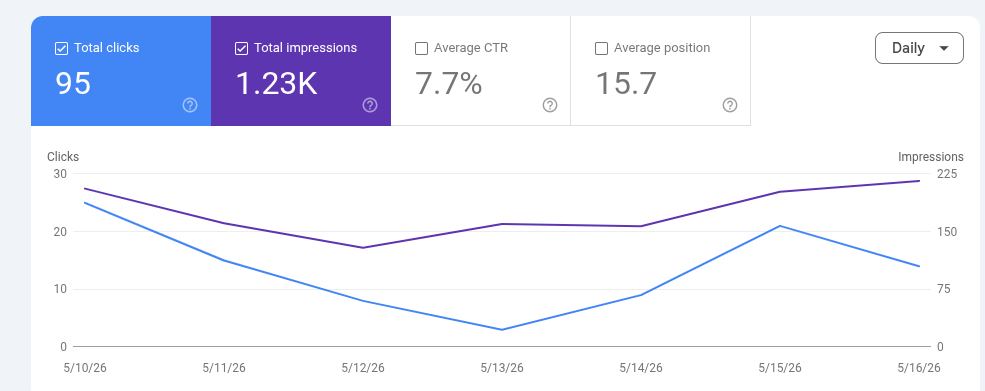
Regularly monitor and analyze the performance of your automated blog posts to identify areas for improvement. Use analytics tools like Google Analytics and BlogHunter to track key metrics such as traffic, engagement, and conversions.
Identify which types of articles perform best and adjust your content strategy accordingly. Use A/B testing to experiment with different headlines, meta descriptions, and publishing times to optimize your posts for maximum engagement.
BlogHunter offers advanced analytics features that provide detailed insights into your post performance. Use this data to refine your content strategy and improve your publishing efficiency.
Common Challenges and Solutions
While automated blog posting offers numerous benefits, it also presents some challenges. Here are some common issues and solutions to help you overcome them:
Ensuring Content Quality
One of the primary concerns with automated blog posting is maintaining content quality. To ensure that your automated posts are of high quality, use AI-driven content generation tools to supplement your writing efforts. Review and edit the generated content to align with your brand voice and provide value to your readers.
Additionally, consider using plagiarism-checking tools to ensure that your content is original and unique.
Avoiding Over-Automation
While automation can streamline your posting process, it's essential to avoid over-automation. Maintain a balance between automated and manually curated content to ensure that your blog remains engaging and relevant.
Regularly review your automated posts and make adjustments as needed. Engage with your audience by responding to comments and feedback to build a community around your blog.
Managing Technical Issues
Technical issues can arise when using automated posting tools, such as scheduling errors or publishing delays. To minimize these issues, choose reliable and reputable tools like BlogHunter. Regularly update your tools and plugins to ensure compatibility and security.
Monitor your blog for any technical issues and address them promptly to maintain a seamless publishing experience.
Ensuring SEO Optimization
SEO optimization is crucial for improving your blog's visibility and driving organic traffic. Use automated tools that offer built-in SEO features to optimize your posts for search engines. Conduct keyword research and include relevant keywords in your headlines, meta descriptions, and content.
Regularly review your SEO performance and make adjustments as needed to improve your search engine rankings.
Conclusion
Mastering automated blog posting in 2026 can significantly enhance your content publishing efficiency and drive more traffic to your blog. By choosing the right tools, planning your content strategy, and implementing advanced strategies, you can streamline your posting process and focus on creating high-quality articles.
Tools like BlogHunter offer comprehensive features that simplify the automation process, allowing you to schedule, publish, and optimize your posts with ease. By leveraging these tools and strategies, you can build a strong online presence and engage your audience consistently.
Ready to take your blog posting to the next level? Try BlogHunter today and experience the benefits of automated blog posting for yourself. Start your free trial now and transform your content publishing strategy in 2026!
Grow organic traffic on auto-pilot
BlogHunter researches keywords, writes SEO posts, and publishes to your site automatically. No writers. No CMS. No manual work.
Publish Now