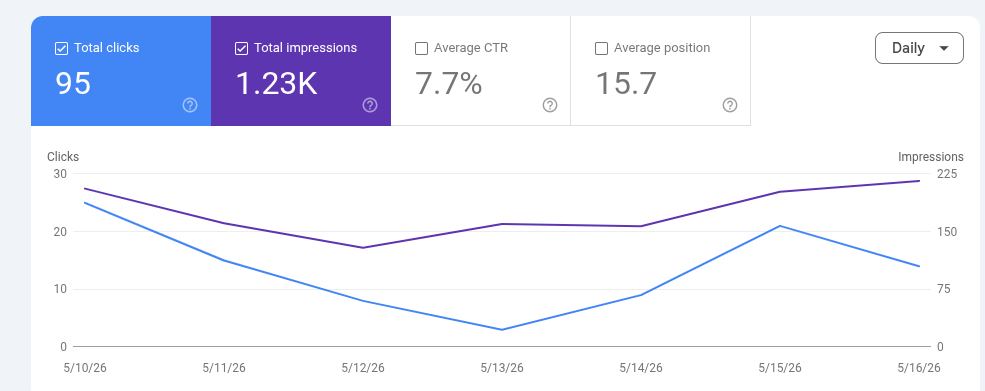
Understanding Blog ROI Measurement in 2026
In the rapidly evolving digital landscape of 2026, blogs remain a cornerstone of effective content strategies. However, simply publishing articles is not enough; measuring the return on investment (ROI) of your blog is crucial for sustaining and growing your online presence. This comprehensive guide will walk you through the essentials of blog ROI measurement, providing actionable insights and practical tips to maximize your content's impact.
The Importance of Blog ROI Measurement
Blog ROI measurement is essential for several reasons:
- Performance Assessment: It helps you understand how well your blog is performing in terms of engagement, traffic, and conversions.
- Resource Allocation: By measuring ROI, you can allocate resources more effectively, focusing on what works and discarding what doesn't.
- Strategic Planning: It provides valuable data for strategic planning, helping you make informed decisions about future content.
- Competitive Advantage: Understanding your blog's ROI can give you a competitive edge, allowing you to refine your content strategy and outperform your competitors.
Key Metrics for Blog ROI Measurement
To effectively measure your blog's ROI, you need to track several key metrics. Here are the most important ones:
1. Traffic Metrics
Traffic metrics provide insights into how many people are visiting your blog and how they are engaging with your content. Key traffic metrics include:
- Page Views: The number of times a page on your blog is viewed.
- Unique Visitors: The number of individual visitors to your blog.
- Bounce Rate: The percentage of visitors who leave your blog after viewing only one page.
- Time on Page: The average amount of time visitors spend on a particular page.
Tools like Google Analytics can help you track these metrics in real-time, providing detailed reports and insights.
2. Engagement Metrics
Engagement metrics measure how visitors interact with your blog posts. These metrics include:
- Comments: The number of comments left on your blog posts.
- Social Shares: The number of times your blog posts are shared on social media platforms.
- Likes and Reactions: The number of likes, thumbs up, and other reactions your blog posts receive.
- Sharing via email: The number of times your blog posts are shared via email.
High engagement metrics indicate that your content is resonating with your audience, which is a positive sign for your blog's ROI.
3. Conversion Metrics
Conversion metrics track how effectively your blog is driving desired actions, such as sign-ups, purchases, or downloads. Key conversion metrics include:
- Conversion Rate: The percentage of visitors who take a desired action after reading your blog post.
- Lead Generation: The number of leads generated from your blog posts.
- Sales: The number of sales attributed to your blog posts.
- Email Subscriptions: The number of new email subscribers who signed up through your blog.
Conversion metrics are crucial for understanding the direct impact of your blog on your business goals.
Setting Up for Blog ROI Measurement
To effectively measure your blog's ROI, you need to set up the right tools and processes. Here are some steps to get started:
1. Define Your Goals
Before you start measuring ROI, it's essential to define your goals. What do you want to achieve with your blog? Common goals include increasing traffic, generating leads, or driving sales. Clearly defining your goals will help you determine which metrics to focus on.
Example: If your goal is to generate leads, you might focus on metrics like conversion rate and lead generation.
2. Choose the Right Tools
Selecting the right tools is crucial for accurate and efficient blog ROI measurement. Some popular tools in 2026 include:
- Google Analytics: Provides detailed traffic and engagement metrics.
- SEMrush: Offers SEO and content performance insights.
- Hotjar: Provides heatmaps and user behavior analytics.
- BlogHunter: Automates content creation, publishing, and ROI tracking.
Using a combination of these tools can give you a comprehensive view of your blog's performance.
3. Set Up Tracking
Ensure that your blog is properly set up for tracking. This includes:
- Installing Google Analytics and other tracking codes on your blog.
- Setting up goals and conversions in Google Analytics.
- Configuring UTM parameters for tracking specific campaigns.
- Using BlogHunter to automate and streamline the publishing process and track ROI seamlessly.
Analyzing Blog ROI Data
Once you have the data, the next step is to analyze it. Here are some tips for effective analysis:
1. Identify Trends
Look for trends in your data over time. This can help you understand what's working and what's not. For example, you might notice that certain types of posts perform better at specific times of the year.
2. Compare Metrics
Compare different metrics to get a holistic view of your blog's performance. For example, you can compare traffic metrics with engagement and conversion metrics to see if there's a correlation.
3. Benchmark Against Industry Standards
Benchmark your blog's performance against industry standards. Tools like SEMrush and SimilarWeb can provide industry benchmarks, helping you understand where you stand.
4. Use BlogHunter for Automated Insights
BlogHunter offers automated insights and recommendations based on your blog's performance data. This can save you time and provide actionable suggestions for improving your blog's ROI.
Strategies for Improving Blog ROI
Based on your analysis, you can implement strategies to improve your blog's ROI. Here are some actionable tips:
1. Optimize Content for SEO
Search engine optimization (SEO) is crucial for driving organic traffic to your blog. Ensure that your content is optimized for relevant keywords and follows best SEO practices. Use tools like SEMrush and Ahrefs to identify high-potential keywords and optimize your posts accordingly.
2. Focus on Evergreen Content
Evergreen content remains relevant over time and can continue to drive traffic and engagement long after it's published. Focus on creating evergreen content that provides lasting value to your audience.
3. Leverage Social Media
Promote your blog posts on social media to increase their reach and engagement. Use platforms like Twitter, LinkedIn, and Facebook to share your content and engage with your audience. Tools like Hootsuite and Buffer can help you schedule and manage your social media posts.
4. Use BlogHunter for Content Creation and Publishing
BlogHunter automates the content creation and publishing process, ensuring that you consistently produce high-quality blog posts. This can significantly improve your blog's ROI by maintaining a steady flow of valuable content.
5. Engage with Your Audience
Engage with your audience through comments, social media, and email. Respond to comments on your blog posts, engage with your audience on social media, and send personalized emails to your subscribers. Building a strong relationship with your audience can increase engagement and conversions.
6. Analyze and Adjust
Regularly analyze your blog's performance data and make adjustments as needed. Use the insights gained from your analysis to refine your content strategy and improve your blog's ROI over time.
Case Studies: Successful Blog ROI Measurement
Let's look at a couple of case studies to see how successful blog ROI measurement has been implemented in 2026:
Case Study 1: TechGuru Blog
TechGuru is a tech blog that focuses on providing in-depth reviews and tutorials. By setting up Google Analytics and using BlogHunter for automated content creation, they were able to track their blog's performance meticulously. They identified that their evergreen content on tech tutorials drove the most traffic and engagement. By focusing more on this type of content, they saw a 30% increase in traffic and a 20% increase in conversions within six months.
Case Study 2: GreenLiving Blog
GreenLiving is a blog dedicated to sustainable living. They used SEMrush to identify high-potential keywords and optimized their content accordingly. By leveraging social media and engaging with their audience through comments and emails, they saw a significant increase in engagement metrics. Their conversion rate improved by 25%, leading to a higher ROI on their blog content.
Conclusion: Maximizing Your Blog's ROI in 2026
Measuring and maximizing your blog's ROI is crucial for sustaining and growing your online presence in 2026. By tracking key metrics, setting up the right tools, and implementing effective strategies, you can significantly improve your blog's performance. Whether you're a blogger, content creator, or marketer, understanding blog ROI measurement is essential for achieving your content goals.
Start by defining your goals and choosing the right tools. Use Google Analytics, SEMrush, and BlogHunter to track and analyze your blog's performance. Implement strategies like SEO optimization, evergreen content, and audience engagement to improve your blog's ROI. Regularly analyze your data and make adjustments as needed to ensure continuous improvement.
Ready to take your blog's ROI to the next level? Try BlogHunter today and see how automated content creation and publishing can transform your blog's performance. Sign up now and start maximizing your blog's ROI in 2026!
Grow organic traffic on auto-pilot
BlogHunter researches keywords, writes SEO posts, and publishes to your site automatically. No writers. No CMS. No manual work.
Publish Now