Introduction to SEO Writing in 2026
Welcome to the ultimate SEO writing tutorial for beginners in 2026. If you're new to search engine optimization, you're in the right place. SEO writing has evolved significantly over the years, and understanding the fundamentals is crucial for creating content that ranks well on Google and other search engines.
In this comprehensive guide, we'll walk you through everything you need to know about SEO writing, from basic concepts to advanced techniques. Whether you're a blogger, content creator, or business owner, mastering SEO writing will help you attract organic traffic, improve your search engine rankings, and grow your online presence.
Before we dive in, it's important to understand that SEO writing isn't just about stuffing keywords into your content. It's about creating valuable, user-focused content that satisfies search intent while following best practices that search engines recognize and reward.
Understanding SEO Writing Fundamentals
What is SEO Writing?
SEO writing is the practice of creating content that's optimized for search engines while remaining engaging and valuable for human readers. It involves strategically using keywords, structuring content properly, and following SEO best practices to improve your chances of ranking higher in search engine results pages (SERPs).
Unlike traditional writing, SEO writing requires you to think about how search engines crawl and index content. You need to understand what users are searching for, how they phrase their queries, and what type of content will best satisfy their needs.
The Evolution of SEO Writing in 2026
SEO writing has come a long way since the early days of keyword stuffing and exact-match domains. In 2026, search engines are smarter than ever, using advanced AI and machine learning to understand context, user intent, and content quality.
Today's SEO writing focuses on creating comprehensive, authoritative content that provides real value to readers. Google's algorithms now prioritize content that demonstrates expertise, authoritativeness, and trustworthiness (E-A-T), making quality more important than ever.
Keyword Research: The Foundation of SEO Writing
Why Keyword Research Matters
Keyword research is the cornerstone of effective SEO writing. It helps you understand what your target audience is searching for and how to create content that addresses their needs. Without proper keyword research, you're essentially writing in the dark, hoping your content will rank for something.
In 2026, keyword research involves more than just finding high-volume search terms. You need to understand search intent, analyze competition, and identify opportunities where you can create content that stands out from existing material.
Tools for Keyword Research
Several tools can help you with keyword research in 2026. Google Keyword Planner remains a solid starting point, offering insights into search volume and competition. However, more advanced tools like SEMrush, Ahrefs, and Moz provide deeper analysis of keyword difficulty, click-through rates, and related terms.
For beginners, free tools like Ubersuggest and Answer the Public can be excellent starting points. These tools help you discover long-tail keywords and understand the questions your audience is asking.
Understanding Search Intent
Search intent refers to the reason behind a user's search query. In 2026, understanding search intent is more critical than ever. There are four main types of search intent:
- Informational: Users seeking information or answers to questions
- Navigational: Users looking for a specific website or page
- Transactional: Users ready to make a purchase or complete an action
- Commercial: Users researching products or services before buying
Aligning your content with the correct search intent is crucial for SEO success. If someone is searching for "how to tie a tie," they want a tutorial, not a product page selling ties.
Content Structure and Organization
Creating an Effective Content Outline
Before you start writing, create a detailed content outline. This helps you organize your thoughts, ensure comprehensive coverage of the topic, and create a logical flow that keeps readers engaged.
A good outline should include your main headings (H2 tags), subheadings (H3 tags), and key points you want to cover. This structure not only helps with readability but also helps search engines understand your content's hierarchy and main topics.
Using Headings and Subheadings Effectively
Headings and subheadings serve multiple purposes in SEO writing. They break up your content into digestible sections, make it easier for readers to scan, and help search engines understand your content's structure.
Use H1 for your main title (only one per page), H2 for main sections, and H3 for subsections. Include your target keywords in headings where they fit naturally, but avoid keyword stuffing.
Writing Compelling Introductions
Your introduction is crucial for both readers and search engines. It should hook the reader, clearly state what the content will cover, and include your primary keyword early on.
In 2026, introductions should be concise yet informative. Aim for 100-150 words that immediately tell readers what value they'll get from your content and why they should keep reading.
Writing SEO-Friendly Content
Keyword Placement and Density
While keyword density isn't as important as it once was, strategic keyword placement still matters. Include your primary keyword in your title, first paragraph, at least one subheading, and throughout the content where it fits naturally.
For secondary keywords and LSI (Latent Semantic Indexing) terms, sprinkle them throughout your content to help search engines understand your topic's context. In 2026, natural language and semantic relevance are more important than exact keyword matches.
Writing for Readability
Readability is a crucial ranking factor in 2026. Search engines prioritize content that's easy to read and understand. Use short paragraphs (2-3 sentences), simple language, and transition words to improve flow.
Tools like Hemingway Editor and Grammarly can help you assess and improve your content's readability. Aim for a reading level that matches your target audience's education level and comprehension abilities.
Creating Engaging Content
Engaging content keeps readers on your page longer, which signals to search engines that your content is valuable. Use storytelling techniques, ask questions, include examples, and write in a conversational tone when appropriate.
Incorporate multimedia elements like images, videos, infographics, and charts to break up text and provide visual interest. These elements also give you opportunities to optimize additional content for search engines.
On-Page SEO Optimization
Meta Titles and Descriptions
Your meta title and description are often the first things users see in search results. Create compelling meta titles (50-60 characters) that include your primary keyword and entice clicks. Meta descriptions (150-160 characters) should summarize your content and include a call-to-action.
In 2026, Google sometimes rewrites meta descriptions, but having well-crafted ones still improves your click-through rates when they're used as written.
URL Structure
Clean, descriptive URLs help both users and search engines understand what your page is about. Include your primary keyword in the URL, keep it short, and use hyphens to separate words.
For example: www.yoursite.com/seo-writing-tips-beginners is better than www.yoursite.com/p=12345 or www.yoursite.com/12345
Internal and External Linking
Internal linking helps distribute page authority throughout your site and keeps users engaged longer. Link to relevant content within your site using descriptive anchor text that includes related keywords.
External linking to authoritative sources adds credibility to your content. Link to reputable websites, studies, and statistics that support your points. This shows search engines that your content is well-researched and trustworthy.
Technical SEO Considerations
Mobile Optimization
With mobile-first indexing in 2026, ensuring your content is mobile-friendly is non-negotiable. Use responsive design, ensure text is readable without zooming, and make sure buttons and links are easily clickable on mobile devices.
Test your content on various devices and screen sizes to ensure a consistent, user-friendly experience across all platforms.
Page Speed and Performance
Page speed is a confirmed ranking factor. Optimize your images, minimize HTTP requests, enable browser caching, and consider using a content delivery network (CDN) to improve loading times.
Tools like Google PageSpeed Insights and GTmetrix can help you identify performance issues and provide specific recommendations for improvement.
Schema Markup
Schema markup helps search engines understand your content's context and can lead to rich snippets in search results. In 2026, using schema for articles, FAQs, how-to guides, and reviews can improve your visibility and click-through rates.
While schema markup requires some technical knowledge, many SEO plugins and tools can help you implement it without coding expertise.
Content Promotion and Distribution
Social Media Sharing
While social signals aren't direct ranking factors, promoting your content on social media can drive traffic, increase engagement, and lead to natural backlinks. Share your content on relevant platforms where your target audience is active.
Create platform-specific content snippets, infographics, or short videos to promote your main content pieces across different social channels.
Email Marketing
Building an email list allows you to promote your content directly to interested readers. Include your SEO-optimized content in newsletters, and encourage subscribers to share it with their networks.
Segment your email list based on interests to ensure you're sending relevant content to the right audience segments.
Measuring and Improving Your SEO Writing
Analytics and Tracking
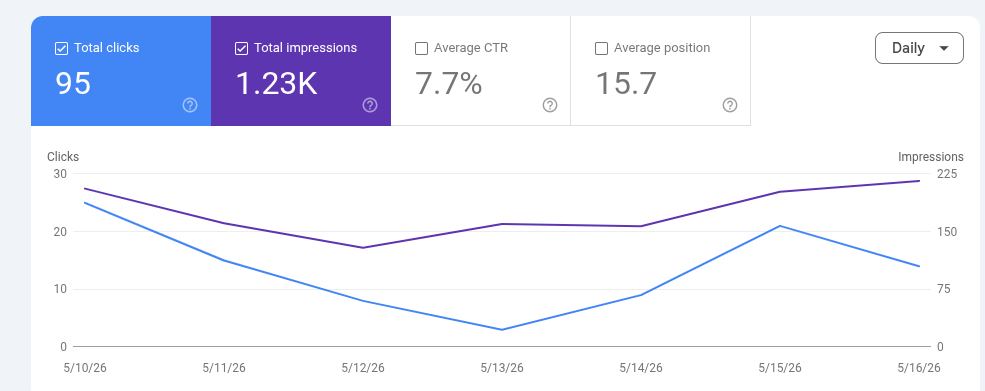
Use tools like Google Analytics and Google Search Console to track your content's performance. Monitor metrics like organic traffic, bounce rate, time on page, and conversion rates to understand what's working and what needs improvement.
Set up goal tracking to measure specific actions you want users to take, such as signing up for a newsletter or making a purchase.
Continuous Improvement
SEO writing is an ongoing process. Regularly update your content to keep it fresh and relevant. Add new information, update statistics, and improve sections that aren't performing well.
Monitor your competitors and industry trends to identify opportunities for new content or improvements to existing pieces.
Common SEO Writing Mistakes to Avoid
Keyword Stuffing
Stuffing your content with keywords is a outdated practice that can harm your rankings. Focus on natural language and semantic relevance instead of exact keyword matches.
Ignoring User Intent
Creating content that doesn't match what users are actually searching for is a common mistake. Always align your content with the search intent behind your target keywords.
Neglecting Quality
Poorly written, thin, or duplicate content won't rank well in 2026. Focus on creating comprehensive, valuable content that provides unique insights or perspectives.
Overlooking Technical SEO
Even the best-written content won't perform well if your site has technical issues. Ensure your site is mobile-friendly, fast-loading, and properly structured.
Advanced SEO Writing Techniques for 2026
Voice Search Optimization
With the rise of voice search, optimizing for conversational queries is increasingly important. Include question-based keywords and create content that answers specific questions directly.
Featured snippets are often sourced from content that directly answers questions in a concise, structured format.
AI and Content Creation
In 2026, AI tools can assist with content creation, but they shouldn't replace human creativity and expertise. Use AI for research, outlining, and generating ideas, but ensure your final content has a human touch and demonstrates real expertise.
Tools like BlogHunter can help automate much of the SEO writing process while maintaining quality and originality. BlogHunter uses advanced algorithms to research topics, suggest keywords, and even generate content outlines, saving you time while ensuring your content is optimized for search engines.
E-A-T Optimization
Demonstrating Expertise, Authoritativeness, and Trustworthiness (E-A-T) is crucial for ranking well, especially in YMYL (Your Money or Your Life) topics. Include author bios, cite credible sources, and showcase your expertise through comprehensive, well-researched content.
Conclusion: Your SEO Writing Journey
SEO writing in 2026 is both an art and a science. It requires understanding search engine algorithms, user behavior, and content marketing principles while maintaining creativity and providing genuine value to readers.
Remember that SEO is a long-term strategy. Don't expect overnight results, but consistently creating high-quality, optimized content will pay off over time. Start with the fundamentals we've covered in this tutorial, then continue learning and adapting as SEO practices evolve.
The key to success is balancing optimization for search engines with creating valuable content for your audience. When you focus on helping your readers while following SEO best practices, you'll naturally improve your search engine rankings and drive more organic traffic to your site.
Ready to take your SEO writing to the next level? Try BlogHunter today and discover how automation can help you create more content, faster, while maintaining the quality and optimization that search engines reward. With BlogHunter, you can focus on strategy and creativity while letting advanced algorithms handle the heavy lifting of research and optimization.
Grow organic traffic on auto-pilot
BlogHunter researches keywords, writes SEO posts, and publishes to your site automatically. No writers. No CMS. No manual work.
Publish Now