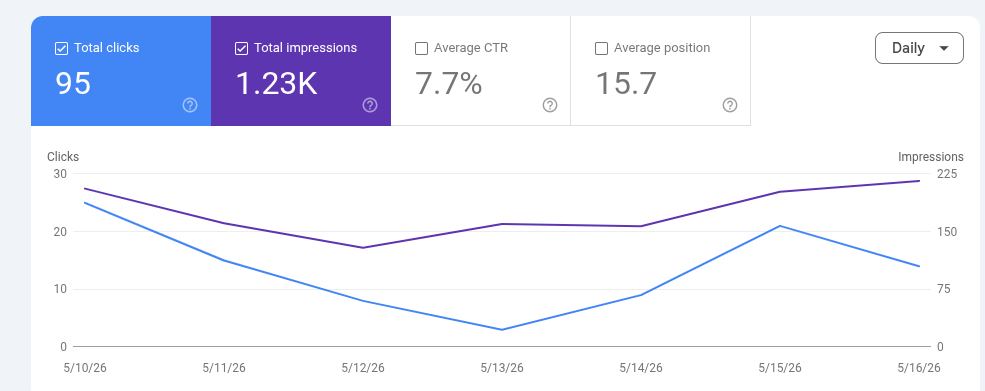
Introduction: Why Your Custom Domain Blog Matters in 2026
In 2026, establishing a strong online presence has never been more critical for bloggers, content creators, and businesses. With over 600 million blogs competing for attention online, having a custom domain blog isn't just a luxury—it's a necessity for building credibility, improving SEO rankings, and creating a professional brand identity.
A custom domain blog serves as your digital headquarters, giving you complete control over your content, branding, and audience relationships. Unlike free blogging platforms that limit your growth potential, a custom domain provides the foundation for long-term success in the competitive digital landscape.
This comprehensive checklist will guide you through every essential step of setting up and optimizing your custom domain blog in 2026, from initial domain selection to advanced content strategies that drive traffic and engagement.
1. Domain Selection and Registration
1.1 Choose the Right Domain Name
Your domain name is your digital identity, so choosing wisely is crucial. In 2026, the best domain names are:
- Short, memorable, and easy to spell
- Relevant to your niche or brand
- Free from hyphens and numbers when possible
- Available across major social media platforms
Consider using domain name generators to brainstorm ideas, and always check for trademark conflicts before making your final decision.
1.2 Select the Best Domain Extension
While .com remains the gold standard, 2026 has seen the rise of industry-specific extensions:
- .blog - Perfect for content-focused websites
- .tech - Ideal for technology blogs
- .store - Great for e-commerce integration
- .io - Popular among startups and tech companies
Choose an extension that aligns with your blog's purpose and target audience.
1.3 Secure Your Domain
Register your domain through a reputable registrar and enable privacy protection to keep your personal information secure. Consider registering multiple extensions and common misspellings to protect your brand.
2. Web Hosting Setup
2.1 Choose the Right Hosting Provider
Your hosting provider impacts your blog's performance, security, and scalability. In 2026, look for providers that offer:
- 99.9% uptime guarantee
- Fast loading speeds (under 2 seconds)
- Free SSL certificates
- Automatic backups
- 24/7 customer support
- Scalability options for growth
2.2 Select the Appropriate Hosting Plan
Choose a plan that matches your current needs while allowing room for growth:
- Shared hosting - Best for beginners with low traffic
- VPS hosting - Ideal for growing blogs with moderate traffic
- Dedicated hosting - Perfect for high-traffic blogs
- Cloud hosting - Offers excellent scalability and reliability
2.3 Configure DNS Settings
Point your domain to your hosting provider by updating DNS records. This typically involves changing nameservers or creating A records and CNAME records.
3. Content Management System (CMS) Installation
3.1 Choose Your CMS Platform
While WordPress powers over 40% of websites in 2026, consider these options:
- WordPress - Most flexible and widely supported
- Joomla - Good for complex websites
- Drupal - Excellent for enterprise-level sites
- Wix - User-friendly for beginners
- Squarespace - Great for visual blogs
3.2 Install Essential Plugins and Extensions
Enhance your CMS functionality with these must-have additions:
- SEO optimization plugins
- Security plugins
- Backup solutions
- Performance optimization tools
- Contact form plugins
- Social media integration
3.3 Configure Basic Settings
Set up your blog's basic configuration including:
- Permanent links structure
- Timezone and date format
- Comment settings
- Media upload limits
- User roles and permissions
4. Design and User Experience
4.1 Select a Responsive Theme
In 2026, mobile-first design is essential. Choose a theme that:
- Loads quickly on all devices
- Offers excellent mobile navigation
- Is compatible with major browsers
- Provides customization options
- Follows accessibility guidelines
4.2 Customize Your Blog's Appearance
Create a cohesive brand identity by customizing:
- Color scheme and typography
- Logo and favicon
- Header and footer design
- Navigation menu structure
- Sidebar widgets and content
4.3 Optimize for User Experience
Ensure your blog provides an excellent user experience by:
- Implementing clear navigation
- Adding search functionality
- Creating logical content categories
- Optimizing page load speeds
- Ensuring accessibility compliance
5. Security Implementation
5.1 Install SSL Certificate
HTTPS is mandatory in 2026. Install an SSL certificate to:
- Encrypt data transmission
- Improve SEO rankings
- Build visitor trust
- Meet browser security requirements
5.2 Implement Security Measures
Protect your blog from threats with:
- Web application firewall (WAF)
- Malware scanning and removal
- Brute force protection
- Regular security updates
- Backup solutions
5.3 Set Up User Authentication
Secure your admin area with:
- Strong password policies
- Two-factor authentication
- Limited login attempts
- IP whitelisting for admin access
6. SEO Foundation
6.1 Keyword Research and Strategy
Develop a comprehensive keyword strategy by:
Once drafts become the bottleneck, a bulk publishing workflow that writes, hosts, and publishes in one place can remove the manual steps without changing your strategy.
- Identifying primary and secondary keywords
- Analyzing search intent
- Researching competitor keywords
- Creating topic clusters
6.2 On-Page SEO Optimization
Optimize each page for search engines by:
- Writing compelling meta titles and descriptions
- Using proper heading hierarchy
- Optimizing images with alt text
- Creating internal linking structure
- Ensuring mobile-friendliness
6.3 Technical SEO Setup
Implement technical SEO best practices:
- Create XML sitemap
- Set up robots.txt file
- Implement schema markup
- Optimize site speed
- Ensure crawlability
7. Content Strategy Development
7.1 Define Your Content Pillars
Establish your blog's content foundation by identifying:
- Core topics and themes
- Target audience personas
- Content formats (articles, videos, infographics)
- Publishing frequency
- Content goals and objectives
7.2 Create an Editorial Calendar
Plan your content in advance with:
- Monthly content themes
- Publishing schedule
- Content promotion plan
- Seasonal content planning
- Content repurposing strategy
7.3 Develop Content Guidelines
Maintain consistency with:
- Writing style guide
- Image and media guidelines
- SEO best practices checklist
- Quality standards
- Editorial review process
8. Analytics and Tracking
8.1 Set Up Google Analytics
Track your blog's performance with:
- Google Analytics 4 configuration
- Goal tracking setup
- Event tracking implementation
- Custom dashboards
- Regular reporting schedule
8.2 Implement Search Console
Monitor search performance with:
- Google Search Console setup
- Sitemap submission
- Performance monitoring
- Indexing status checks
- Mobile usability reports
8.3 Add Additional Tracking Tools
Enhance your analytics with:
- Heat mapping tools
- Conversion tracking
- Social media analytics
- Email marketing metrics
- Competitor analysis tools
9. Email Marketing Integration
9.1 Choose an Email Service Provider
Select an ESP that offers:
- Easy integration with your blog
- Automation capabilities
- Segmentation options
- Analytics and reporting
- Deliverability optimization
9.2 Create Lead Magnets
Develop valuable incentives for subscribers:
- Free ebooks or guides
- Checklists and templates
- Exclusive content
- Webinar access
- Discount codes
9.3 Set Up Email Automation
Automate your email marketing with:
- Welcome series
- Nurture sequences
- Content delivery automation
- Engagement campaigns
- Re-engagement workflows
10. Social Media Integration
10.1 Connect Social Media Profiles
Integrate your social presence by:
- Adding social sharing buttons
- Displaying social feeds
- Creating social login options
- Implementing social proof
- Enabling social commenting
10.2 Develop Social Media Strategy
Create a cohesive social media plan:
- Platform selection based on audience
- Content calendar for social posts
- Engagement strategy
- Social advertising plan
- Influencer collaboration opportunities
10.3 Automate Social Sharing
Streamline your social media efforts with:
- Auto-publishing tools
- Social media scheduling
- Content recycling
- Cross-platform posting
- Performance tracking
11. Monetization Setup
11.1 Choose Monetization Methods
Select revenue streams that align with your blog:
- Display advertising
- Affiliate marketing
- Sponsored content
- Digital products
- Online courses
- Membership programs
11.2 Set Up Payment Processing
Configure payment systems for:
- Digital product sales
- Membership subscriptions
- Course payments
- Consulting services
- Donation options
11.3 Create Legal Pages
Protect your blog with essential legal documentation:
- Privacy policy
- Terms of service
- Disclaimer
- Cookie policy
- Affiliate disclosure
12. Performance Optimization
12.1 Optimize Page Speed
Improve loading times with:
- Image optimization
- Caching implementation
- CDN integration
- Code minification
- Database optimization
12.2 Mobile Optimization
Ensure excellent mobile experience by:
- Implementing responsive design
- Optimizing touch interactions
- Reducing mobile load times
- Testing on various devices
- Following mobile SEO best practices
12.3 Regular Maintenance
Keep your blog running smoothly with:
- Regular software updates
- Database cleanup
- Broken link checking
- Performance monitoring
- Security scans
13. Content Creation System
13.1 Establish Content Workflow
Create an efficient content creation process:
- Ideation and research
- Content brief creation
- Drafting and editing
- SEO optimization
- Publishing and promotion
13.2 Quality Control Process
Maintain high content standards with:
- Fact
Grow organic traffic on auto-pilot
BlogHunter researches keywords, writes SEO posts, and publishes to your site automatically. No writers. No CMS. No manual work.
Publish Now