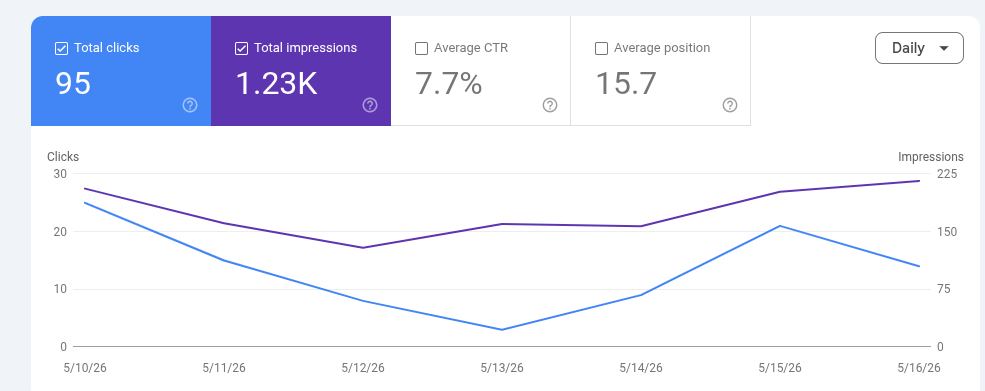
Top Google Analytics Blogging Myths Debunked in 2026
In the ever-evolving world of digital marketing, Google Analytics remains an indispensable tool for bloggers and content creators. However, there are many misconceptions and myths surrounding its use. As we navigate through 2026, it's crucial to separate fact from fiction to make the most of this powerful platform. This comprehensive guide will debunk the top Google Analytics blogging myths and provide actionable insights to help you optimize your blogging strategy.
Understanding Google Analytics in 2026
Before diving into the myths, let's briefly overview what Google Analytics is and why it's essential for bloggers in 2026. Google Analytics is a web analytics service offered by Google that tracks and reports website traffic. It provides valuable insights into user behavior, allowing bloggers to make data-driven decisions to improve their content and increase engagement.
With the advent of advanced AI and machine learning in 2026, Google Analytics has become even more sophisticated. It now offers predictive analytics, enhanced user segmentation, and real-time data integration, making it an essential tool for any serious blogger.
Myth 1: Bounce Rate is the Most Important Metric
One of the most pervasive myths about Google Analytics is that bounce rate is the most critical metric for evaluating blog performance. While bounce rate—the percentage of visitors who leave your site after viewing only one page—is important, it's not the be-all and end-all.
Why Bounce Rate Alone Isn't Enough
Bounce rate can be misleading because it doesn't account for the time spent on a single page or the user's intent. For example, a user might spend several minutes reading a long-form blog post and then leave, resulting in a high bounce rate despite the positive engagement.
Actionable Tips for 2026
- Focus on Time on Page: Measure how long visitors spend on your blog posts. A longer time on page indicates higher engagement.
- Use Engagement Rate: This metric combines bounce rate, time on page, and other engagement signals to provide a more comprehensive view of user interaction.
- Leverage AI Insights: Use AI-powered tools within Google Analytics to get predictive insights into user behavior and engagement.
Google Analytics provides detailed reports on user engagement. Utilize these reports to gain a holistic view of your blog's performance and make informed decisions.
Myth 2: More Traffic Equals More Success
Another common myth is that increasing traffic is the primary goal of blogging. While traffic is essential, it's not the only indicator of success. High traffic with low engagement is often worse than moderate traffic with high engagement.
The Importance of Quality Over Quantity
In 2026, the focus has shifted towards quality traffic. Attracting the right audience who are genuinely interested in your content is more valuable than driving large numbers of visitors who quickly leave.
Actionable Tips for 2026
- Use Audience Segmentation: Segment your audience based on demographics, interests, and behavior to tailor your content to their needs.
- Optimize for Conversions: Track conversions such as email sign-ups, downloads, and purchases to measure the effectiveness of your blog content.
- Utilize BlogHunter: BlogHunter's automation features can help you identify high-value keywords and optimize your content for better engagement and conversions.
By focusing on quality traffic, you can improve engagement, build a loyal audience, and achieve better overall results.
Myth 3: Google Analytics Provides All the Answers
While Google Analytics is a powerful tool, it's not a magic solution that provides all the answers. Understanding its limitations and supplementing it with other tools is crucial for a comprehensive blogging strategy.
Once drafts become the bottleneck, a bulk publishing workflow that writes, hosts, and publishes in one place can remove the manual steps without changing your strategy.
The Limitations of Google Analytics
Google Analytics provides a wealth of data, but it's not foolproof. It can miss out on important details like user intent, emotional responses, and qualitative feedback. Additionally, it relies on accurate implementation and tagging, which can sometimes be flawed.
Actionable Tips for 2026
- Combine with Other Tools: Use additional tools like heatmaps, user surveys, and social media analytics to get a more complete picture of your audience.
- Regularly Audit Your Setup: Ensure your Google Analytics setup is accurate and up-to-date. Regular audits can help identify and fix any issues.
- Leverage AI and Machine Learning: Use AI-driven insights to complement your Google Analytics data and gain deeper understanding.
Supplementing Google Analytics with other tools and techniques can provide a more rounded view of your blog's performance and help you make better decisions.
Myth 4: SEO is the Only Factor That Matters
Search Engine Optimization (SEO) is undoubtedly important, but it's not the only factor that determines blog success. In 2026, a holistic approach that includes user experience, content quality, and engagement is essential.
The Role of User Experience
A well-designed, user-friendly blog can significantly improve engagement and retention. Focusing solely on SEO without considering user experience can lead to high bounce rates and low engagement.
Actionable Tips for 2026
- Optimize for Mobile: Ensure your blog is mobile-friendly. With the majority of users accessing content via mobile devices, a responsive design is crucial.
- Improve Page Speed: Fast-loading pages improve user experience and can also boost your SEO rankings.
- Use Engaging Visuals: Incorporate high-quality images, videos, and infographics to make your content more appealing and shareable.
By prioritizing user experience alongside SEO, you can create a blog that not only ranks well but also keeps visitors engaged and coming back for more.
Myth 5: Google Analytics is Too Complex for Beginners
Many bloggers believe that Google Analytics is too complex and technical for beginners. While it can be overwhelming at first, with the right guidance and tools, anyone can master it.
Getting Started with Google Analytics
Google Analytics offers a range of resources and tutorials to help beginners get started. From the Google Analytics Academy to YouTube tutorials, there are plenty of learning opportunities available.
Actionable Tips for 2026
- Start with the Basics: Familiarize yourself with the basic metrics and reports in Google Analytics. Focus on understanding key terms like sessions, users, and pageviews.
- Use Dashboards and Shortcuts: Create custom dashboards and shortcuts to simplify your workflow and focus on the metrics that matter most to you.
- Leverage BlogHunter: BlogHunter's intuitive interface and automation features can help you easily track and analyze your blog's performance without needing deep technical knowledge.
With the right approach and tools, even beginners can harness the power of Google Analytics to improve their blogging strategy.
Conclusion
In 2026, understanding and effectively using Google Analytics is crucial for blogging success. By debunking these common myths and following the actionable tips provided, you can optimize your blogging strategy and achieve better results. Remember, Google Analytics is a powerful tool, but it's just one piece of the puzzle. Combining it with other tools, focusing on quality traffic, and prioritizing user experience will help you create a successful and engaging blog.
Ready to take your blogging to the next level? Try BlogHunter today and experience the difference automation and AI-driven insights can make in your blogging strategy.
Grow organic traffic on auto-pilot
BlogHunter researches keywords, writes SEO posts, and publishes to your site automatically. No writers. No CMS. No manual work.
Publish Now