Travel Blog Automation Best Practices 2026 – Efficiency
Running a travel blog in 2026 means juggling endless ideas, stunning visuals, SEO demands, and a growing audience. Automation isn’t just a luxury—it’s a necessity for staying competitive while preserving the authentic voice that readers love. In this guide we’ll walk you through the travel blog automation best practices that every modern blogger should adopt, from AI‑powered writing to smart publishing schedules. Whether you’re a solo adventurer or part of a content team, these strategies will help you publish more, stress less, and keep your online presence thriving.
Why Automate Your Travel Blog in 2026?
Automation delivers three core benefits:
- Time Savings: Routine tasks like image resizing, meta‑tag creation, and social sharing can be handled by software, freeing you to explore new destinations.
- Consistency: A reliable publishing calendar ensures your audience knows when to expect fresh posts, boosting loyalty and SEO rankings.
- Scalability: As your readership grows, automated workflows let you scale without hiring a full‑time staff.
In 2026, AI models such as GPT‑5 and image generators like Midjourney V7 have become mainstream, making high‑quality content creation faster than ever. Leveraging these tools responsibly is at the heart of the best practices we’ll cover.
Core Automation Best Practices
1. Build a Robust Content Calendar
A well‑structured calendar is the backbone of any automated workflow. Use a cloud‑based planner (Google Calendar, Notion, or Airtable) to map out:
- Travel themes (e.g., "Hidden Gems of Southeast Asia")
- Publication dates and times (optimal posting windows for 2026 are 9 am – 11 am GMT)
- Associated assets (photos, videos, infographics)
- SEO milestones (keyword research, internal linking)
Integrate the calendar with automation platforms like Zapier or Make.com so that when a new entry is added, a series of tasks—draft creation, image sourcing, and social queueing—are triggered automatically.
2. Harness AI for Drafting and Editing
AI writing assistants have matured dramatically. In 2026, tools such as ChatTravelWriter and OpenAI’s GPT‑5 can generate outlines, first drafts, and even localized language variations. Follow these steps:
- Feed the AI a brief itinerary, target keyword (e.g., "travel blog automation best practices"), and desired tone.
- Review the output for factual accuracy—AI can hallucinate details, especially about visa requirements or local regulations.
- Use AI‑powered grammar checkers (Grammarly Premium, LanguageTool) for final polishing.
Remember to add personal anecdotes; authenticity still wins the trust of readers and search engines.
3. Automate Image Sourcing and Optimization
High‑resolution photos are essential for travel storytelling. Here’s a workflow that works in 2026:
- Capture raw images on‑the‑go using a smartphone that syncs to cloud storage (Google Photos or iCloud).
- Set up an IFTTT applet that sends new photos to an AI image optimizer (e.g., TinyPNG API) for compression without quality loss.
- Apply automated alt‑text generation using computer‑vision APIs (Google Vision, Azure Computer Vision) to improve SEO.
For stock images, platforms like Unsplash API now provide royalty‑free visuals that can be fetched programmatically and tagged automatically.
4. Streamline SEO with Structured Data
Search engines in 2026 reward structured data more than ever. Use automation to inject JSON‑LD schema for articles, travel itineraries, and FAQs. Tools such as Schema Pro or the built‑in features of WordPress plugins (Yoast SEO Premium) can generate the markup based on your post metadata. Schedule a nightly script that validates all new pages with Google’s Rich Results Test API, catching errors before they affect rankings.
5. Schedule Publishing and Social Distribution
Consistent publishing is key. Connect your CMS (WordPress, Ghost, or Webflow) to a scheduling service like BlogHunter. BlogHunter not only queues posts for future dates but also auto‑publishes them across major platforms (Facebook, Instagram, Pinterest, LinkedIn) using platform‑specific best‑practice formats. Set up a rule: when a post goes live, trigger a Zap that creates a LinkedIn article, a Twitter thread, and an Instagram carousel—all with pre‑written captions generated by AI.
6. Monitor Performance with Automated Analytics
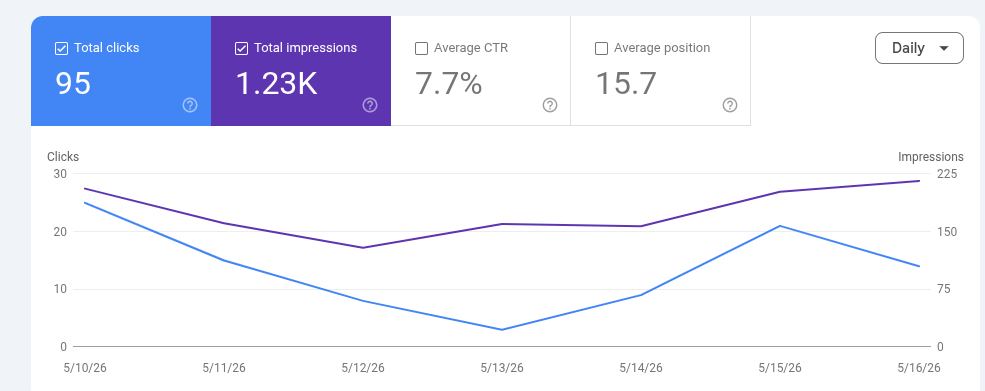
Data‑driven decisions keep your blog growing. Use Google Analytics 4 (GA4) and Search Console APIs to pull weekly performance reports into a Google Sheet or a dashboard tool like Databox. Automate alerts for spikes in bounce rate, drops in organic traffic, or sudden changes in keyword rankings. In 2026, predictive analytics modules can forecast which upcoming travel topics will likely trend, allowing you to pre‑schedule content.
7. Personalize Reader Experience
Automation isn’t just about efficiency; it can also enhance personalization. Implement dynamic content blocks that change based on visitor location, device, or referral source. For example, a reader from Germany sees a “Travel Insurance Tips for EU Citizens” sidebar, while a US visitor sees a “Visa‑Free Destinations for Americans” widget. Tools like Optimizely or Convert.com let you set these rules without coding.
8. Secure Your Automated Workflow
Automation introduces new attack vectors. Follow these security best practices:
- Use OAuth 2.0 for all API integrations (Google, Instagram, BlogHunter).
- Rotate API keys every 90 days and store them in a secret manager (AWS Secrets Manager, HashiCorp Vault).
- Enable two‑factor authentication on all accounts that trigger publishing.
Regularly audit your Zapier/Make.com workflows to ensure no orphaned steps expose sensitive data.
Tool Spotlight: How BlogHunter Supercharges Travel Blog Automation
BlogHunter is a 2026‑ready platform built specifically for travel bloggers who want end‑to‑end automation. Here’s how it aligns with the best practices above:
- Content Calendar Sync: Import your Airtable or Notion calendar directly; BlogHunter creates draft posts automatically.
- AI Writing Integration: Connect to GPT‑5 for first drafts, then edit in‑app with a built‑in plagiarism checker.
- Image Pipeline: Upload raw photos; BlogHunter runs them through TinyPNG, adds alt‑text via Vision API, and stores them in a CDN.
- SEO Automation: Auto‑generate JSON‑LD schema, meta titles, and descriptions based on your target keywords.
- Multi‑Channel Publishing: One‑click distribution to WordPress, Medium, LinkedIn, Instagram, and Pinterest, each with platform‑optimized formatting.
- Analytics Dashboard: Pull GA4, Search Console, and social metrics into a single view, with AI‑driven insights on what topics to write next.
Because BlogHunter centralizes these tasks, you reduce the number of moving parts, lower the risk of errors, and free up more time for actual travel.
Step‑by‑Step Implementation Checklist
- Define your niche and primary keywords (e.g., "budget travel itineraries 2026").
- Set up a cloud‑based content calendar and link it to Zapier.
- Choose an AI writing assistant (GPT‑5) and create prompt templates.
- Configure image automation: cloud storage → TinyPNG → Vision API.
- Install BlogHunter, import your calendar, and map fields (title, slug, tags).
- Enable SEO schema generation in BlogHunter and test with Rich Results Tool.
- Schedule your first batch of posts (minimum three) and set social distribution rules.
- Create a weekly analytics report template and set up automated email alerts.
- Run a security audit: rotate API keys, enable 2FA, review Zap permissions.
- Iterate: use performance data to refine topics, posting times, and AI prompts.
Following this checklist ensures you cover every pillar of the automation framework while staying adaptable to future changes.
Common Pitfalls & How to Avoid Them
Even the best‑planned automation can stumble. Here are frequent mistakes and quick fixes:
- Over‑reliance on AI: AI drafts can sound generic. Always inject personal stories and verify facts.
- Neglecting Mobile Optimization: Automated image pipelines must output WebP or AVIF for faster mobile loading.
- Missing Human Review: Schedule a weekly “human audit” slot to catch tone issues or broken links.
- Ignoring Community Interaction: Automation should not replace comment replies; set reminders to engage manually.
- Outdated Keywords: Use tools like Ahrefs 2026 or SEMrush to refresh keyword lists quarterly.
Future Trends Shaping Travel Blog Automation in 2026
Automation is evolving rapidly. Keep an eye on these emerging trends:
- Voice‑First Publishing: With smart speakers gaining market share, consider generating audio versions of posts using text‑to‑speech APIs.
- AI‑Generated Video Shorts: Platforms like RunwayML now create 30‑second travel clips from raw footage—perfect for TikTok and Reels.
- Dynamic Pricing Widgets: Integrate real‑time flight and hotel price APIs to provide up‑to‑date cost estimates within articles.
- Blockchain‑Based Content Provenance: Some travel blogs are using NFTs to certify original photography, adding a new revenue stream.
Adapting early to these innovations will keep your blog ahead of the curve.
Conclusion: Automate Smarter, Travel Further
Implementing the travel blog automation best practices outlined above will transform how you create, publish, and promote content in 2026. By combining AI writing, image pipelines, SEO schema, and a powerful platform like BlogHunter, you can publish more frequently, reach a wider audience, and still retain the personal touch that makes travel stories compelling.
Ready to experience the difference? Try BlogHunter today and watch your travel blog run on autopilot while you focus on the next adventure.
Grow organic traffic on auto-pilot
BlogHunter researches keywords, writes SEO posts, and publishes to your site automatically. No writers. No CMS. No manual work.
Publish Now