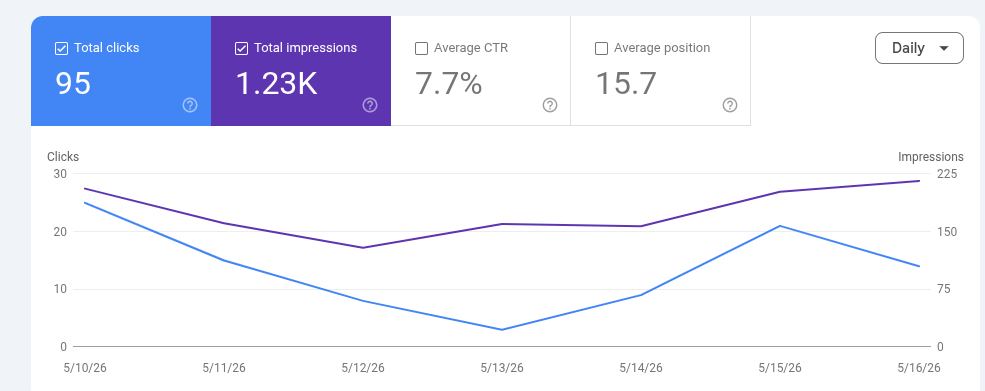
What Is Google Analytics for Blogging?
Google Analytics is a free web analytics service that tracks and reports website traffic, providing bloggers with comprehensive insights into their audience behavior, content performance, and marketing effectiveness. For bloggers in 2026, Google Analytics has evolved into an essential tool that transforms raw data into actionable strategies for growth and monetization.
At its core, Google Analytics for blogging involves installing a tracking code on your website that collects data about visitors, their interactions, and their journey through your content. This data helps bloggers understand what's working, what isn't, and how to optimize their content strategy for better results.
The Evolution of Google Analytics for Bloggers
Google Analytics has undergone significant changes in recent years, with the introduction of Google Analytics 4 (GA4) replacing the Universal Analytics platform. For bloggers in 2026, GA4 represents the current standard, offering enhanced privacy controls, cross-platform tracking, and AI-powered insights that were previously unavailable.
The transition to GA4 was completed in 2023, and by 2026, most bloggers have adapted to its event-based tracking model. This new approach focuses on user interactions rather than traditional pageview metrics, providing a more comprehensive understanding of how visitors engage with blog content.
Key Features of Google Analytics for Bloggers
Audience Analysis and Demographics
Understanding your audience is fundamental to successful blogging, and Google Analytics provides detailed demographic information including age, gender, location, and interests. In 2026, bloggers can access even more granular data about their audience segments, helping them create targeted content that resonates with specific reader groups.
The platform tracks user behavior patterns, showing which blog posts attract the most engagement, how long readers stay on your site, and what content drives conversions. This information helps bloggers identify their most valuable audience segments and tailor their content strategy accordingly.
Traffic Source Analysis
Google Analytics reveals where your blog traffic originates, breaking down sources into categories like organic search, social media, direct traffic, referral sites, and email marketing. For bloggers in 2026, understanding traffic sources is crucial for optimizing marketing efforts and identifying which channels deliver the best ROI.
The platform provides insights into which social media platforms drive the most engaged readers, which search keywords bring organic traffic, and how effective your email campaigns are at driving blog visits. This data helps bloggers allocate their time and resources more effectively.
Content Performance Tracking
Bloggers can analyze which posts perform best in terms of pageviews, time on page, bounce rate, and conversion rates. Google Analytics in 2026 offers enhanced content grouping features that allow bloggers to categorize posts by topic, format, or publication date for easier analysis.
The platform tracks scroll depth, click patterns, and user interactions with embedded elements like videos, forms, and call-to-action buttons. This granular data helps bloggers understand which content formats and topics resonate most with their audience.
Conversion Tracking and Goal Setting
For bloggers who monetize through affiliate marketing, product sales, or email list building, Google Analytics provides robust conversion tracking capabilities. You can set up goals to track newsletter signups, ebook downloads, affiliate link clicks, or any other valuable actions readers take on your blog.
In 2026, the goal-setting interface in GA4 has become more intuitive, allowing bloggers to create custom conversion events without extensive technical knowledge. This makes it easier to track progress toward specific blogging objectives.
Setting Up Google Analytics for Your Blog
Choosing Between GA4 and Universal Analytics
As of 2026, Google Analytics 4 is the only supported version, and bloggers should ensure they're using the current platform. GA4 offers several advantages over the previous version, including better cross-device tracking, enhanced privacy controls, and predictive analytics capabilities.
The setup process involves creating a Google Analytics account, adding your blog as a property, and installing the tracking code on your website. Most modern blogging platforms like WordPress, Medium, or Ghost offer plugins or built-in integrations that simplify this process.
Installation Methods
For WordPress bloggers, popular plugins like MonsterInsights or Site Kit by Google provide user-friendly interfaces for connecting your blog to Google Analytics. These tools handle the technical aspects of code installation and offer additional features like real-time statistics and enhanced eCommerce tracking.
Manual installation involves adding the GA4 tracking code to your blog's header section. This can be done through your theme's customization options or by editing the header.php file directly. For bloggers using website builders like Wix or Squarespace, built-in integrations eliminate the need for manual code installation.
Essential Configuration Steps
After installation, bloggers should configure basic settings including timezone, currency, and data retention policies. Setting up custom dimensions and metrics specific to your blogging niche can provide more relevant insights. For example, a food blogger might track recipe categories, while a tech blogger might monitor device types and browsers.
Creating a measurement plan before diving into analytics helps ensure you track the metrics that matter most for your specific blogging goals. This might include setting up goals for email signups, affiliate conversions, or content engagement metrics.
Essential Google Analytics Reports for Bloggers
Audience Overview Report
The Audience Overview report provides a snapshot of your blog's performance, showing metrics like users, sessions, pageviews, and average session duration. For bloggers in 2026, this report has been enhanced with AI-powered insights that highlight unusual patterns or opportunities in your traffic data.
The report breaks down audience characteristics including new vs. returning visitors, geographic distribution, and device usage. Understanding these patterns helps bloggers create content that appeals to their core audience while identifying opportunities to expand their reach.
Acquisition Reports
Acquisition reports show how visitors find your blog, breaking down traffic by source, medium, and campaign. The All Traffic report provides detailed insights into which channels drive the most valuable traffic, while the Campaigns report helps track the performance of specific marketing initiatives.
For bloggers running paid promotions or social media campaigns, the acquisition reports help measure ROI and optimize budget allocation. The enhanced attribution modeling in GA4 provides a more accurate picture of how different touchpoints contribute to blog success.
Behavior Reports
Behavior reports reveal how visitors interact with your blog content. The Top Pages report shows which posts attract the most traffic, while the Landing Pages report reveals which pages serve as entry points to your blog. The Site Speed report helps identify performance issues that might be affecting user experience.
The enhanced events tracking in GA4 provides detailed insights into user interactions like video plays, form submissions, and button clicks. This granular data helps bloggers optimize their content layout and calls-to-action for better engagement.
Conversions Reports
For bloggers focused on monetization or list building, the conversions reports are invaluable. These reports show how well your blog achieves specific goals, whether that's affiliate sales, product purchases, or email signups. The funnel visualization feature helps identify where potential conversions drop off.
The enhanced eCommerce tracking in GA4 provides detailed insights into product performance, transaction values, and purchase behavior for bloggers selling digital products or merchandise.
Advanced Google Analytics Strategies for Bloggers
Custom Dashboards and Reports
Creating custom dashboards allows bloggers to focus on the metrics that matter most for their specific goals. In 2026, GA4 offers enhanced customization options, including the ability to create multiple dashboard views for different team members or reporting purposes.
Custom reports can combine data from multiple sources, providing insights that aren't available in standard reports. For example, a blogger might create a report that correlates social media engagement with blog traffic to identify which platforms drive the most valuable visitors.
Event Tracking for Enhanced Insights
Event tracking allows bloggers to monitor specific user interactions beyond pageviews. In GA4, events are the primary unit of measurement, making it easier to track actions like PDF downloads, video plays, or outbound link clicks without extensive coding knowledge.
Setting up custom events for blog-specific interactions provides deeper insights into reader behavior. For example, tracking how far readers scroll through long-form content or which internal links receive the most clicks can inform content strategy decisions.
Audience Segmentation
Audience segmentation allows bloggers to analyze specific groups of users based on shared characteristics. In 2026, GA4 offers enhanced segmentation capabilities, including predictive audiences based on machine learning algorithms.
Creating segments for different audience types helps bloggers understand how various reader groups interact with their content. This information can guide content creation, email marketing campaigns, and advertising strategies.
Integration with Other Tools
Google Analytics integrates with numerous other tools that enhance its capabilities for bloggers. Integration with Google Search Console provides search query data and click-through rates, while connections to Google Ads offer insights into paid campaign performance.
Third-party integrations with email marketing platforms, CRM systems, and social media management tools provide a more comprehensive view of your blog's marketing ecosystem. These connections help bloggers understand how different marketing channels work together to drive results.
Once drafts become the bottleneck, a bulk publishing workflow that writes, hosts, and publishes in one place can remove the manual steps without changing your strategy.
Common Google Analytics Mistakes Bloggers Make
Focusing on Vanity Metrics
Many bloggers make the mistake of focusing on vanity metrics like pageviews rather than meaningful engagement metrics. While high traffic numbers look impressive, they don't necessarily translate to blog success. In 2026, bloggers should focus on metrics like engagement rate, conversion rate, and return visitor percentage.
Understanding the difference between traffic quantity and quality helps bloggers make better content and marketing decisions. A smaller audience of highly engaged readers is often more valuable than a large audience with low engagement.
Incomplete Implementation
Many bloggers install Google Analytics but fail to configure it properly for their specific needs. This might include not setting up goals, failing to enable enhanced eCommerce tracking, or not creating custom dimensions for blog-specific data.
Taking time to properly configure Google Analytics ensures you collect the data needed to make informed decisions about your blog's direction and strategy.
Ignoring Mobile Performance
With mobile traffic continuing to grow, bloggers who ignore mobile performance metrics miss crucial insights about their audience. Google Analytics provides detailed mobile reports showing device types, screen resolutions, and mobile-specific engagement metrics.
Understanding how mobile users interact with your blog helps optimize the mobile experience, which is essential for both user satisfaction and search engine rankings in 2026.
Using Google Analytics Data to Improve Your Blog
Content Strategy Optimization
Google Analytics data reveals which topics, formats, and posting times generate the best results for your blog. By analyzing top-performing content, bloggers can identify patterns and create more content that resonates with their audience.
The platform helps identify content gaps by showing which topics generate interest but lack comprehensive coverage. This information guides content planning and helps bloggers create more valuable resources for their readers.
SEO Improvement
Google Analytics data, combined with Google Search Console integration, provides insights into which keywords drive organic traffic and which pages need SEO optimization. Bloggers can identify high-potential keywords where they rank on page two or three and create content to improve those rankings.
The platform helps track the impact of SEO changes over time, allowing bloggers to measure the effectiveness of their optimization efforts and adjust strategies accordingly.
Monetization Strategy
For bloggers focused on monetization, Google Analytics provides crucial data about which content drives the most revenue, which audience segments are most valuable, and which monetization methods work best for their blog.
This information helps bloggers optimize their monetization strategy, whether that involves affiliate marketing, sponsored content, digital products, or advertising. Understanding the revenue potential of different content types guides content creation decisions.
User Experience Enhancement
Google Analytics reveals user experience issues through metrics like bounce rate, average session duration, and page load speed. Identifying pages with high bounce rates or low engagement helps bloggers improve their content and site structure.
The platform helps track the impact of UX improvements over time, allowing bloggers to measure whether changes like site speed optimization or navigation improvements actually improve user engagement.
Privacy Considerations and Compliance
GDPR and Privacy Regulations
In 2026, privacy regulations continue to evolve, and bloggers must ensure their use of Google Analytics complies with applicable laws. This includes providing clear privacy policies, obtaining appropriate consent, and respecting user preferences regarding data collection.
Google Analytics offers features to help with compliance, including data retention controls and consent mode integration. Bloggers should stay informed about privacy requirements in their jurisdiction and implement appropriate measures.
Data Security
Protecting user data is essential for maintaining reader trust. Google Analytics provides secure data storage and transmission, but bloggers should implement additional security measures like HTTPS encryption and regular security audits.
Being transparent about data collection practices and providing users with control over their data helps build trust and ensures long-term blog success.
Future Trends in Blog Analytics
AI-Powered Insights
Google Analytics continues to incorporate more AI and machine learning features, providing bloggers with automated insights and predictive analytics. In 2026, these capabilities help identify trends and opportunities that might not be apparent through manual analysis.
AI-powered anomaly detection alerts bloggers to unusual traffic patterns or performance issues, allowing for quicker responses to opportunities or problems.
Cross-Platform Tracking
As readers engage with content across multiple devices and platforms, cross-platform tracking becomes increasingly important. Google Analytics in 2026 offers enhanced capabilities for tracking user journeys across websites, mobile apps, and other digital touchpoints.
This comprehensive view helps bloggers understand how readers interact with their brand across different channels and devices, informing content and marketing strategies.
Privacy-First Analytics
The trend toward privacy-first analytics continues to grow, with Google Analytics incorporating more features that respect user privacy while still providing valuable insights. This includes enhanced consent management, data anonymization options, and cookieless tracking capabilities.
Bloggers who prioritize privacy while still leveraging analytics data will be better positioned for long-term success as privacy regulations continue to evolve.
Getting Started with Google Analytics for Your Blog
Quick Start Guide
Begin by creating a Google Analytics account and setting up your blog as a property. Install the tracking code using your platform's recommended method, then configure basic settings like timezone and data retention.
Set up at least one goal that aligns with your blogging objectives, whether that's email signups, affiliate conversions, or content engagement metrics. Review your reports weekly to identify trends and opportunities.
Learning Resources
Google offers extensive documentation and learning resources for Analytics users. The Google Analytics Academy provides free courses covering basic to advanced topics, while the Google Analytics Help Center offers detailed guides for specific features.
Blog-specific communities and forums provide opportunities to learn from other bloggers' experiences and get answers to specific questions about using analytics for blog optimization.
Continuous Improvement
Google Analytics is a powerful tool, but its value depends on how effectively you use it. Regularly review your configuration, update your goals as your blog evolves, and stay informed about new features and capabilities.
Consider working with analytics consultants or joining blogger mastermind groups to learn advanced techniques and stay current with best practices in blog analytics.
Conclusion
Google Analytics is an indispensable tool for bloggers in 2026, providing the insights needed to create better content, optimize marketing efforts, and achieve blogging goals. Whether you're a beginner blogger or an experienced content creator, understanding and effectively using Google Analytics can significantly impact your blog's success.
The platform's evolution toward more user-friendly interfaces, AI-powered insights, and privacy-conscious features makes it accessible to bloggers at all skill levels. By investing time in learning Google Analytics and applying its insights to your blogging strategy, you can create a more successful, sustainable blog that serves your audience and achieves your objectives.
Remember that analytics is about more than just collecting data—it's about using that data to make informed decisions that improve your blog over time. Start with the basics, gradually expand your analytics capabilities, and always focus on metrics that align with your specific blogging goals.
Ready to take your blog analytics to the next level? Tools like BlogHunter can help automate data collection and analysis, making it easier to track your blog's performance and identify growth opportunities. Try BlogHunter today to streamline your blogging workflow and gain deeper insights into your audience behavior.
Grow organic traffic on auto-pilot
BlogHunter researches keywords, writes SEO posts, and publishes to your site automatically. No writers. No CMS. No manual work.
Publish Now