2026 Guide: Blog SEO Optimization for Beginners
In the ever-evolving digital landscape of 2026, having a well-optimized blog is crucial for attracting organic traffic and building your online presence. Whether you're a seasoned content creator or just starting, understanding how to optimize your blog posts for search engine optimization (SEO) can significantly boost your visibility and engagement.
What is Blog SEO Optimization?
Blog SEO optimization refers to the process of enhancing your blog articles and entire website to rank higher in search engine results pages (SERPs). By implementing effective SEO strategies, you can improve your blog's visibility, attract more visitors, and increase the likelihood of converting them into loyal readers or customers.
Why is Blog SEO Optimization Important?
In 2026, the competition for online attention is fiercer than ever. With millions of blogs and websites vying for the top spots in search results, ensuring your content stands out is essential. Effective blog SEO optimization helps you:
- Attract more organic traffic
- Build a stronger online presence
- Enhance user experience
- Establish authority in your niche
- Increase engagement and conversions
Understanding the Basics of SEO
Before diving into specific SEO techniques, it's important to understand the foundational principles of search engine optimization. SEO involves various strategies and tactics aimed at improving your blog's ranking in search engines like Google, Bing, and Yahoo.
Keyword Research
Keyword research is the cornerstone of any successful SEO strategy. In 2026, tools like Google Keyword Planner, Ahrefs, and SEMrush are essential for identifying relevant keywords and phrases that your target audience is searching for. By integrating these keywords naturally into your content, you can improve your blog's relevance and visibility.
On-Page SEO
On-page SEO focuses on optimizing the elements within your blog posts and website to make them more search engine-friendly. This includes:
- Title Tags: Craft concise and compelling title tags that include your primary keyword.
- Meta Descriptions: Write informative meta descriptions that entice users to click through to your blog.
- Headings: Use H1, H2, and H3 tags to structure your content and include relevant keywords.
- Content Quality: Ensure your articles are well-researched, informative, and engaging. High-quality content is crucial for both users and search engines.
- Internal Linking: Link to other relevant articles within your blog to improve navigation and keep readers engaged.
- Image Optimization: Use alt tags and descriptive file names for images to make them searchable.
Technical SEO
Technical SEO involves optimizing the backend of your website to improve its performance and crawlability. Key aspects include:
- Site Speed: Ensure your blog loads quickly to enhance user experience and SEO.
- Mobile-Friendliness: Make sure your blog is responsive and optimized for mobile devices.
- XML Sitemap: Create and submit an XML sitemap to search engines to help them index your content.
- Robots.txt: Use a robots.txt file to control which pages search engines can crawl and index.
Advanced Blog SEO Optimization Techniques
Once you've mastered the basics, it's time to delve into more advanced SEO techniques to further boost your blog's performance. These strategies can help you stay ahead of the competition and attract even more organic traffic.
Content Optimization
Creating high-quality, optimized content is essential for SEO success. In 2026, it's important to focus on:
- Long-Form Content: Longer articles tend to rank better in search results. Aim for comprehensive, in-depth posts that provide value to your readers.
- Featured Snippets: Optimize your content to appear in featured snippets, which can significantly increase your visibility.
- Multimedia Content: Incorporate images, videos, and infographics to make your content more engaging and shareable.
- Schema Markup: Use schema markup to help search engines understand your content better and improve its visibility.
User Experience (UX)
A positive user experience is crucial for SEO. In 2026, search engines prioritize websites that offer a seamless and enjoyable browsing experience. Key factors to consider include:
- Navigation: Ensure your blog is easy to navigate with a clear menu and internal linking structure.
- Design: Use a clean, modern design that is visually appealing and user-friendly.
- Load Time: Optimize your blog's load time to reduce bounce rates and improve engagement.
- Mobile Optimization: Make sure your blog is fully optimized for mobile devices, as a significant portion of traffic comes from mobile users.
Tools and Resources for Blog SEO Optimization
There are numerous tools and resources available in 2026 to help you optimize your blog for SEO. Some of the most popular and effective ones include:
Keyword Research Tools
- Google Keyword Planner
- Ahrefs
- SEMrush
- Ubersuggest
- KeywordTool.io
SEO Plugins
If you're using a Content Management System (CMS) like WordPress, SEO plugins can be invaluable. Popular options in 2026 include:
- Yoast SEO
- All in One SEO
- Rank Math
Analytics Tools
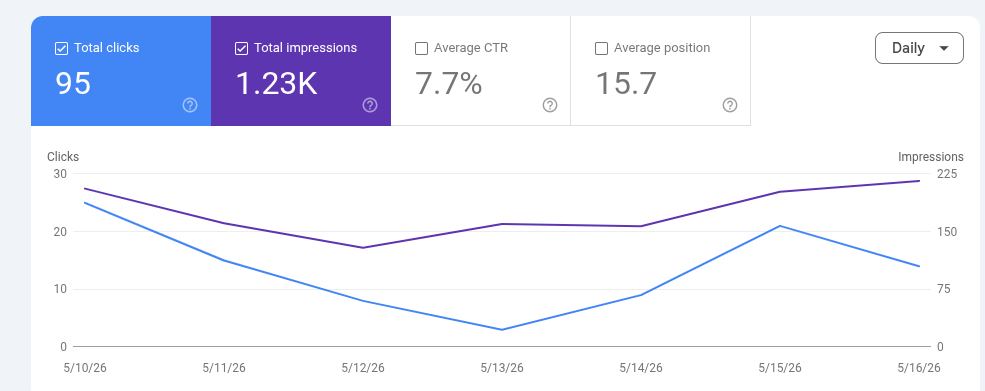
Tracking your SEO performance is essential for continuous improvement. Tools like:
- Google Analytics
- Search Console
- Moz Pro
- Ahrefs
- SEMrush
can provide valuable insights into your blog's performance and help you make data-driven decisions.
How BlogHunter Can Help Automate Your Blog SEO Optimization
In the competitive landscape of 2026, automating your blog SEO optimization can save you time and ensure consistency. BlogHunter is a powerful tool designed to streamline your SEO efforts. Here's how it can help:
- Keyword Suggestions: BlogHunter provides automated keyword suggestions based on your content and industry trends.
- Content Optimization: The tool analyzes your articles and offers recommendations for improving SEO, including meta tags, headings, and internal linking.
- Performance Tracking: BlogHunter monitors your blog's performance and provides detailed reports on organic traffic, rankings, and engagement metrics.
- Automated Publishing: With BlogHunter, you can schedule and publish optimized blog posts seamlessly, ensuring a consistent online presence.
Automating your blog SEO optimization with BlogHunter can significantly enhance your efficiency and effectiveness, allowing you to focus on creating high-quality content.
Conclusion
In 2026, blog SEO optimization is more important than ever for building a strong online presence and attracting organic traffic. By understanding the basics of SEO and implementing advanced techniques, you can significantly improve your blog's visibility and engagement. Tools like BlogHunter can help automate and streamline your SEO efforts, ensuring consistent performance and growth. Start optimizing your blog today and watch your organic traffic soar!
Ready to take your blog SEO to the next level? Try BlogHunter now and experience the difference automation can make!
Grow organic traffic on auto-pilot
BlogHunter researches keywords, writes SEO posts, and publishes to your site automatically. No writers. No CMS. No manual work.
Publish Now