Blog SEO Optimization in 2026: A Beginner's Guide
Welcome to the ultimate guide for bloggers and content creators looking to master blog SEO optimization in 2026. In today's digital landscape, having a well-optimized blog is crucial for driving organic traffic and building a strong online presence. Whether you're just starting or looking to enhance your existing content strategy, this comprehensive guide will provide you with actionable steps to improve your search engine optimization.
The Importance of Blog SEO Optimization
In 2026, search engine optimization (SEO) remains a cornerstone of digital marketing. With billions of blog posts published annually, standing out in search engine results pages (SERPs) is more challenging than ever. Effective blog SEO optimization ensures that your articles are discoverable by your target audience, leading to increased visibility and engagement.
SEO is not just about ranking higher; it's about providing valuable content that meets the needs of your readers. By optimizing your blog posts, you enhance the user experience, making it easier for visitors to find the information they seek. This, in turn, boosts your credibility and authority in your niche.
Understanding the Basics of Blog SEO
Before diving into advanced techniques, it's essential to understand the basics of blog SEO. These foundational elements form the backbone of your optimization strategy.
Keyword Research
Keyword research is the process of identifying relevant and high-traffic keywords that your target audience is searching for. In 2026, tools like Google Keyword Planner, Ahrefs, and SEMrush are indispensable for this task. Start by brainstorming a list of potential keywords and then use these tools to analyze their search volume, competition, and relevance.
Remember, long-tail keywords (phrases with three or more words) are often easier to rank for and can drive more targeted traffic. For example, instead of targeting 'blogging tips,' consider 'blogging tips for beginners in 2026.'
On-Page SEO
On-page SEO refers to the practices you implement directly on your blog posts to improve their visibility. This includes optimizing titles, meta descriptions, headers, and content.
- Title Tags: Ensure your titles are descriptive and include your primary keyword. Keep them under 60 characters to avoid truncation in SERPs.
- Meta Descriptions: Write compelling meta descriptions that include your primary keyword and entice users to click through to your post. Aim for 150-160 characters.
- Headers: Use header tags (H1, H2, H3) to structure your content. The H1 tag should be your title, while H2 and H3 tags should be used for subheadings and sections.
- Content: Incorporate your keywords naturally throughout your articles. Avoid keyword stuffing, as it can negatively impact your rankings.
Internal Linking
Internal linking involves linking to other relevant articles within your blog. This practice helps search engines understand the context and hierarchy of your content, improving crawlability and indexation. It also keeps readers on your site longer, reducing bounce rates.
Use anchor text that is descriptive and relevant to the linked content. For example, instead of 'click here,' use 'learn more about blog SEO optimization.'
Image Optimization
Images are a crucial part of your blog posts, making them more engaging and shareable. However, they can also slow down your site if not optimized properly. Use descriptive file names and alt tags that include your keywords to improve accessibility and SEO.
Compress images to reduce file sizes without compromising quality. In 2026, tools like TinyPNG and ImageOptim are popular for this purpose.
Advanced Blog SEO Optimization Techniques
Once you've mastered the basics, it's time to explore advanced techniques to take your blog SEO optimization to the next level.
Technical SEO
Technical SEO focuses on the backend aspects of your blog that affect its performance and visibility. This includes site speed, mobile-friendliness, and secure connections (HTTPS).
Use tools like Google PageSpeed Insights and GTmetrix to analyze and improve your site's speed. Ensure your blog is mobile-friendly by using responsive design and testing it on various devices.
In 2026, having a secure site is non-negotiable. Obtain an SSL certificate to enable HTTPS and protect your users' data.
Content Quality and Length
High-quality, in-depth content tends to rank higher in search engines. Aim for comprehensive articles that provide value to your readers. In 2026, long-form content (over 2,000 words) is favored by search engines and can drive more organic traffic.
Focus on writing engaging, informative posts that answer your audience's questions. Use a mix of text, images, and videos to make your content more appealing.
User Experience (UX)
A positive user experience is crucial for SEO. Ensure your blog is easy to navigate, with a clean design and fast loading times. Use clear calls-to-action (CTAs) to guide readers through your content.
In 2026, voice search optimization is also gaining traction. Optimize your content for voice search by using natural language and answering common questions.
Schema Markup
Schema markup is a type of microdata that helps search engines understand the context of your content. It can enhance your listings in SERPs with rich snippets, making them more attractive to users.
Use schema markup for articles, recipes, events, and other relevant content types. Tools like Google's Structured Data Markup Helper make it easy to implement schema markup on your blog.
Automating Blog SEO Optimization with BlogHunter
In 2026, automating your blog SEO optimization processes can save you time and effort. BlogHunter is a powerful tool designed to help bloggers and content creators streamline their SEO efforts.
With BlogHunter, you can automate keyword research, on-page optimization, and content publishing. The platform provides real-time SEO suggestions and analytics, ensuring your articles are always optimized for search engines.
BlogHunter's user-friendly interface makes it easy to manage multiple blogs and track their performance. Whether you're a solo blogger or part of a content team, BlogHunter can help you achieve better results with less effort.
Measuring and Improving Your Blog SEO
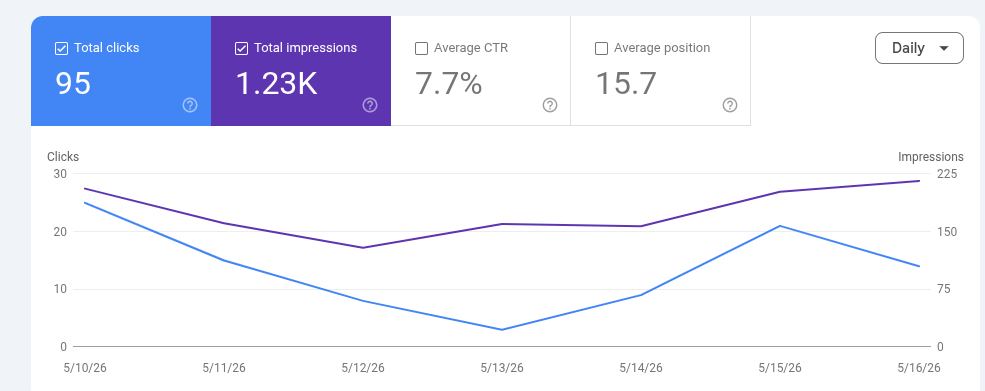
Regularly monitoring and analyzing your blog's performance is essential for continuous improvement. Use tools like Google Analytics, Google Search Console, and SEMrush to track your rankings, traffic, and user behavior.
Analyzing Key Metrics
Focus on key metrics such as organic traffic, bounce rate, time on page, and conversion rates. Identify which articles are performing well and why. Use this data to inform your future content strategy.
In 2026, user engagement metrics are becoming increasingly important. Pay attention to how users interact with your content and make adjustments accordingly.
A/B Testing
A/B testing involves comparing two versions of a webpage to see which performs better. Test different headlines, meta descriptions, and CTAs to optimize your blog posts for higher click-through rates and conversions.
Tools like Optimizely and Google Optimize make it easy to run A/B tests and analyze the results. Use the insights gained to refine your blog SEO optimization strategy.
Staying Updated with SEO Trends
SEO is an ever-evolving field, and staying updated with the latest trends is crucial for maintaining your rankings. Follow industry blogs, attend webinars, and join SEO communities to stay informed.
In 2026, AI and machine learning are playing a significant role in SEO. Familiarize yourself with these technologies and how they can enhance your content strategy.
Conclusion
Mastering blog SEO optimization in 2026 is essential for driving organic traffic and building a strong online presence. By understanding the basics and implementing advanced techniques, you can significantly improve your blog's visibility and engagement.
Remember, SEO is an ongoing process that requires continuous monitoring and adaptation. Use tools like BlogHunter to automate your SEO efforts and stay ahead of the competition.
Ready to take your blog to the next level? Start by implementing the tips and strategies outlined in this guide. Try BlogHunter today and watch your organic traffic soar!
Grow organic traffic on auto-pilot
BlogHunter researches keywords, writes SEO posts, and publishes to your site automatically. No writers. No CMS. No manual work.
Publish Now