Master Blog SEO Optimization: Complete Guide for 2026
In the ever-evolving world of search engine optimization (SEO), staying ahead of the curve is crucial for maintaining a strong online presence. Blog SEO optimization is no exception. As we move into 2026, the landscape of SEO continues to shift, requiring bloggers, content creators, and marketers to adapt their strategies to keep up with the latest trends and algorithms. This complete guide will walk you through everything you need to know about blog SEO optimization in 2026, ensuring your content ranks higher and drives more organic traffic.
The Importance of Blog SEO Optimization in 2026
Blog SEO optimization is not just about getting more visitors to your website; it's about attracting the right visitors. In 2026, search engines like Google have become even more sophisticated, focusing on user intent and quality content. Optimizing your blog posts for SEO helps you:
- Increase organic traffic
- Improve user experience
- Build authority and credibility
- Enhance content discoverability
With the right SEO strategies, your blog can become a powerful tool for driving targeted traffic and achieving your online goals.
Understanding the Basics of Blog SEO Optimization
Before diving into the specifics, let's cover the basics of blog SEO optimization. Understanding these fundamental concepts will lay a solid foundation for your SEO efforts.
Keyword Research
Keyword research is the cornerstone of any successful SEO strategy. Identifying the right keywords ensures that your content aligns with what your audience is searching for. Here are some steps to conduct effective keyword research in 2026:
- Identify Seed Keywords: Start with broad keywords related to your niche. These are your seed keywords.
- Use Keyword Tools: Utilize tools like Google Keyword Planner, Ahrefs, or BlogHunter to find related keywords and their search volume.
- Analyze Competitors: Look at what keywords your competitors are ranking for and identify gaps you can fill.
- Long-Tail Keywords: Focus on long-tail keywords, which are more specific and often have lower competition.
- User Intent: Consider the intent behind the keywords. Are users looking for information, products, or services?
BlogHunter’s advanced keyword research tool can automate this process, providing you with a comprehensive list of relevant keywords tailored to your niche.
On-Page SEO
On-page SEO refers to the optimization of individual web pages to rank higher and earn more relevant traffic in search engines. Here are some essential on-page SEO factors to consider:
- Title Tags: Create compelling title tags that include your primary keyword and are under 60 characters.
- Meta Descriptions: Write engaging meta descriptions that summarize your content and include your primary keyword. Keep them under 160 characters.
- Header Tags: Use header tags (H1, H2, H3, etc.) to structure your content and include keywords naturally.
- URL Structure: Keep your URLs short, descriptive, and include your primary keyword.
- Internal Linking: Link to other relevant articles on your blog to keep readers engaged and improve crawlability.
- Image Optimization: Use descriptive file names and alt tags for your images to make them more searchable.
On-page SEO is crucial for ensuring that search engines understand the content and relevance of your blog posts. Tools like BlogHunter can help you optimize these elements effortlessly.
Content Creation and Optimization
Creating high-quality content is essential for SEO success. In 2026, search engines prioritize content that provides value to users. Here are some tips for creating and optimizing your blog posts:
Quality Content
High-quality content is the backbone of successful SEO. Ensure your articles are:
- Informative: Provide valuable information that answers users' questions.
- Engaging: Use a conversational tone and interesting examples to keep readers engaged.
- Original: Avoid duplicating content. Offer a unique perspective or insights.
- Well-Research: Back up your claims with reliable sources and data.
BlogHunter’s content generation features can help you create well-researched and engaging articles tailored to your audience’s needs.
Keyword Placement
Strategic keyword placement is crucial for SEO. Ensure your primary keyword appears in:
- The title tag
- The first 100 words of your content
- At least one header tag (H2, H3, etc.)
- A few times naturally throughout the content
- The meta description
- The URL
BlogHunter’s SEO optimization tool can help you place keywords naturally and effectively in your articles.
Technical SEO for Blogs
Technical SEO focuses on the backend of your website, ensuring it is optimized for search engines. Here are some technical SEO aspects to consider:
Site Speed
Site speed is a critical ranking factor. Ensure your blog loads quickly by:
- Compressing images
- Using a Content Delivery Network (CDN)
- Minifying CSS, JavaScript, and HTML
- Enabling browser caching
BlogHunter’s site speed optimization features can help you improve your blog's loading times, enhancing user experience and SEO performance.
Mobile Optimization
In 2026, mobile optimization is more important than ever. Ensure your blog is mobile-friendly by:
- Using a responsive design
- Optimizing images for mobile
- Ensuring fast loading times on mobile devices
- Using large, readable fonts
BlogHunter’s mobile optimization tools can help you create a mobile-friendly blog that ranks higher in search results.
Secure Website
Security is a top priority for search engines. Ensure your blog is secure by:
- Using HTTPS
- Keeping your software up to date
- Regularly backing up your data
- Using strong passwords
BlogHunter’s security features can help you protect your blog and maintain a strong online presence.
Content Organization and Structure
Organizing your content effectively improves user experience and SEO. Here are some tips for structuring your blog:
Categorization
Categorize your blog posts into relevant topics. This helps users navigate your site and search engines understand your content better. Use clear and descriptive category names and include them in your site's navigation menu.
Once drafts become the bottleneck, a bulk publishing workflow that writes, hosts, and publishes in one place can remove the manual steps without changing your strategy.
BlogHunter’s categorization tools can help you organize your content effectively, making it easier for users and search engines to find your articles.
Internal Linking
Internal linking helps search engines crawl your site and keeps users engaged. Link to relevant articles within your blog to provide additional value and improve SEO. Use descriptive anchor text that includes your target keywords.
BlogHunter’s internal linking features can help you create a well-linked blog that improves user experience and SEO performance.
User Experience (UX)
User experience is a critical ranking factor. Ensure your blog provides a positive UX by:
- Using a clean, easy-to-navigate design
- Ensuring fast loading times
- Providing valuable, engaging content
- Using clear calls-to-action
- Making your blog mobile-friendly
BlogHunter’s UX optimization tools can help you create a blog that users love, improving your SEO and driving more organic traffic.
Advanced SEO Strategies for 2026
As SEO continues to evolve, staying ahead of the curve is essential. Here are some advanced SEO strategies for 2026:
Voice Search Optimization
Voice search is becoming increasingly popular. Optimize your blog for voice search by:
- Using conversational language
- Including long-tail keywords and phrases
- Answering common questions
- Using structured data
BlogHunter’s voice search optimization features can help you create content that ranks higher in voice search results.
Featured Snippets
Featured snippets are prime real estate in search results. Optimize your articles for featured snippets by:
- Providing clear, concise answers to common questions
- Using structured data
- Including relevant keywords
- Using header tags to structure your content
BlogHunter’s featured snippet optimization tools can help you create content that appears in featured snippets, driving more organic traffic.
Local SEO
If your blog targets a local audience, local SEO is crucial. Optimize your blog for local search by:
- Including your location in your content
- Creating local business listings
- Using local keywords
- Building local citations
BlogHunter’s local SEO features can help you create a blog that ranks higher in local search results, driving more targeted traffic.
Monitoring and Analyzing SEO Performance
Monitoring and analyzing your SEO performance is essential for continuous improvement. Here are some steps to track your blog's SEO success:
Use SEO Tools
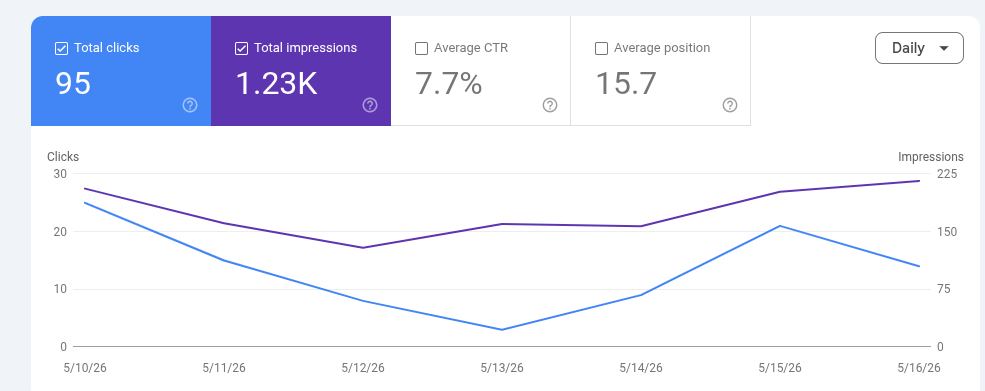
Utilize SEO tools like Google Analytics, Google Search Console, Ahrefs, and BlogHunter to track your blog's performance. Monitor key metrics such as:
- Organic traffic
- Keyword rankings
- Bounce rate
- Time on page
- Conversion rate
BlogHunter’s analytics tools can provide you with detailed insights into your blog's SEO performance, helping you make data-driven decisions.
Regular Audits
Conduct regular SEO audits to identify and fix issues. Check for:
- Broken links
- Duplicate content
- Slow loading times
- Mobile usability issues
- Missing meta tags
BlogHunter’s SEO audit tools can help you identify and fix issues quickly, ensuring your blog remains optimized for search engines.
Content Updates
Regularly update your content to keep it fresh and relevant. Update old articles with new information, optimize for new keywords, and improve the overall quality of your content.
BlogHunter’s content update features can help you keep your blog up-to-date, improving your SEO and user experience.
Conclusion
Mastering blog SEO optimization in 2026 is crucial for maintaining a strong online presence and driving organic traffic. By following the strategies and tips outlined in this comprehensive guide, you can ensure your blog ranks higher in search results and attracts the right audience.
Remember, SEO is an ongoing process. Stay updated with the latest trends and algorithms, and continuously optimize your content for the best results. Tools like BlogHunter can automate many of these processes, saving you time and effort while improving your SEO performance.
Ready to take your blog SEO to the next level? Try BlogHunter today and watch your organic traffic soar!
Grow organic traffic on auto-pilot
BlogHunter researches keywords, writes SEO posts, and publishes to your site automatically. No writers. No CMS. No manual work.
Publish Now