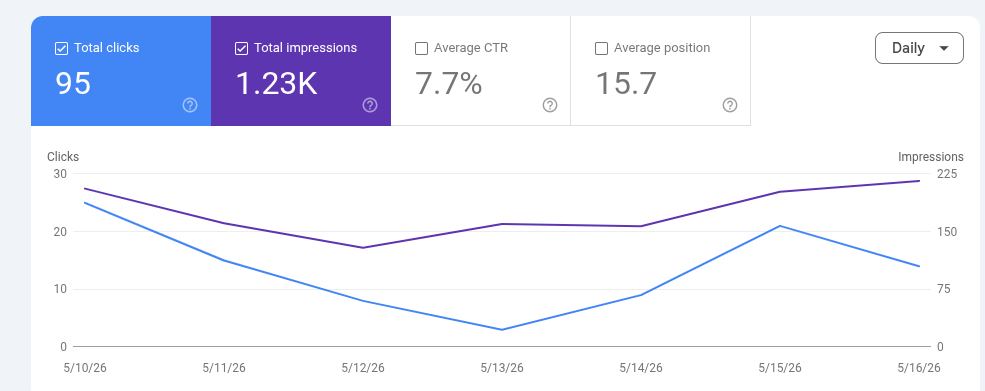
Mastering Content Performance Analysis in 2026
In the ever-evolving world of digital marketing, understanding how to analyze content performance is crucial for achieving success. As we dive into 2026, the landscape of content creation and optimization continues to shift, making it essential to stay updated with the latest trends and tools. Whether you are a blogger, content creator, or marketer, mastering content performance analysis can significantly enhance your SEO strategies and overall engagement.
Understanding Content Performance Analysis
Content performance analysis involves evaluating the effectiveness of your articles, blog posts, and other media to determine how well they meet your goals. These goals can range from increasing website traffic, improving user engagement, to boosting conversions. By analyzing various metrics, you can gain insights into what works and what doesn't, allowing you to make informed decisions to optimize your content.
Key Metrics to Track
To effectively perform content performance analysis in 2026, you need to focus on several key metrics:
- Traffic Sources: Understand where your audience is coming from, whether it's organic search, social media, referrals, or direct traffic.
- Engagement Metrics: Measure how users interact with your content through metrics like bounce rate, time on page, and pages per session.
- Conversion Rates: Track how many visitors take desired actions, such as signing up for a newsletter, making a purchase, or filling out a form.
- Social Shares: Monitor how often your content is shared on social media platforms, which can indicate its viral potential.
- SEO Performance: Analyze keyword rankings, backlinks, and other SEO metrics to see how well your content is performing in search results.
The Importance of Content Performance Analysis in 2026
In 2026, content performance analysis is more important than ever. With the increasing competition in the digital space, it's crucial to create content that not only attracts visitors but also keeps them engaged and converts them into loyal customers. By analyzing your content's performance, you can:
- Identify Top-Performing Content: Discover which articles and blog posts are driving the most traffic and engagement.
- Optimize Underperforming Content: Identify areas for improvement in your underperforming content and make necessary adjustments.
- Increase ROI: By understanding what works, you can allocate your resources more effectively, leading to a higher return on investment.
- Improve User Experience: Analyze user behavior to create a better user experience, which can lead to increased engagement and loyalty.
- Stay Ahead of Trends: Keep up with the latest trends in content marketing and SEO to ensure your content remains relevant and effective.
Steps to Effective Content Performance Analysis
To conduct a thorough content performance analysis in 2026, follow these steps:
Step 1: Set Clear Goals
Before you start analyzing your content, it's essential to set clear goals. What do you want to achieve with your content? Whether it's increasing brand awareness, generating leads, or driving sales, having clear goals will guide your analysis and help you make data-driven decisions.
Step 2: Gather Data
Use analytics tools to gather data on your content's performance. Google Analytics, SEMrush, and BlogHunter are some of the popular tools that provide comprehensive insights into your content's performance. Make sure to collect data on all the key metrics mentioned earlier.
Step 3: Analyze the Data
Once you have the data, it's time to analyze it. Look for patterns and trends that can help you understand what's working and what's not. For example, you might notice that long-form articles tend to perform better than short blog posts, or that content with high-quality images gets more shares on social media.
Step 4: Identify Opportunities for Improvement
Based on your analysis, identify areas where you can improve your content. This could involve optimizing your SEO strategies, improving your copy, or enhancing your media elements. Use the insights gained from your analysis to make data-driven decisions and create more effective content.
Step 5: Implement Changes and Monitor Results
After identifying opportunities for improvement, implement the necessary changes and monitor the results. Use A/B testing to compare the performance of different versions of your content and see which one performs better. Continuously monitor your content's performance and make adjustments as needed.
Tools for Content Performance Analysis in 2026
In 2026, there are several advanced tools available for content performance analysis. These tools can help you gather, analyze, and interpret data more efficiently, allowing you to make informed decisions and optimize your content effectively:
BlogHunter
BlogHunter is a cutting-edge tool designed to automate and streamline content performance analysis. With BlogHunter, you can easily track key metrics, identify top-performing content, and gain insights into user behavior. BlogHunter's intuitive dashboard and powerful analytics features make it an essential tool for bloggers, content creators, and marketers in 2026. By integrating BlogHunter into your workflow, you can save time and effort while achieving better results.
Google Analytics
Google Analytics remains one of the most popular tools for content performance analysis. It provides detailed insights into your website's traffic, user behavior, and conversion rates. With Google Analytics, you can track key metrics, set goals, and analyze data to make informed decisions about your content strategy.
Once drafts become the bottleneck, a bulk publishing workflow that writes, hosts, and publishes in one place can remove the manual steps without changing your strategy.
SEMrush
SEMrush is another powerful tool for content performance analysis. It offers a comprehensive suite of features for SEO, content marketing, and social media management. With SEMrush, you can analyze your content's SEO performance, identify keyword opportunities, and track your competitors' strategies.
Best Practices for Content Performance Analysis in 2026
To get the most out of your content performance analysis in 2026, follow these best practices:
Regularly Update Your Content
Regularly updating your content is crucial for maintaining its relevance and effectiveness. Use your analysis to identify content that needs to be updated and make necessary changes to improve its performance. This could involve adding new information, updating statistics, or optimizing your SEO strategies.
Focus on Quality Over Quantity
While it's important to publish content regularly, focusing on quality over quantity is essential. High-quality content tends to perform better in search results and engages users more effectively. Use your analysis to identify what makes your top-performing content successful and replicate those elements in your future content.
Use Multichannel Approaches
In 2026, a multichannel approach to content distribution is more important than ever. Use your analysis to understand where your audience is coming from and distribute your content accordingly. Whether it's through social media, email marketing, or guest blogging, a multichannel approach can help you reach a wider audience and drive more engagement.
Leverage User-Generated Content
User-generated content can be a powerful tool for boosting engagement and building trust. Use your analysis to identify opportunities for incorporating user-generated content into your strategy. This could involve encouraging users to leave reviews, share their experiences, or contribute to your blog.
Optimize for Voice Search
With the increasing popularity of voice assistants, optimizing your content for voice search is crucial in 2026. Use your analysis to identify keywords and phrases that are commonly used in voice searches and optimize your content accordingly. This could involve using more conversational language, answering frequently asked questions, or creating FAQ pages.
Common Mistakes to Avoid in Content Performance Analysis
While content performance analysis can be a powerful tool for improving your content strategy, there are several common mistakes to avoid:
Ignoring User Feedback
User feedback is a valuable source of information for improving your content. Ignoring user feedback can lead to missed opportunities for improvement. Use your analysis to identify common feedback themes and make necessary adjustments to your content.
Focusing Solely on Vanity Metrics
Vanity metrics, such as page views and social shares, can be misleading indicators of content performance. While they can provide some insights, they don't necessarily indicate whether your content is achieving your goals. Focus on more meaningful metrics, such as engagement rates, conversion rates, and ROI, to get a more accurate picture of your content's performance.
Not Setting Clear Goals
Setting clear goals is essential for effective content performance analysis. Without clear goals, it's difficult to measure your content's success and make data-driven decisions. Make sure to set SMART goals (Specific, Measurable, Achievable, Relevant, Time-bound) to guide your analysis and improve your content strategy.
Failing to Adapt to Changes
The digital landscape is constantly evolving, and so should your content strategy. Failing to adapt to changes can lead to outdated content and missed opportunities. Use your analysis to stay up-to-date with the latest trends and adjust your strategy accordingly.
Conclusion
Mastering content performance analysis in 2026 is essential for achieving success in the digital space. By understanding key metrics, setting clear goals, and using advanced tools like BlogHunter, you can gain valuable insights into your content's performance and make data-driven decisions to optimize your strategy. Whether you're a blogger, content creator, or marketer, following these best practices and avoiding common mistakes can help you create more effective content and achieve your goals. So, why wait? Start analyzing your content's performance today and take your digital marketing to the next level.
Ready to take your content performance to the next level? Try BlogHunter today and see the difference it can make in your content strategy.
Grow organic traffic on auto-pilot
BlogHunter researches keywords, writes SEO posts, and publishes to your site automatically. No writers. No CMS. No manual work.
Publish Now