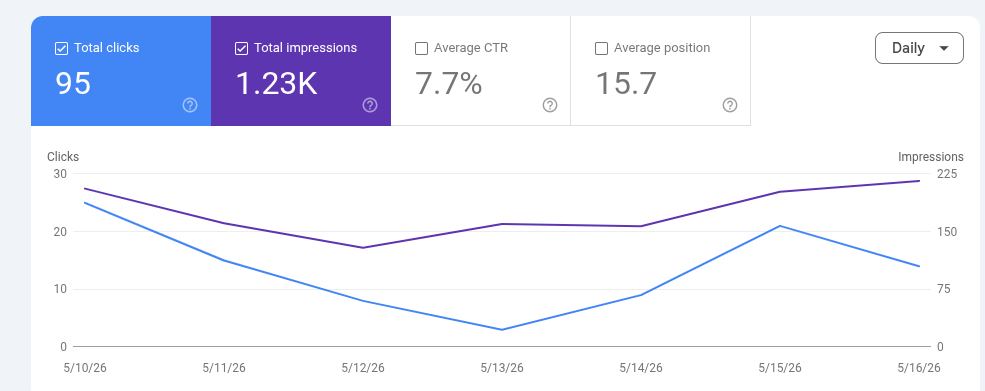
Programmatic SEO (PSEO) has become an essential strategy for businesses looking to boost their online presence and drive organic traffic in 2026. By leveraging the power of automation and data-driven insights, PSEO enables you to create highly targeted, SEO-optimized content at scale. In this comprehensive beginner's tutorial, we'll walk you through the key steps to developing a successful PSEO strategy that will help you dominate the search rankings.
Throughout this guide, we'll explore the latest trends and best practices in PSEO for 2026, providing you with actionable tips and strategies to optimize your content and improve your search visibility. We'll also introduce you to BlogHunter, a powerful tool that can help automate and streamline your PSEO efforts, saving you time and resources while maximizing your results.
Understanding the Basics of PSEO
Before we dive into the specifics of developing a PSEO strategy, let's first define what programmatic SEO is and how it differs from traditional SEO approaches. At its core, PSEO is a methodology that leverages automation and data analysis to create and optimize large volumes of SEO-friendly content. By using tools and algorithms to identify high-value keywords, generate content briefs, and optimize content for search engines, PSEO enables businesses to scale their SEO efforts and achieve better results with less manual effort.
Some key benefits of PSEO include:
- Scalability: PSEO allows you to create and optimize large volumes of content quickly and efficiently.
- Data-driven insights: By leveraging data analysis tools, PSEO helps you identify high-value keywords and topics that are most likely to drive organic traffic.
- Consistency: PSEO ensures that your content is consistently optimized for search engines, improving your overall search visibility.
- Cost-effectiveness: By automating many aspects of the SEO process, PSEO can help you save time and resources while achieving better results.
Developing Your PSEO Strategy
Step 1: Define Your Goals and Target Audience
The first step in developing a successful PSEO strategy is to define your goals and target audience. What do you hope to achieve with your PSEO efforts? Are you looking to drive more organic traffic, generate leads, or boost sales? Once you've identified your goals, you can use this information to guide your keyword research and content creation efforts.
Next, consider your target audience. Who are you trying to reach with your content? What are their needs, interests, and pain points? Understanding your audience will help you create content that resonates with them and addresses their specific needs.
Step 2: Conduct Keyword Research
Keyword research is a critical component of any PSEO strategy. By identifying high-value keywords that are relevant to your target audience, you can create content that is more likely to rank well in search engines and drive organic traffic to your website.
To conduct keyword research, start by brainstorming a list of seed keywords that are relevant to your business or niche. Then, use a keyword research tool like Ahrefs or SEMrush to identify related keywords and assess their search volume, competition, and potential traffic value. Look for keywords with high search volume and low competition, as these are the most likely to drive targeted traffic to your website.
Step 3: Create a Content Plan
Once you've identified your target keywords, the next step is to create a content plan that outlines the specific topics and formats you'll use to target those keywords. Your content plan should include a mix of blog posts, articles, landing pages, and other content types that are optimized for search engines and designed to engage your target audience.
When creating your content plan, consider the following:
- Topic relevance: Ensure that your content topics are closely aligned with your target keywords and audience interests.
- Content format: Choose content formats that are well-suited to your target keywords and audience preferences, such as how-to guides, listicles, or case studies.
- Content length: Aim for content lengths that are appropriate for your target keywords and audience engagement levels. In general, longer-form content tends to perform better in search engines, but this may vary depending on your niche and audience.
Step 4: Optimize Your Content
Once you've created your content, the next step is to optimize it for search engines. This involves a variety of on-page and off-page optimization techniques, including:
- Keyword optimization: Ensure that your target keywords are included in your content's title, headings, meta descriptions, and body copy.
- Internal linking: Link to other relevant pages on your website to help search engines understand your site structure and distribute link equity.
- External linking: Link to high-quality external sources to provide additional value to your readers and demonstrate your content's credibility.
- Mobile optimization: Ensure that your content is optimized for mobile devices, as more and more users are accessing content on their smartphones and tablets.
Step 5: Monitor and Refine Your Strategy
Finally, it's important to monitor the performance of your PSEO efforts and refine your strategy over time. Use tools like Google Analytics and Search Console to track your search rankings, organic traffic, and other key metrics, and adjust your approach as needed to optimize your results.
Some key metrics to monitor include:
- Organic traffic: Track the volume of organic traffic to your website over time to assess the effectiveness of your PSEO efforts.
- Search rankings: Monitor your search rankings for your target keywords to ensure that your content is appearing in the top positions.
- Engagement metrics: Track engagement metrics like bounce rate, time on site, and pages per session to assess how well your content is resonating with your target audience.
Automating Your PSEO Efforts with BlogHunter
While PSEO can be a highly effective strategy for boosting your search visibility and driving organic traffic, it can also be time-consuming and resource-intensive to implement manually. That's where BlogHunter comes in.
BlogHunter is a powerful tool that can help automate and streamline your PSEO efforts, saving you time and resources while maximizing your results. With BlogHunter, you can:
- Automate keyword research and content planning
- Generate SEO-optimized content briefs and outlines
- Streamline content creation and optimization
- Monitor and track your PSEO performance
By leveraging the power of automation and data-driven insights, BlogHunter can help you scale your PSEO efforts and achieve better results with less manual effort.
Conclusion
In today's competitive online landscape, PSEO has become an essential strategy for businesses looking to boost their search visibility and drive organic traffic. By following the steps outlined in this beginner's tutorial, you can develop a successful PSEO strategy that will help you achieve your goals and grow your online presence.
To get started with PSEO, consider trying BlogHunter, a powerful tool that can help automate and streamline your efforts, saving you time and resources while maximizing your results. With the right approach and the right tools, you can master PSEO in 2026 and beyond.
Grow organic traffic on auto-pilot
BlogHunter researches keywords, writes SEO posts, and publishes to your site automatically. No writers. No CMS. No manual work.
Publish Now