Why On-Page SEO Matters More Than Ever in 2026
On-page SEO remains the foundation of successful blogging in 2026, despite constant algorithm updates and changing search trends. While off-page factors like backlinks still matter, search engines have become incredibly sophisticated at understanding content quality, relevance, and user intent directly from your web pages.
The difference between a well-optimized blog post and a poorly optimized one can mean thousands of visitors—or none at all. In 2026's competitive digital landscape, you can't afford to ignore on-page SEO fundamentals. The good news is that these techniques are entirely within your control, unlike many off-page factors.
The Evolution of On-Page SEO in 2026
Search algorithms have evolved dramatically, focusing more on user experience signals, semantic understanding, and content depth. Google's latest updates prioritize pages that truly satisfy user intent over those that simply stuff keywords. This means your on-page SEO strategy needs to be more sophisticated than ever.
Modern on-page SEO combines traditional optimization techniques with user experience principles. It's not just about pleasing search engines—it's about creating content that readers love while making it easy for search engines to understand and rank your content appropriately.
Essential On-Page SEO Elements for Blog Success
Crafting Perfect Title Tags and Meta Descriptions
Your title tag is often the first thing both search engines and users see. In 2026, optimal title tags should be 50-60 characters long and include your primary keyword near the beginning. However, don't sacrifice readability for keyword placement—your title needs to compel clicks.
Meta descriptions, while not a direct ranking factor, significantly impact click-through rates. Write compelling 150-160 character descriptions that include your target keyword and create curiosity. Think of them as ad copy that convinces searchers your content is exactly what they need.
Header Structure and Content Organization
Proper header hierarchy (H1, H2, H3) helps both readers and search engines understand your content structure. Your H1 should match your title tag and contain your primary keyword. Use H2s for main sections and H3s for subsections, naturally incorporating related keywords throughout.
Search engines use these headers to understand content relationships and topic coverage. A well-structured article signals comprehensive coverage of your topic, potentially improving your chances of ranking for multiple related queries.
URL Optimization Best Practices
Clean, descriptive URLs remain crucial for on-page SEO. Include your primary keyword in the URL, keep it short (3-5 words), and use hyphens to separate words. Avoid stop words like "and," "the," or "of" that don't add SEO value.
Static URLs perform better than dynamic ones with parameters. For example, "yourblog.com/on-page-seo-tips" beats "yourblog.com/post?id=12345" every time. This clarity helps search engines and users understand what your page is about before clicking.
Content Optimization Strategies for 2026
Keyword Integration Without Over-Optimization
The days of keyword stuffing are long gone. In 2026, focus on semantic keyword integration—using your primary keyword naturally along with related terms and synonyms. Search engines now understand topic context, so variety in your language actually helps your SEO.
Include your primary keyword in the first 100 words, in at least one subheading, and naturally throughout the content. But prioritize natural flow over forced keyword placement. Read your content aloud—if it sounds awkward, it probably needs adjustment.
Content Length and Depth Considerations
While longer content often performs better, quality trumps quantity every time. In 2026, the ideal blog post length depends on your topic and competition. For highly competitive keywords, comprehensive guides of 2,000+ words often rank best. For simpler topics, 800-1,200 words might suffice.
Focus on covering your topic thoroughly rather than hitting a specific word count. Answer all potential questions a reader might have, include examples and case studies, and provide actionable takeaways. Depth of coverage matters more than sheer volume.
Internal Linking Strategies
Strategic internal linking distributes page authority throughout your site and helps search engines discover and understand your content relationships. Link to relevant older posts using descriptive anchor text that includes related keywords.
Create content hubs around main topics, linking related articles together. This establishes topical authority and keeps readers engaged longer. However, avoid excessive linking—only link when it genuinely adds value to the reader's experience.
Technical On-Page SEO Factors
Mobile Optimization and Page Speed
With mobile-first indexing being standard since 2021, mobile optimization is non-negotiable in 2026. Ensure your blog has a responsive design that works flawlessly on all devices. Test your site on various screen sizes and fix any mobile usability issues.
Page speed remains a critical ranking factor. Optimize images, leverage browser caching, minimize HTTP requests, and consider a content delivery network (CDN). Aim for load times under 3 seconds—every second counts for both SEO and user experience.
Image Optimization Techniques
Images enhance user engagement but can slow your site if not optimized properly. Use descriptive file names with keywords (e.g., "on-page-seo-checklist.jpg"), compress images without quality loss, and always include alt text describing the image content.
Alt text serves multiple purposes: it helps visually impaired users, provides context to search engines, and can appear in image search results. Write concise, descriptive alt text that includes relevant keywords when appropriate.
Schema Markup Implementation
Schema markup helps search engines understand your content context and can lead to rich snippets in search results. For blogs, consider implementing Article schema, FAQ schema (where applicable), and BreadcrumbList schema to enhance search visibility.
While schema doesn't directly impact rankings, rich snippets can significantly improve click-through rates. Test your markup using Google's Rich Results Test tool to ensure proper implementation.
Once drafts become the bottleneck, a bulk publishing workflow that writes, hosts, and publishes in one place can remove the manual steps without changing your strategy.
Advanced On-Page SEO Techniques
E-A-T Optimization
Expertise, Authoritativeness, and Trustworthiness (E-A-T) have become increasingly important ranking factors. Establish your expertise by including author bios with credentials, citing reputable sources, and providing accurate, well-researched information.
Build trust through transparent contact information, privacy policies, and secure HTTPS implementation. For YMYL (Your Money or Your Life) topics, E-A-T signals are even more critical for ranking success.
Content Freshness and Updates
Search engines favor fresh, up-to-date content. Regularly update your existing posts with current information, new examples, and improved insights. Add a "Last Updated" date to signal freshness to both users and search engines.
Consider creating "evergreen" content that remains relevant over time, but don't be afraid to publish timely content about current trends and developments in your niche. A mix of both strategies works best for most blogs.
User Engagement Signals
While not direct ranking factors, user engagement metrics like time on page, bounce rate, and pages per session indirectly influence SEO. Improve these metrics by creating compelling introductions, using multimedia elements, and ensuring your content delivers on its promise.
Encourage comments and social sharing to increase engagement. Longer time on page signals to search engines that your content satisfies user intent, potentially improving your rankings over time.
Common On-Page SEO Mistakes to Avoid
Keyword Stuffing and Over-Optimization
Forcing keywords into every sentence or using the same keyword too frequently creates a poor reading experience and can trigger search engine penalties. Focus on natural language and semantic relevance instead of exact match keyword density.
Watch for over-optimized anchor text in internal links. Vary your anchor text naturally and only link when it provides genuine value to readers.
Ignoring User Intent
Creating content that doesn't match what searchers actually want is a common mistake. Research search intent before writing—are users looking for information, wanting to make a purchase, or seeking a specific website? Tailor your content to match that intent.
Analyze top-ranking pages for your target keywords to understand what type of content Google considers most relevant. Then create something even better that fully satisfies that intent.
Neglecting Technical SEO Basics
Broken links, duplicate content, missing alt text, and slow loading times all hurt your on-page SEO efforts. Use tools like Google Search Console and Screaming Frog to identify and fix technical issues regularly.
Ensure your site has a clear site structure with logical navigation. Every page should be accessible within a few clicks from your homepage, and your internal linking should create a coherent content hierarchy.
Measuring On-Page SEO Success
Key Performance Indicators to Track
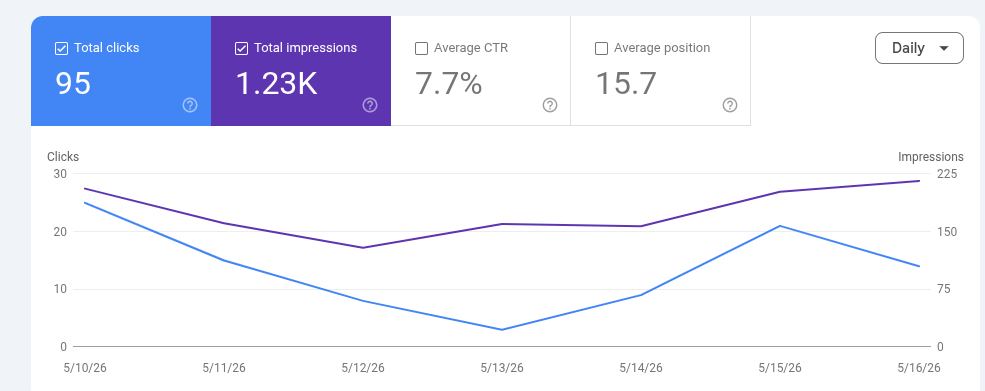
Monitor organic traffic growth, keyword rankings, click-through rates, and conversion rates to measure your on-page SEO effectiveness. Use Google Analytics and Google Search Console to track these metrics over time.
Pay attention to which pages perform best and analyze what they have in common. Look for patterns in content length, topic selection, and optimization techniques that correlate with success.
Tools for On-Page SEO Analysis
Several tools can help you analyze and improve your on-page SEO. Yoast SEO and Rank Math are popular WordPress plugins that provide real-time optimization suggestions. SEMrush and Ahrefs offer comprehensive site audits and keyword tracking.
Google's own tools—PageSpeed Insights, Mobile-Friendly Test, and Rich Results Test—provide valuable insights into technical performance and potential issues.
Automating On-Page SEO with BlogHunter
How BlogHunter Streamlines SEO Optimization
Managing on-page SEO for multiple blog posts can be time-consuming and complex. BlogHunter automates many of these tasks, helping you maintain consistent optimization across your entire content library without the manual effort.
The platform analyzes your content against current SEO best practices, suggesting improvements for title tags, meta descriptions, header structure, and keyword integration. It even helps identify internal linking opportunities you might have missed.
Benefits of Automated SEO Management
With BlogHunter, you can ensure every blog post meets on-page SEO standards before publication. The tool provides real-time feedback as you write, catching potential issues early in the content creation process rather than after publication.
Automated audits help you identify underperforming pages that need updates, track your optimization progress over time, and maintain consistency across your entire blog. This systematic approach leads to better overall search performance.
Conclusion: Mastering On-Page SEO for Long-Term Success
On-page SEO in 2026 requires a balanced approach that combines technical optimization with user-focused content creation. By implementing the strategies outlined in this guide—from proper header structure and keyword integration to mobile optimization and E-A-T principles—you'll create blog content that both search engines and readers love.
Remember that on-page SEO is an ongoing process, not a one-time task. Regularly audit your existing content, stay updated on algorithm changes, and continuously refine your optimization techniques. The bloggers who succeed in 2026 will be those who master both the art of content creation and the science of on-page SEO.
Ready to take your on-page SEO to the next level? Try BlogHunter today and discover how automated optimization can transform your blog's search performance. With the right tools and strategies, you can achieve higher rankings, more organic traffic, and greater blogging success in 2026 and beyond.
Grow organic traffic on auto-pilot
BlogHunter researches keywords, writes SEO posts, and publishes to your site automatically. No writers. No CMS. No manual work.
Publish Now