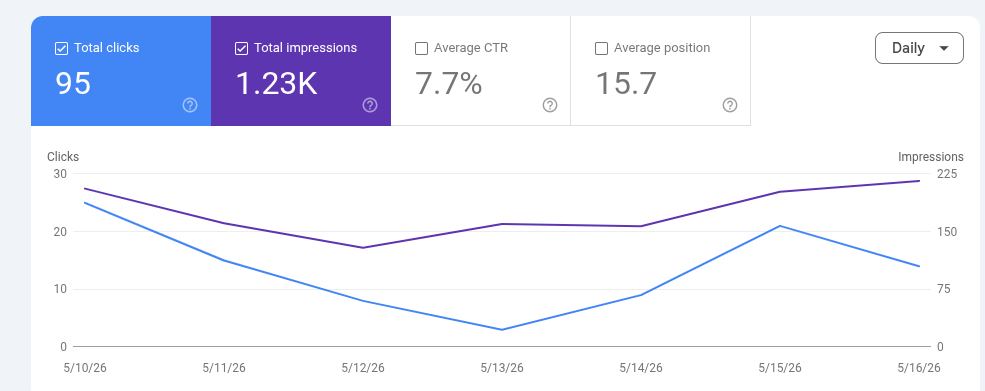
In the ever-evolving landscape of digital marketing, staying ahead of the curve is crucial. As we navigate through 2026, one strategy that continues to prove its worth is the pillar content strategy. This approach not only enhances your SEO efforts but also establishes your authority in your niche. In this comprehensive guide, we'll delve into the intricacies of pillar content strategy, providing you with actionable insights and practical tips to implement it effectively.
Understanding Pillar Content Strategy
Pillar content strategy is a method of organizing your website's content around a central, comprehensive piece of content (the pillar) that covers a broad topic in-depth. This pillar is then supported by cluster content, which are smaller, more specific articles that link back to the pillar. This structure not only improves your site's SEO but also enhances user experience by providing a clear, logical path for readers to follow.
Why Pillar Content Strategy Matters in 2026
In 2026, search engines are more sophisticated than ever, prioritizing user experience and content relevance. Here's why pillar content strategy is essential:
- Improved SEO: By organizing your content around a central theme, you signal to search engines that your site is an authority on that topic.
- Enhanced User Experience: Readers can easily navigate through related content, keeping them engaged and on your site longer.
- Increased Authority: Comprehensive pillar content establishes your site as a go-to resource, building trust with your audience.
Creating Your Pillar Content
Identifying Your Pillar Topics
The first step in creating a pillar content strategy is identifying the broad topics that are most relevant to your audience. These topics should be comprehensive enough to warrant multiple supporting articles. Here's how to identify them:
- Keyword Research: Use tools like Google Keyword Planner or SEMrush to identify high-volume, relevant keywords.
- Audience Analysis: Understand your audience's pain points and interests through surveys, social media interactions, and analytics.
- Competitor Analysis: Look at what your competitors are doing and identify gaps in their content that you can fill.
Crafting Your Pillar Content
Once you've identified your pillar topics, it's time to create the content. Here are some tips for crafting effective pillar content:
- Comprehensive Coverage: Ensure your pillar content covers the topic in-depth, providing valuable information that readers can't find elsewhere.
- Engaging Format: Use a mix of text, images, videos, and infographics to keep readers engaged.
- SEO Optimization: Incorporate relevant keywords naturally, use header tags (H2, H3) to structure your content, and include internal and external links.
Building Your Content Clusters
Creating Cluster Content
Cluster content are smaller, more specific articles that support your pillar content. They should link back to the pillar and provide additional details on subtopics. Here's how to create effective cluster content:
- Identify Subtopics: Break down your pillar topic into smaller, more specific subtopics.
- Create Detailed Articles: Each cluster article should provide detailed information on its subtopic, linking back to the pillar content.
- Optimize for SEO: Use relevant keywords, header tags, and internal links to optimize your cluster content.
Linking Strategy
A crucial aspect of pillar content strategy is the linking structure. Here's how to implement an effective linking strategy:
Once drafts become the bottleneck, a bulk publishing workflow that writes, hosts, and publishes in one place can remove the manual steps without changing your strategy.
- Internal Links: Link your cluster content back to the pillar content and vice versa. This helps search engines understand the relationship between your articles.
- External Links: Include links to authoritative external sources to provide additional value to your readers.
- Anchor Text: Use descriptive anchor text for your links to improve SEO and user experience.
Optimizing Your Pillar Content Strategy
Regular Updates
In 2026, keeping your content up-to-date is more important than ever. Regularly review and update your pillar and cluster content to ensure it remains relevant and accurate. This not only improves your SEO but also keeps your audience engaged.
Promotion and Distribution
Creating great content is only half the battle. You also need to promote and distribute it effectively. Here are some strategies:
- Social Media: Share your content on social media platforms to reach a wider audience.
- Email Marketing: Use email newsletters to promote your content to your subscribers.
- Influencer Outreach: Collaborate with influencers in your niche to amplify your content's reach.
Measuring Success
To ensure your pillar content strategy is effective, you need to measure its success. Here are some key metrics to track:
- Traffic: Monitor the number of visitors to your pillar and cluster content.
- Engagement: Track metrics like time on page, bounce rate, and social shares.
- Conversions: Measure the number of leads or sales generated from your content.
Automating Your Pillar Content Strategy with BlogHunter
In 2026, leveraging technology to automate and streamline your content strategy is a game-changer. BlogHunter is a powerful tool that can help you automate various aspects of your pillar content strategy. Here's how:
- Content Creation: BlogHunter can generate high-quality, SEO-optimized articles and blog posts, saving you time and effort.
- Keyword Research: The tool can identify relevant keywords and topics, helping you create a robust content plan.
- Content Optimization: BlogHunter can analyze your content and suggest improvements to enhance its SEO performance.
By using BlogHunter, you can focus on the strategic aspects of your pillar content strategy while the tool handles the heavy lifting of content creation and optimization.
Conclusion
In 2026, a well-executed pillar content strategy is more important than ever for achieving SEO success and establishing your authority in your niche. By following the steps outlined in this guide, you can create a robust pillar content strategy that drives traffic, engages your audience, and boosts your search engine rankings.
Remember, the key to a successful pillar content strategy is continuous optimization and promotion. Regularly update your content, promote it effectively, and measure its success to ensure it remains relevant and valuable to your audience.
Ready to take your pillar content strategy to the next level? Try BlogHunter today and experience the power of automated content creation and optimization. With BlogHunter, you can streamline your content strategy and focus on what truly matters—growing your business and engaging your audience.
Grow organic traffic on auto-pilot
BlogHunter researches keywords, writes SEO posts, and publishes to your site automatically. No writers. No CMS. No manual work.
Publish Now