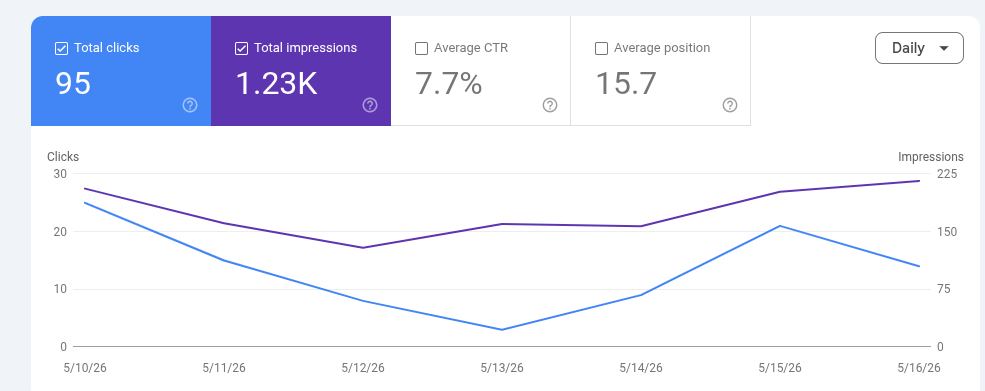
In the ever-evolving world of search engine optimization (SEO), staying updated with the latest strategies is crucial for maintaining and improving your rankings in the SERP. As we navigate through 2026, on-page SEO remains a cornerstone for driving organic traffic to your blog or website. This guide will walk you through simple yet effective on-page SEO strategies that are proven to work in 2026.
Understanding On-Page SEO in 2026
On-page SEO refers to the practice of optimizing individual web pages to rank higher and earn more relevant traffic in search engines. Unlike off-page SEO, which involves activities like building backlinks, on-page SEO focuses on elements within your control on your own website.
In 2026, search engines like Google have become even more sophisticated, prioritizing user experience, content quality, and semantic relevance. Therefore, a well-rounded on-page SEO strategy must address these aspects to be effective.
Keyword Research and Optimization
Finding the Right Keywords
Keyword research is the foundation of any successful SEO strategy. In 2026, it's not just about finding high-volume keywords but also understanding user intent and semantic variations.
- Use Advanced Tools: Leverage tools like BlogHunter, Ahrefs, or SEMrush to identify trending keywords and their search volumes.
- Focus on Long-Tail Keywords: Long-tail keywords are less competitive and more specific, making them easier to rank for and more likely to convert.
- Analyze Competitor Keywords: Look at what keywords your competitors are ranking for and identify gaps in their strategies.
Optimizing Keyword Placement
Once you've identified your target keywords, the next step is to strategically place them within your content.
- Title Tag: Include your primary keyword in the title tag, preferably near the beginning.
- Meta Description: While meta descriptions don't directly impact rankings, they influence click-through rates. Include your keyword naturally.
- Header Tags: Use H1, H2, and H3 tags to structure your content and include keywords where relevant.
- Body Content: Sprinkle your keywords naturally throughout the body of your articles. Avoid keyword stuffing, as it can harm your rankings.
- URL Structure: Ensure your URLs are clean and include your primary keyword.
Content Quality and Relevance
Creating High-Quality Content
In 2026, search engines prioritize high-quality, informative, and engaging content. Here's how you can ensure your content meets these standards:
- Originality: Plagiarism is a big no-no. Ensure your content is original and provides unique insights.
- Depth and Detail: Comprehensive articles that cover a topic in-depth tend to perform better in search results.
- Readability: Use clear and concise language, short paragraphs, and bullet points to improve readability.
- Multimedia: Incorporate images, videos, and infographics to make your content more engaging and shareable.
Semantic SEO and Topic Clusters
Semantic SEO involves optimizing your content for related terms and concepts, not just exact-match keywords. This approach helps search engines understand the context and relevance of your content.
- Topic Clusters: Create a pillar page that covers a broad topic and link it to cluster pages that delve into specific subtopics.
- LSI Keywords: Use Latent Semantic Indexing (LSI) keywords to provide context and improve semantic relevance.
- Internal Linking: Link related articles within your website to create a network of interconnected content.
Technical On-Page SEO
Mobile Optimization
With the majority of internet users accessing content via mobile devices, mobile optimization is more critical than ever in 2026.
Once drafts become the bottleneck, a bulk publishing workflow that writes, hosts, and publishes in one place can remove the manual steps without changing your strategy.
- Responsive Design: Ensure your website is responsive and adapts to different screen sizes.
- Page Speed: Optimize your website's loading speed by compressing images, leveraging browser caching, and minimizing CSS and JavaScript files.
- Mobile-Friendly Content: Use larger fonts, clear navigation, and touch-friendly buttons to enhance the mobile user experience.
Structured Data and Schema Markup
Structured data helps search engines understand the content on your page better, which can lead to rich snippets and improved visibility in the SERP.
- Schema Markup: Implement schema markup to provide additional context about your content, such as reviews, ratings, and events.
- JSON-LD: Use JSON-LD format for structured data, as it's recommended by Google and easier to implement.
- Testing Tools: Use Google's Rich Results Test to ensure your structured data is correctly implemented.
User Experience and Engagement
Improving Dwell Time
Dwell time, the amount of time a user spends on your page, is a crucial factor in SEO. Longer dwell times signal to search engines that your content is valuable and engaging.
- Engaging Introductions: Start your articles with a compelling hook to grab the reader's attention.
- Subheadings and Bullet Points: Break up your content into digestible chunks to make it easier to read.
- Interactive Elements: Incorporate quizzes, polls, and interactive infographics to keep users engaged.
Reducing Bounce Rate
A high bounce rate can negatively impact your rankings. Here's how you can reduce it:
- Relevant Content: Ensure your content matches the user's search intent.
- Internal Linking: Guide users to related articles to keep them on your site longer.
- Clear Call-to-Actions (CTAs): Use CTAs to encourage users to explore more content or take a specific action.
Automating On-Page SEO with BlogHunter
Manually optimizing each blog post for on-page SEO can be time-consuming. This is where BlogHunter comes in. BlogHunter is an advanced tool designed to automate and streamline your SEO efforts.
- Keyword Optimization: BlogHunter analyzes your content and suggests optimal keyword placement and density.
- Content Analysis: Get insights into your content's readability, semantic relevance, and overall quality.
- Technical SEO: BlogHunter identifies technical issues like broken links, missing alt tags, and slow-loading pages.
- Performance Tracking: Monitor your rankings and organic traffic with comprehensive analytics.
By leveraging BlogHunter, you can save time and ensure your on-page SEO is always up to par with the latest standards in 2026.
Conclusion
In 2026, on-page SEO remains a vital component of any successful digital marketing strategy. By focusing on keyword research, content quality, technical SEO, and user experience, you can significantly improve your rankings and drive more organic traffic to your website.
Remember, SEO is an ongoing process. Regularly update your content, stay informed about the latest trends, and leverage tools like BlogHunter to automate and optimize your efforts. Start implementing these simple on-page SEO strategies today and watch your blog thrive in the competitive digital landscape of 2026.
Ready to take your on-page SEO to the next level? Try BlogHunter today and see the difference it can make for your blog!
Grow organic traffic on auto-pilot
BlogHunter researches keywords, writes SEO posts, and publishes to your site automatically. No writers. No CMS. No manual work.
Publish Now