What Is Content Repurposing and Why Does It Matter in 2026?
Content repurposing is the strategic process of taking existing content and transforming it into new formats, platforms, or mediums to reach different audiences and maximize your content's value. Instead of constantly creating new articles, blog posts, and media from scratch, you're leveraging what you already have to extend its lifespan and reach.
In 2026, content repurposing has become more essential than ever. With the explosion of content across platforms and the increasing demand for diverse media formats, creators who don't repurpose are leaving massive opportunities on the table. The average consumer now engages with content across 7-8 different platforms daily, making it crucial to meet your audience where they are.
The benefits are substantial: increased ROI on your content creation efforts, improved SEO through multiple content pieces targeting different keywords, broader audience reach, and more efficient use of your time and resources. For beginners, content repurposing offers a shortcut to building a comprehensive content strategy without the overwhelming pressure of constant creation.
The Content Repurposing Mindset: Thinking Beyond Single-Use Content
Before diving into specific strategies, it's important to adopt the right mindset. Content repurposing requires thinking of your content as building blocks rather than one-off pieces. Every article, blog post, video, or podcast episode you create should be viewed as raw material that can be transformed into multiple pieces of content.
Ask yourself these questions when creating new content: "How can this be broken down into smaller pieces?" "What other formats would this work well in?" "Which platforms would benefit from this information?" This forward-thinking approach will dramatically increase your content output without increasing your workload.
The key is to create with repurposing in mind. When writing an article, consider what quotes could become social media posts, what data could become infographics, and what sections could be expanded into separate pieces. This proactive approach makes the repurposing process much smoother and more effective.
Getting Started: Content Audit and Planning
The first step in your content repurposing journey is conducting a content audit. Review all your existing articles, blog posts, videos, podcasts, and other media to identify high-performing content that deserves a second life. Look for pieces that:
- Generated significant traffic or engagement
- Cover evergreen topics that remain relevant
- Contain valuable information that could be presented differently
- Address questions your audience frequently asks
Once you've identified your best content, create a repurposing plan. Map out which pieces will be transformed into which formats and on which platforms. Consider your audience's preferences and where they spend their time online. A comprehensive plan prevents overwhelm and ensures you're targeting the right channels.
Tools like BlogHunter can significantly streamline this process by helping you identify your top-performing content and suggesting optimal repurposing strategies based on current trends and platform algorithms.
Content Repurposing Strategies for Beginners
1. Blog Post to Multiple Social Media Posts
One of the simplest repurposing strategies is breaking down a comprehensive blog post into multiple social media posts. Extract key quotes, statistics, or tips and format them for different platforms. For example, a 2000-word article about "Content Marketing Strategies" could become:
- 5-7 Twitter/X threads with individual tips
- 3-4 LinkedIn posts with professional insights
- Multiple Instagram quote graphics
- Facebook posts with discussion prompts
Each social post should link back to the original article, driving traffic while providing value in the platform's native format.
2. Articles to Video Scripts and YouTube Content
Transform your written content into video scripts for YouTube, TikTok, or Instagram Reels. Take the main points from your article and structure them as talking points for a video. This works particularly well for how-to guides, tutorials, and list-based content.
For example, an article titled "10 SEO Tips for Beginners" becomes a video script where you discuss each tip with visual examples. You can create a long-form YouTube video covering all tips, then break it down into shorter clips for TikTok or Instagram Reels.
3. Blog Posts to Podcast Episodes
Many people prefer audio content over reading. Convert your articles into podcast episodes by expanding on the written content with additional examples, stories, or interviews. The conversational nature of podcasts allows you to dive deeper into topics than you might in written form.
Start with an introduction that acknowledges the article's existence, then expand on each point as if you're having a conversation with your audience. This creates a complementary relationship between your written and audio content.
4. Creating Infographics and Visual Content
Transform data-heavy or step-by-step articles into infographics, slide decks, or visual guides. Tools like Canva make this process accessible even for beginners. Infographics are highly shareable and can generate backlinks when other sites reference your visual content.
A comprehensive guide on "Content Marketing Strategy" could become an infographic showing the marketing funnel, key statistics, or a step-by-step visual guide. Share these on Pinterest, LinkedIn, and your blog to reach visual learners.
5. Email Newsletter Series from Long-Form Content
Break down extensive articles or guides into a series of email newsletters. Each email can cover one section or tip from your original content, with a link to read the full article. This approach keeps your audience engaged over time and drives consistent traffic to your website.
For instance, a "Complete Guide to Content Marketing" could become a 5-7 email series, with each email focusing on a different aspect like strategy, creation, distribution, measurement, and optimization.
Advanced Content Repurposing Techniques
6. Creating Online Courses and Workshops
Take your most comprehensive content and transform it into an online course or workshop. Break down the information into modules, add practical exercises, and create a structured learning experience. This works exceptionally well for educational content, how-to guides, and industry expertise.
A series of blog posts about "Digital Marketing Fundamentals" could become a 4-week online course with video lessons, worksheets, and a community component. This not only repurposes your content but also creates a new revenue stream.
7. Developing eBooks and Lead Magnets
Compile related blog posts into comprehensive eBooks or create exclusive lead magnets. This strategy works well for building your email list while providing additional value to your audience. Update and expand the content to make the eBook more valuable than the individual posts.
Group 5-10 related articles into a cohesive eBook on a specific topic. Add new insights, examples, and actionable steps to make it worth downloading. Use this as a lead magnet to grow your email list and establish authority in your niche.
8. Guest Posts and Collaborative Content
Adapt your content for guest posting opportunities on other websites. This exposes your content to new audiences while building backlinks. Modify the content to fit the host site's audience and guidelines, but maintain the core value of your original piece.
Take a successful article from your blog and adapt it for a guest post on an industry website. Update statistics, add new insights, and tailor the tone to match the host site's audience while maintaining your unique perspective.
Tools and Resources for Content Repurposing
Several tools can streamline your content repurposing efforts. For content creation and editing, tools like Grammarly and Hemingway Editor ensure your repurposed content maintains high quality. Design tools like Canva and Adobe Express help create visual content without extensive design skills.
For video creation, tools like Descript, Loom, and Adobe Premiere Rush make it easy to create professional videos from your content. Audio tools like Audacity and Anchor help with podcast production. Social media scheduling tools like Buffer and Hootsuite help distribute your repurposed content across platforms.
BlogHunter stands out as a comprehensive solution for content repurposing in 2026. It helps identify your best content for repurposing, suggests optimal formats based on current trends, and can even automate some aspects of the repurposing process. The platform's AI-powered insights ensure you're focusing on content that will generate the highest ROI.
Common Content Repurposing Mistakes to Avoid
While content repurposing is powerful, there are common pitfalls beginners should avoid. The most frequent mistake is simply copying and pasting content across platforms without adapting it to the platform's unique characteristics. Each platform has its own best practices, audience expectations, and content formats.
Another mistake is repurposing low-quality or underperforming content. Focus your efforts on content that has already proven valuable to your audience. Repurposing poor content just creates more poor content in different formats.
Don't neglect to update your content before repurposing. Information becomes outdated quickly, especially in fast-moving industries. Always verify statistics, update examples, and ensure your content reflects current best practices before transforming it into new formats.
Finally, avoid spreading yourself too thin across too many platforms. It's better to do an excellent job repurposing content for 2-3 key platforms than to create mediocre content for every available channel.
Measuring Success and Optimizing Your Strategy
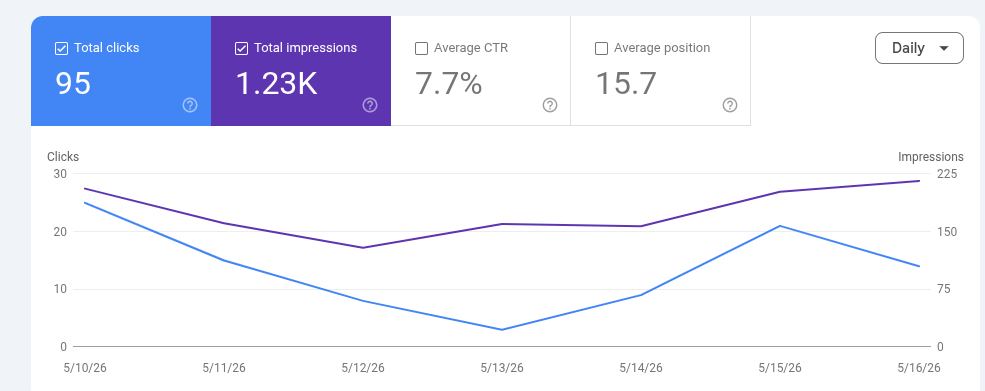
To ensure your content repurposing efforts are effective, establish clear metrics for success. Track engagement rates, traffic, conversions, and audience growth across different platforms. Use analytics tools to understand which repurposing strategies work best for your audience.
Pay attention to which formats generate the most engagement, which platforms drive the most traffic, and which content pieces have the longest lifespan. Use these insights to refine your repurposing strategy over time. What works for one creator or business might not work for another, so continuous optimization is key.
Set up proper tracking for your repurposed content. Use UTM parameters for links, create platform-specific landing pages, and monitor how different content formats contribute to your overall marketing goals. This data-driven approach ensures you're investing your time and resources wisely.
Building a Sustainable Content Repurposing System
The goal is to create a system that makes content repurposing a natural part of your content creation process rather than an afterthought. Develop templates for different content formats, create a content calendar that incorporates repurposed pieces, and establish workflows that make the process efficient.
Consider batch processing your repurposing efforts. Dedicate specific days to transforming content into different formats, rather than trying to repurpose content as you create it. This focused approach often leads to better results and less overwhelm.
Remember that content repurposing is a skill that improves with practice. Start with simple strategies and gradually incorporate more advanced techniques as you become comfortable with the process. The more you repurpose, the more intuitive it becomes to see content in terms of its repurposing potential.
Conclusion: Your Content Repurposing Journey Starts Now
Content repurposing is no longer optional in 2026—it's a fundamental strategy for content creators who want to maximize their impact while minimizing their workload. By transforming your existing content into multiple formats and distributing it across various platforms, you're not just saving time; you're significantly expanding your reach and authority.
Start with a content audit, identify your best-performing pieces, and choose one or two repurposing strategies to implement. As you become more comfortable with the process, expand to additional formats and platforms. Remember that quality always trumps quantity—it's better to do a few things exceptionally well than to do everything poorly.
The tools and strategies outlined in this tutorial provide a solid foundation for your content repurposing journey. With practice and persistence, you'll develop a system that allows you to create more impact with less effort, ultimately growing your audience and achieving your content marketing goals more efficiently.
Ready to take your content repurposing to the next level? BlogHunter can help automate and optimize your content repurposing strategy, ensuring you get the maximum value from every piece of content you create. Try BlogHunter today and discover how easy content repurposing can be when you have the right tools and guidance.
Grow organic traffic on auto-pilot
BlogHunter researches keywords, writes SEO posts, and publishes to your site automatically. No writers. No CMS. No manual work.
Publish Now