Master Programmatic SEO in 2026: Step-by-Step Guide
In the ever-evolving landscape of search engine optimization (SEO), staying ahead of the curve is crucial for maintaining strong rankings and driving organic traffic. Programmatic SEO, a method that leverages automation and data-driven strategies, has emerged as a game-changer in 2026. This step-by-step guide will walk you through the process of mastering programmatic SEO, helping you to optimize your website for better visibility and higher search engine results page (SERP) rankings.
Understanding Programmatic SEO
Programmatic SEO involves using automated tools and processes to create and optimize large volumes of web pages. This approach is particularly effective for websites with extensive content libraries, such as e-commerce sites, directories, and informational websites. By automating the creation and optimization of web pages, you can efficiently scale your SEO efforts and achieve better results.
Step 1: Identify Your Keywords
Keywords are the foundation of any successful SEO strategy. Start by identifying the primary and secondary keywords that are relevant to your niche. Use keyword research tools like Google Keyword Planner, Ahrefs, or SEMrush to find high-volume, low-competition keywords that your target audience is searching for.
Tips for Effective Keyword Research
- Use long-tail keywords to target specific search queries.
- Analyze your competitors' keywords to identify gaps in your strategy.
- Consider user intent when selecting keywords.
Step 2: Create a Content Template
Once you have your keywords, the next step is to create a content template. This template will serve as the blueprint for your automated content. Include placeholders for dynamic content, such as product names, descriptions, and prices. Ensure that your template is SEO-friendly, with proper use of headers, meta tags, and internal links.
Best Practices for Content Templates
- Use clear and concise language.
- Include relevant keywords naturally.
- Optimize for readability with short paragraphs and bullet points.
Step 3: Automate Content Generation
With your content template in place, it's time to automate the content generation process. Use tools like BlogHunter to streamline the creation of high-quality, SEO-optimized content. BlogHunter leverages AI and machine learning to generate content that is both informative and engaging, saving you time and effort.
To get started with BlogHunter, simply input your keywords and content template. The tool will automatically generate a series of optimized pages, complete with meta tags, headers, and internal links. This allows you to scale your content production effortlessly, ensuring that every page on your website is optimized for search engines.
Step 4: Optimize for On-Page SEO
On-page SEO is crucial for improving your website's rankings. Ensure that each page includes relevant keywords in the title tags, meta descriptions, headers, and body content. Use descriptive URLs and alt tags for images to enhance accessibility and SEO.
On-Page SEO Checklist
- Include primary keywords in the title tag.
- Write compelling meta descriptions to improve click-through rates.
- Use header tags (H1, H2, H3) to structure your content.
- Optimize images with descriptive alt tags.
Step 5: Build High-Quality Backlinks
Backlinks are a critical component of SEO. They signal to search engines that your content is valuable and authoritative. Aim to build high-quality backlinks from reputable websites in your niche. Guest blogging, resource page link building, and broken link building are effective strategies for acquiring backlinks.
Strategies for Building Backlinks
- Identify high-authority websites in your niche.
- Create valuable content that other websites will want to link to.
- Reach out to website owners and editors for guest blogging opportunities.
Step 6: Monitor and Analyze Performance
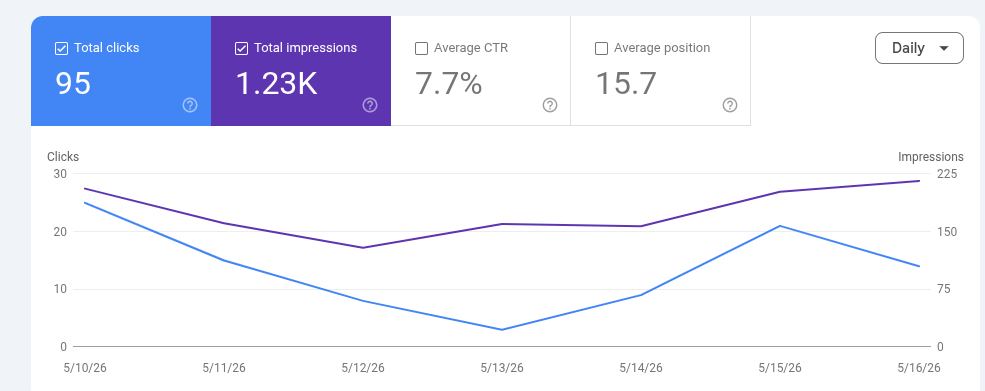
Regularly monitor your website's performance using tools like Google Analytics and Search Console. Track key metrics such as organic traffic, bounce rates, and conversion rates. Analyze the data to identify areas for improvement and adjust your strategies accordingly.
Key Metrics to Monitor
- Organic traffic
- Bounce rates
- Conversion rates
- Keyword rankings
Step 7: Continuously Improve
SEO is an ongoing process. Continuously update your content, optimize your keywords, and refine your strategies based on performance data. Stay informed about the latest trends and algorithms in search engine optimization to ensure that your website remains competitive.
As we move through 2026, it's essential to adapt to the evolving landscape of SEO. By leveraging programmatic SEO techniques and tools like BlogHunter, you can streamline your content creation process, improve your rankings, and drive more organic traffic to your website.
Conclusion
Mastering programmatic SEO in 2026 is essential for staying ahead in the competitive world of search engine optimization. By following these steps—identifying keywords, creating content templates, automating content generation with tools like BlogHunter, optimizing for on-page SEO, building high-quality backlinks, monitoring performance, and continuously improving—you can achieve better rankings and drive more organic traffic to your website.
Ready to take your SEO efforts to the next level? Try BlogHunter today and experience the power of automated, data-driven SEO strategies. Sign up now and start optimizing your content for better visibility and higher rankings.
Grow organic traffic on auto-pilot
BlogHunter researches keywords, writes SEO posts, and publishes to your site automatically. No writers. No CMS. No manual work.
Publish Now