Introduction to SEO for Bloggers
SEO for bloggers has evolved dramatically in recent years, and 2026 brings new challenges and opportunities for content creators looking to rank higher in search results. As search engines become more sophisticated with AI-driven algorithms, bloggers need to adapt their strategies to stay competitive and capture organic traffic effectively.
The foundation of successful SEO for bloggers lies in understanding that it's not just about keywords anymore—it's about creating comprehensive, valuable content that serves user intent while following technical best practices. Whether you're a beginner blogger or looking to refine your existing strategy, this step-by-step guide will walk you through proven SEO techniques that work in 2026.
Before diving into the technical aspects, it's crucial to understand that SEO for bloggers requires patience and consistency. Unlike paid advertising, organic search optimization takes time to show results, but the long-term benefits are substantial. Bloggers who master SEO can enjoy sustainable traffic growth, increased authority in their niche, and better monetization opportunities.
Step 1: Keyword Research and Strategy
Effective SEO for bloggers begins with thorough keyword research. In 2026, keyword research goes beyond simple search volume metrics—it's about understanding user intent, search trends, and competitive landscape.
Understanding Modern Keyword Research
Start by identifying your blog's core topics and niche. Use tools like Google Keyword Planner, Ahrefs, or SEMrush to discover relevant keywords. Focus on long-tail keywords that have lower competition but higher conversion potential. For example, instead of targeting "blogging tips," consider "blogging tips for beginners in 2026" or "how to start a blog and make money."
Analyze search intent behind each keyword. Are users looking for information, trying to make a purchase, or seeking specific solutions? Understanding this helps you create content that matches what searchers actually want. This alignment between content and user intent is crucial for SEO success in 2026.
Keyword Mapping and Content Planning
Create a keyword map that organizes your target keywords by topic clusters. This approach helps establish topical authority and creates a logical content structure that search engines favor. Group related keywords and plan content that addresses multiple search queries within a single comprehensive piece.
Use tools like BlogHunter to automate keyword research and content planning. BlogHunter's AI-powered platform can analyze your niche, identify high-potential keywords, and suggest content topics that align with current search trends. This automation saves time while ensuring your SEO strategy remains data-driven and effective.
Step 2: On-Page SEO Optimization
On-page SEO for bloggers involves optimizing individual pages to rank higher and earn more relevant traffic. This includes both content elements and HTML source code optimization.
Content Optimization Best Practices
Write comprehensive, valuable content that thoroughly covers your topic. In 2026, search engines prioritize content that demonstrates expertise, authoritativeness, and trustworthiness (E-A-T). Include original research, case studies, and practical examples to add value beyond what competitors offer.
Optimize your title tags and meta descriptions to include target keywords naturally while maintaining click-through appeal. Keep title tags under 60 characters and meta descriptions under 160 characters to ensure proper display in search results.
Use header tags (H1, H2, H3) to structure your content logically. Include your primary keyword in the H1 tag and related keywords in H2 and H3 tags. This hierarchical structure helps both users and search engines understand your content's organization.
Internal Linking Strategy
Implement a strategic internal linking structure to distribute page authority and help users navigate your blog. Link to relevant older posts within new content, and ensure important pages receive multiple internal links. Use descriptive anchor text that includes relevant keywords naturally.
Create cornerstone content—comprehensive guides that cover broad topics in your niche—and link to them from multiple related posts. This establishes your blog's authority on specific subjects and improves overall site structure for SEO.
Step 3: Technical SEO Fundamentals
Technical SEO for bloggers ensures that search engines can crawl, index, and understand your website effectively. Even the best content won't rank well if technical issues prevent proper indexing.
Site Speed and Performance
Page speed is a critical ranking factor in 2026. Optimize images by compressing them without losing quality, use lazy loading for images below the fold, and minimize HTTP requests. Consider using a Content Delivery Network (CDN) to serve your content faster to users worldwide.
Choose a reliable hosting provider and consider upgrading to better hosting plans as your blog grows. Implement caching solutions and minimize the use of heavy plugins that slow down your site.
Mobile Optimization
With mobile-first indexing being the standard, ensure your blog is fully responsive and provides excellent user experience on all devices. Test your site on various screen sizes and fix any mobile usability issues identified by Google Search Console.
Use responsive design principles and avoid elements that don't work well on mobile, such as Flash or pop-ups that cover content. Ensure text is readable without zooming and buttons are easily clickable on touch screens.
XML Sitemaps and Robots.txt
Create and submit an XML sitemap to help search engines discover and index your content efficiently. Keep your sitemap updated and ensure it follows XML sitemap protocol. Use robots.txt to control which pages search engines can crawl and index.
Monitor your crawl errors in Google Search Console and fix any issues that prevent proper indexing. Check for broken links, redirect chains, and duplicate content that could harm your SEO performance.
Step 4: Content Creation and Optimization
Creating SEO-friendly content for bloggers involves more than just writing—it requires strategic planning and optimization throughout the content creation process.
Content Structure and Readability
Write for your audience first, then optimize for search engines. Use short paragraphs, bullet points, and subheadings to improve readability. Aim for a conversational tone that engages readers while maintaining professionalism.
Include multimedia elements like images, videos, and infographics to enhance user engagement. Optimize all media files with descriptive alt text that includes relevant keywords where appropriate.
Content Freshness and Updates
Regularly update older content to keep it relevant and accurate. In 2026, content freshness is increasingly important for maintaining rankings. Review your top-performing posts quarterly and update them with new information, statistics, and examples.
Once drafts become the bottleneck, a bulk publishing workflow that writes, hosts, and publishes in one place can remove the manual steps without changing your strategy.
Use tools like BlogHunter to identify content that needs updating and receive suggestions for improvements. BlogHunter can analyze your existing content and recommend optimizations based on current search trends and competitor analysis.
Step 5: Off-Page SEO and Link Building
Off-page SEO for bloggers focuses on building authority and trust through external signals, primarily backlinks from other websites.
Natural Link Building Strategies
Create link-worthy content that naturally attracts backlinks. This includes original research, comprehensive guides, infographics, and tools that provide genuine value to your audience. When you create exceptional content, other bloggers and websites are more likely to link to it.
Guest posting remains effective in 2026 when done strategically. Focus on contributing to reputable blogs in your niche rather than pursuing quantity over quality. Ensure your guest posts provide genuine value and include relevant links back to your blog.
Social Media and Brand Building
While social media signals aren't direct ranking factors, they contribute to brand awareness and can indirectly impact SEO. Build a strong social media presence to increase content visibility and attract potential backlinks.
Engage with your audience on social platforms and participate in relevant online communities. This builds relationships that can lead to natural link opportunities and increased brand mentions.
Step 6: Analytics and Performance Tracking
Measuring and analyzing your SEO performance is crucial for continuous improvement. Use data to identify what's working and where you need to adjust your strategy.
Key Metrics to Monitor
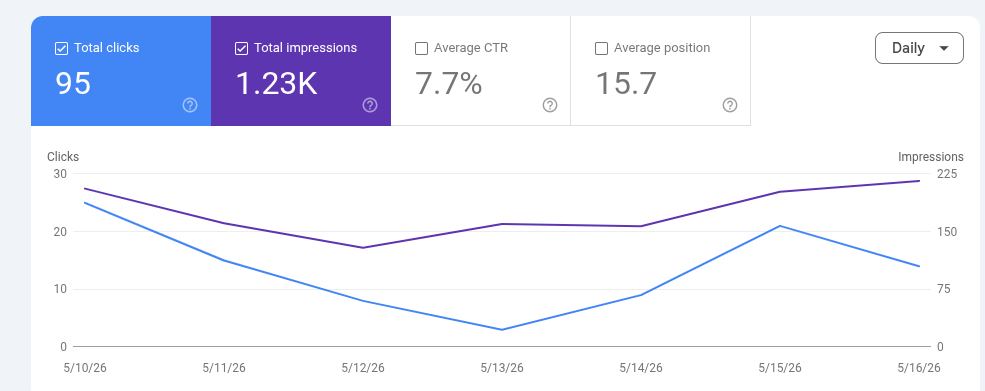
Track organic traffic, keyword rankings, click-through rates, and conversion rates. Use Google Analytics and Google Search Console to monitor your blog's performance. Pay attention to metrics like bounce rate, average session duration, and pages per session to understand user engagement.
Set up conversion tracking to measure how well your SEO efforts translate into desired actions, whether that's email sign-ups, product sales, or other goals. This helps you calculate ROI and justify your SEO investment.
Regular SEO Audits
Conduct regular SEO audits to identify issues and opportunities for improvement. Check for technical problems, content gaps, and competitive weaknesses. Use audit findings to create action plans for ongoing optimization.
Monitor your competitors' SEO strategies and identify opportunities they might be missing. Tools like BlogHunter can provide competitive analysis and suggest strategies to outperform your competition.
Step 7: Advanced SEO Strategies for 2026
As SEO continues to evolve, bloggers need to stay ahead of emerging trends and technologies to maintain their competitive edge.
AI and Machine Learning Optimization
Adapt your content strategy for AI-driven search algorithms. Focus on creating comprehensive, semantically rich content that covers topics thoroughly. Use natural language and avoid keyword stuffing, as modern algorithms understand context and user intent.
Implement structured data markup to help search engines better understand your content. Use schema.org markup for articles, reviews, products, and other content types to enhance search result appearances.
Voice Search Optimization
Optimize for voice search by targeting conversational keywords and question-based queries. Create FAQ sections and use natural language that matches how people speak when using voice assistants.
Focus on local SEO if your blog has a local component. Optimize for "near me" searches and ensure your NAP (Name, Address, Phone) information is consistent across the web.
Common SEO Mistakes to Avoid
Even experienced bloggers can fall into common SEO traps. Understanding these mistakes helps you avoid them and maintain a strong SEO foundation.
Keyword Stuffing and Over-Optimization
Avoid cramming keywords unnaturally into your content. Modern algorithms can detect and penalize keyword stuffing. Focus on natural language and user experience rather than forcing keywords into every sentence.
Don't neglect user experience in pursuit of SEO. A site that's difficult to navigate or read will have high bounce rates, which negatively impacts rankings regardless of keyword optimization.
Ignoring Technical SEO
Don't focus solely on content while ignoring technical issues. Broken links, slow loading speeds, and mobile usability problems can undermine even the best content strategy.
Avoid duplicate content issues by using canonical tags and ensuring each page has unique, valuable content. Don't copy content from other sources, even with permission.
Conclusion and Next Steps
Mastering SEO for bloggers requires dedication, continuous learning, and strategic implementation of proven techniques. By following this step-by-step guide, you can build a strong SEO foundation that drives sustainable organic traffic growth for your blog.
Remember that SEO is a long-term strategy. Results won't appear overnight, but consistent effort and optimization will yield significant returns over time. Focus on creating valuable content, optimizing technically, and building authority in your niche.
Start implementing these strategies today, and use tools like BlogHunter to automate and streamline your SEO efforts. BlogHunter can help you with keyword research, content optimization, and performance tracking, making your SEO journey more efficient and effective.
Ready to take your blog's SEO to the next level? Try BlogHunter today and discover how AI-powered tools can transform your content strategy and boost your search rankings in 2026 and beyond.
Grow organic traffic on auto-pilot
BlogHunter researches keywords, writes SEO posts, and publishes to your site automatically. No writers. No CMS. No manual work.
Publish Now