Introduction to SEO for Bloggers in 2026
The landscape of search engine optimization continues to evolve rapidly, and bloggers who stay ahead of the curve can significantly increase their organic traffic and visibility. In 2026, SEO for bloggers has become more sophisticated yet more accessible than ever before. With search engines prioritizing user experience, content quality, and technical excellence, bloggers must adopt a comprehensive approach to their SEO strategy.
Whether you're a seasoned blogger or just starting your journey, understanding and implementing the right SEO practices can be the difference between a blog that thrives and one that struggles to gain traction. This guide covers the essential SEO for bloggers best practices that will help you rank higher in search results and attract more readers to your content.
Keyword Research and Strategy
Understanding Modern Keyword Research
Effective keyword research remains the foundation of successful SEO for bloggers. In 2026, keyword research has evolved beyond simple search volume metrics to focus on search intent, topical authority, and semantic relationships between terms.
Start by identifying your blog's core topics and then expand into related subtopics. Use tools that analyze not just keyword volume but also difficulty scores, click-through rates, and seasonal trends. Look for keywords that align with your blog's niche and have reasonable competition levels for your domain authority.
Long-Tail Keywords and Voice Search Optimization
Long-tail keywords continue to be crucial for bloggers, especially with the rise of voice search. These longer, more specific phrases often have lower competition and higher conversion rates. For example, instead of targeting "SEO tips," consider "SEO tips for fashion bloggers in 2026" or "how to improve SEO for a new blog."
Voice search optimization requires focusing on natural language patterns and question-based queries. People speak to voice assistants differently than they type, so incorporating conversational phrases and complete questions into your content can help capture this growing traffic source.
Content Creation and Optimization
Creating High-Quality, Valuable Content
Content quality remains paramount in 2026's SEO landscape. Search engines have become incredibly sophisticated at evaluating content depth, accuracy, and user satisfaction. Your blog posts should thoroughly address the topic, provide unique insights, and offer practical value to readers.
Focus on creating comprehensive content that answers all potential questions a reader might have about the topic. This approach not only satisfies users but also signals to search engines that your content is authoritative and complete. Include original research, case studies, and expert insights when possible to differentiate your content from competitors.
Content Structure and Readability
Proper content structure significantly impacts both user experience and SEO performance. Use clear headings (H2, H3, H4) to organize your content logically. This helps readers scan your content and allows search engines to understand the hierarchy and relationships between different sections.
Break up long paragraphs, use bullet points for lists, and incorporate visual elements like images, infographics, and videos. Ensure your content is mobile-friendly, as mobile-first indexing means Google primarily uses the mobile version of your content for indexing and ranking.
Semantic SEO and Topic Clusters
Semantic SEO involves creating content that covers topics comprehensively rather than focusing on individual keywords. Develop topic clusters by creating pillar content that covers broad subjects and supporting content that dives deeper into specific aspects of those topics.
This approach helps establish topical authority and creates internal linking opportunities that strengthen your blog's overall SEO. For example, if you have a pillar post about "SEO for bloggers," you might create supporting posts about keyword research, on-page optimization, and link building that link back to the main pillar content.
On-Page SEO Optimization
Meta Titles and Descriptions
Meta titles and descriptions remain critical for SEO success. Your meta title should include your primary keyword and be compelling enough to encourage clicks. Keep titles under 60 characters to ensure they display properly in search results. Meta descriptions should be around 150-160 characters and provide a clear summary of what readers can expect from your content.
Include your target keyword naturally in both the title and description, but avoid keyword stuffing. Focus on creating titles that are both SEO-friendly and appealing to human readers. Test different variations to see which ones generate the highest click-through rates.
URL Structure and Internal Linking
Clean, descriptive URLs help both users and search engines understand what your content is about. Use hyphens to separate words and keep URLs concise. Include your target keyword when it makes sense naturally, but don't force it if it creates an awkward URL structure.
Internal linking is crucial for SEO for bloggers. Link to relevant older posts within your new content to help search engines discover and index your pages while keeping readers engaged longer. Use descriptive anchor text that includes relevant keywords, but ensure it reads naturally within the context of your content.
Image Optimization
Images can significantly enhance your content but can also slow down your site if not optimized properly. Use descriptive file names that include relevant keywords, and always add alt text that describes the image content while incorporating keywords naturally.
Compress images to reduce file sizes without sacrificing quality, and use modern formats like WebP when possible. Implement lazy loading to improve page load times, and ensure all images are responsive and display properly on mobile devices.
Technical SEO for Bloggers
Site Speed and Performance
Site speed is a crucial ranking factor in 2026. Use tools like Google PageSpeed Insights to identify performance issues and implement solutions. Common optimizations include minimizing HTTP requests, leveraging browser caching, and using a content delivery network (CDN).
Choose a reliable hosting provider and consider using a caching plugin to improve load times. Optimize your database regularly and keep your blogging platform and plugins updated to ensure optimal performance.
Mobile Optimization
With mobile-first indexing, ensuring your blog is fully mobile-optimized is essential. Use responsive design that adapts to different screen sizes, and test your site on various devices to ensure proper functionality. Pay attention to touch-friendly navigation, readable text without zooming, and properly sized tap targets.
Consider implementing Accelerated Mobile Pages (AMP) for your blog posts to provide even faster loading times on mobile devices. While AMP has become less critical in recent years, it can still provide performance benefits for content-heavy blogs.
Once drafts become the bottleneck, a bulk publishing workflow that writes, hosts, and publishes in one place can remove the manual steps without changing your strategy.
Site Architecture and Navigation
Clear site architecture helps both users and search engines navigate your blog effectively. Use a logical category structure and create an intuitive navigation menu. Implement breadcrumb navigation to help users understand their location within your site hierarchy.
Create an XML sitemap and submit it to search engines to ensure all your important pages get indexed. Use robots.txt to control which pages search engines can access, and implement proper 301 redirects when necessary to maintain link equity.
Off-Page SEO and Authority Building
Link Building Strategies
Quality backlinks remain one of the most important ranking factors for SEO. Focus on earning links naturally through creating valuable content that others want to reference. Guest posting on relevant blogs in your niche can help build relationships and earn quality backlinks.
Participate in blogger communities, contribute to industry forums, and engage with other bloggers on social media. When you build genuine relationships within your niche, natural link opportunities will arise organically.
Social Media Integration
While social media signals aren't direct ranking factors, they can significantly impact your blog's visibility and traffic. Share your content across relevant social platforms and engage with your audience to build a community around your blog.
Make it easy for readers to share your content by including social sharing buttons. Consider creating platform-specific content snippets that encourage sharing and drive traffic back to your blog.
Building Topical Authority
Establishing yourself as an authority in your niche is crucial for long-term SEO success. Consistently publish high-quality content on your chosen topics, and go deep rather than wide with your content strategy. Cover topics comprehensively and become known for your expertise in specific areas.
Engage with your audience through comments, social media, and email newsletters. Respond to questions and provide additional value beyond your blog posts. This engagement helps build trust and encourages return visits and shares.
Analytics and Continuous Improvement
Setting Up and Using Analytics
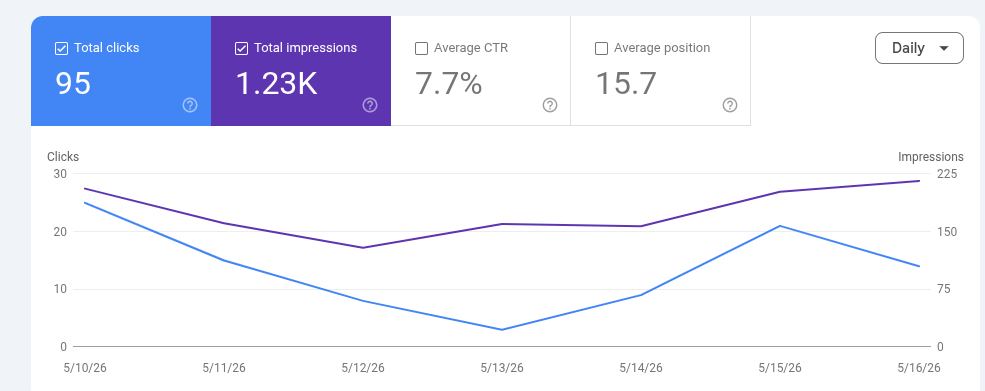
Proper analytics setup is essential for measuring your SEO success. Use Google Analytics to track traffic sources, user behavior, and conversion metrics. Set up Google Search Console to monitor your search performance, identify indexing issues, and understand which queries bring users to your site.
Track key metrics like organic traffic growth, keyword rankings, bounce rates, and average time on page. Use this data to identify what's working and what needs improvement in your SEO strategy.
Content Performance Analysis
Regularly analyze which of your blog posts perform best in terms of traffic, engagement, and conversions. Identify patterns in successful content and use these insights to guide future content creation. Update older posts that are still driving traffic but could benefit from refreshed information or improved optimization.
Look for content gaps in your existing material and create new posts that address these opportunities. Use tools that can help identify related topics and questions that your audience is searching for but you haven't yet covered.
A/B Testing and Optimization
Continuously test and optimize different elements of your blog to improve performance. A/B test headlines, meta descriptions, call-to-action buttons, and content layouts to see what resonates best with your audience. Small improvements in click-through rates and engagement can lead to significant gains in overall traffic and rankings.
Monitor your site's Core Web Vitals metrics and work to improve them over time. These user experience signals have become increasingly important for SEO and can impact your rankings in search results.
Emerging SEO Trends for Bloggers in 2026
AI and Machine Learning Impact
AI continues to transform how search engines evaluate and rank content. Focus on creating content that demonstrates expertise, authoritativeness, and trustworthiness (E-A-T). Search engines are becoming better at identifying content that truly helps users versus content created primarily for SEO purposes.
Consider how AI tools can assist your content creation process while maintaining authenticity and originality. Use AI for research, outlining, and optimization, but ensure your content maintains a human touch and provides genuine value to readers.
Video and Visual Content Integration
Video content continues to grow in importance for SEO. Consider creating video versions of your blog posts or adding video explanations to complex topics. Video can increase time on page, reduce bounce rates, and provide additional ranking opportunities in video search results.
Optimize video content with proper titles, descriptions, and transcripts. Use video sitemaps to help search engines discover and index your video content effectively.
Conclusion and Next Steps
Implementing these SEO for bloggers best practices will help you build a strong foundation for organic traffic growth and search engine visibility. Remember that SEO is an ongoing process that requires consistent effort and adaptation to changing algorithms and user behaviors.
Start by focusing on the fundamentals: create valuable content, optimize your on-page elements, ensure technical excellence, and build authority in your niche. Then gradually incorporate more advanced strategies as you grow your blog and understand your audience better.
The key to SEO success in 2026 is providing genuine value to your readers while following best practices that align with search engine guidelines. Stay patient, be consistent, and continually learn and adapt your strategies based on performance data and industry trends.
Ready to take your blog's SEO to the next level? Consider using tools that can help automate and streamline your SEO processes, allowing you to focus more on creating great content while ensuring your technical SEO is handled efficiently. With the right approach and tools, you can significantly improve your blog's visibility and attract more organic traffic in 2026 and beyond.
Grow organic traffic on auto-pilot
BlogHunter researches keywords, writes SEO posts, and publishes to your site automatically. No writers. No CMS. No manual work.
Publish Now