Introduction: The Truth About Blog Growth in 2026
The blogging landscape has changed dramatically in recent years, and what worked in 2020 or even 2023 is no longer effective. As we navigate through 2026, content creators are bombarded with conflicting advice about blog growth hacks that promise overnight success. But here's the reality: most of these so-called growth hacks are myths that waste your time and resources.
Many bloggers struggle with stagnant traffic, poor engagement, and slow monetization because they're following outdated advice or chasing quick fixes that don't deliver results. The truth is that sustainable blog growth requires a strategic approach based on proven methods, not viral trends or questionable shortcuts.
In this comprehensive guide, we'll debunk the most common blog growth myths and reveal what actually works in 2026's competitive content landscape. Whether you're a new blogger or an experienced content creator looking to scale, understanding these truths will save you months of frustration and help you build a blog that grows consistently.
The Biggest Blog Growth Myths Holding You Back
Myth #1: Viral Content Equals Sustainable Growth
One of the most persistent myths in the blogging world is that creating viral content is the key to rapid growth. While viral posts can provide temporary traffic spikes, they rarely translate into sustainable blog growth or loyal readership.
In 2026, the algorithm landscape has evolved significantly. Social media platforms and search engines prioritize consistent, quality content over viral sensations. Viral content often attracts one-time visitors who don't engage with your other articles or return to your blog, creating what marketers call "empty traffic."
The reality is that blogs built on viral content alone struggle to maintain momentum. When the viral wave subsides, these blogs often experience dramatic traffic drops because they lack the foundation of evergreen content that continues to attract readers organically.
Myth #2: Posting Daily Guarantees Success
The "more content equals more growth" myth has led many bloggers to burn out while publishing daily posts that nobody reads. In 2026's content-saturated market, quantity without quality is a recipe for failure.
Search engines and readers have become increasingly sophisticated at recognizing quality content. Publishing low-quality posts daily can actually harm your blog's reputation and search engine rankings. Instead of building authority, you're diluting your brand with mediocre content.
Successful bloggers in 2026 focus on creating comprehensive, valuable content that serves their audience's needs. This often means publishing less frequently but with significantly higher quality and depth. A well-researched 2,000-word article that ranks on Google can outperform ten rushed 500-word posts.
Myth #3: Social Media is the Primary Growth Driver
While social media remains important for blog promotion, the myth that it's the primary driver of blog growth has been thoroughly debunked. Many bloggers spend hours on social platforms with minimal return on investment.
In 2026, organic reach on most social media platforms continues to decline, making it increasingly difficult to grow a blog through social channels alone. Algorithm changes, pay-to-play models, and shifting user behaviors have reduced the effectiveness of social media as a primary growth strategy.
The most successful blogs focus on building their own platforms—primarily through search engine optimization and email marketing—rather than relying on third-party social media platforms that can change their algorithms or policies at any time.
Myth #4: You Need to Niche Down Extremely Narrowly
The extreme niching myth suggests that you must choose an incredibly specific topic to succeed. While having a clear focus is important, being too narrow can limit your growth potential and make it difficult to create enough content to sustain your blog.
In 2026, successful blogs often occupy what we call "strategic niches"—topics that are specific enough to attract a dedicated audience but broad enough to allow for content expansion and growth. For example, instead of "vegan recipes for people with nut allergies," a more sustainable niche might be "plant-based cooking for dietary restrictions."
The key is finding the sweet spot between specificity and flexibility, allowing your blog to evolve as you learn more about your audience's needs and interests.
What Actually Works for Blog Growth in 2026
Strategy #1: Strategic Content Planning with SEO Focus
The foundation of blog growth in 2026 is strategic content planning that prioritizes search engine optimization. This doesn't mean keyword stuffing or creating robotic content—it means understanding what your target audience is searching for and creating comprehensive resources that answer their questions.
Effective SEO in 2026 requires a deep understanding of search intent, user experience, and topical authority. Search engines now prioritize content that demonstrates expertise, provides comprehensive coverage of topics, and keeps users engaged.
Start by conducting thorough keyword research to identify topics with good search volume but manageable competition. Then create content clusters around these topics, with pillar pages covering broad subjects and supporting articles diving into specific aspects.
Strategy #2: Building Topical Authority
Topical authority has become increasingly important in 2026 as search engines get better at understanding content relationships and expertise. Building topical authority means creating comprehensive coverage of specific subjects rather than scattered content across many unrelated topics.
To build topical authority, focus on creating content that covers all aspects of your main topics. This might include beginner guides, advanced tutorials, case studies, FAQs, and related subtopics. The goal is to become the go-to resource for specific subjects in your niche.
Search engines recognize when a website consistently produces high-quality content about specific topics, which can lead to better rankings and more organic traffic over time. This approach also helps you attract a more targeted audience that's genuinely interested in your content.
Strategy #3: Email List Building as Growth Foundation
While many bloggers chase social media followers, successful content creators in 2026 prioritize building their email lists. Email marketing remains one of the most effective channels for blog growth because you own your list and can communicate directly with your audience.
Start building your email list from day one by offering valuable lead magnets—free resources that solve specific problems for your target audience. This might include checklists, templates, mini-courses, or exclusive content that complements your blog posts.
Once you have an email list, use it strategically to drive traffic to your best content, announce new posts, and build relationships with your readers. Email subscribers are typically your most engaged audience members and often become your biggest advocates.
Strategy #4: Strategic Content Repurposing
Content repurposing has become essential for blog growth in 2026's competitive landscape. Rather than creating entirely new content from scratch, successful bloggers maximize the value of their existing content by adapting it for different platforms and formats.
This might mean turning a comprehensive blog post into a video series, creating infographics from key points, developing social media content from your articles, or even creating podcast episodes based on your written content. The goal is to reach your audience where they prefer to consume content while driving traffic back to your blog.
Content repurposing also helps reinforce your expertise on specific topics, as people encounter your ideas across multiple platforms. This multi-channel approach can significantly accelerate your blog's growth compared to relying on a single content format.
Strategy #5: Data-Driven Content Optimization
In 2026, successful bloggers use data to continuously optimize their content strategy. This means regularly analyzing which posts perform well, understanding why they succeed, and using those insights to inform future content creation.
Track metrics like page views, time on page, bounce rate, and conversion rates to understand how readers interact with your content. Use this data to identify your most successful content formats, topics, and writing styles, then create more content that follows similar patterns.
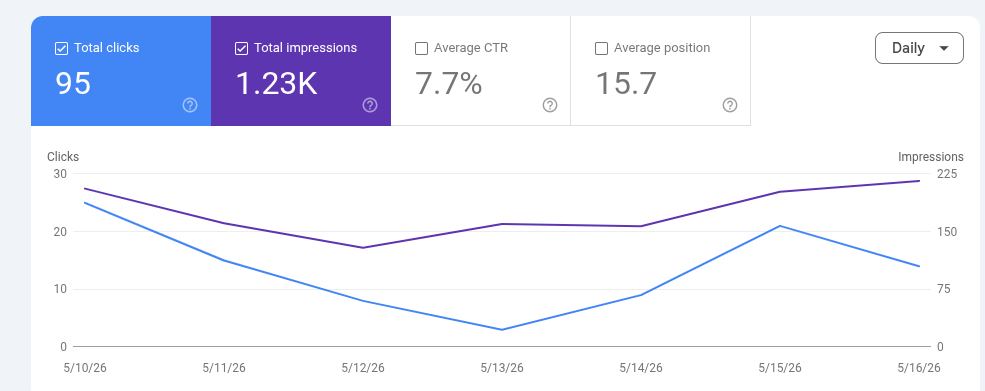
Also pay attention to search console data to understand which keywords are driving traffic to your blog and identify opportunities to create additional content around those topics. This data-driven approach helps you focus your efforts on strategies that actually work for your specific audience.
Advanced Growth Tactics for 2026
Collaborative Content Strategies
Collaboration has become increasingly important for blog growth in 2026. This might include guest posting on established blogs in your niche, participating in expert roundups, or co-creating content with other bloggers or industry experts.
Collaborative content strategies help you tap into established audiences, build relationships within your industry, and create more comprehensive content than you could produce alone. They also provide valuable backlinks and social proof that can accelerate your blog's growth.
Look for collaboration opportunities with bloggers who have complementary audiences but aren't direct competitors. This might include cross-promotions, joint webinars, or co-authored comprehensive guides that benefit both parties' audiences.
Community Building Around Your Content
Building a community around your blog has become a powerful growth strategy in 2026. This might include creating a Facebook group, Discord server, or forum where your readers can connect with each other and with you.
Communities create a sense of belonging that keeps readers coming back to your blog and engaging with your content. They also provide valuable feedback about what your audience wants to learn more about, helping you create more targeted content.
Successful bloggers use their communities to test new content ideas, get feedback on drafts, and create a feedback loop that continuously improves their content strategy. Communities also tend to be more forgiving of occasional content gaps because they feel connected to the blogger personally.
Monetization as a Growth Driver
Strategic monetization can actually accelerate blog growth when done correctly. Rather than viewing monetization as separate from content creation, successful bloggers in 2026 integrate monetization strategies that enhance their content and provide additional value to readers.
This might include creating premium content that complements your free blog posts, developing courses or tools that help readers implement your advice, or offering consulting services related to your blog's topics. The key is ensuring that monetization efforts provide genuine value rather than feeling like interruptions to the reader experience.
Monetization can also fund better content creation through investments in tools, research, or even hiring writers to help you produce more comprehensive content. This creates a positive cycle where monetization funds growth, and growth drives more monetization opportunities.
Common Mistakes to Avoid
Chasing Every New Trend
One of the biggest mistakes bloggers make is constantly chasing new trends and abandoning proven strategies. While it's important to stay current with industry changes, frequently switching tactics prevents you from building momentum with any single approach.
Instead of chasing every new platform or content format, focus on mastering a few core strategies that work for your specific niche and audience. Once you've built a solid foundation, you can experiment with new trends without risking your blog's stability.
Ignoring User Experience
Many bloggers focus so much on content creation that they neglect the technical aspects of their blogs. In 2026, user experience factors like page speed, mobile optimization, and site navigation significantly impact both search rankings and reader engagement.
Ensure your blog loads quickly, works well on mobile devices, and has intuitive navigation that helps readers find related content. These technical factors might seem minor, but they can dramatically impact your blog's growth potential.
Neglecting Content Updates
Another common mistake is creating content once and never updating it. In 2026's fast-changing digital landscape, outdated content can harm your blog's reputation and search rankings.
Regularly review and update your most successful posts to ensure they remain accurate and comprehensive. This might include adding new information, updating statistics, improving formatting, or expanding sections based on reader feedback.
How BlogHunter Can Accelerate Your Growth
Building a successful blog in 2026 requires consistent, high-quality content creation—but this can be incredibly time-consuming when done manually. This is where BlogHunter comes in as your secret weapon for sustainable blog growth.
BlogHunter is an AI-powered content creation tool that helps you produce SEO-optimized blog posts at scale without sacrificing quality. Instead of spending hours researching topics and writing drafts, you can generate comprehensive, well-researched content in minutes.
The platform understands current SEO best practices and creates content that's optimized for search engines while maintaining a natural, engaging tone. This means you can focus on strategy and promotion while BlogHunter handles the time-consuming content creation process.
With BlogHunter, you can maintain a consistent publishing schedule, create content clusters around your main topics, and scale your content production without burning out. The tool also helps ensure your content stays current with the latest information and trends in your niche.
Whether you're struggling to find time to write, need help scaling your content production, or want to ensure your blog posts are optimized for search engines, BlogHunter provides the solution you need to grow your blog efficiently in 2026.
Conclusion: Building Sustainable Blog Growth
The truth about blog growth in 2026 is that there are no magic hacks or overnight success formulas. Sustainable growth comes from understanding what actually works, avoiding common myths, and implementing proven strategies consistently over time.
Focus on creating valuable content that serves your audience's needs, building topical authority in your niche, and using data to continuously optimize your approach. Remember that successful blogging is a marathon, not a sprint—the bloggers who succeed in 2026 are those who commit to the long-term process of building genuine relationships with their readers.
Don't waste time on viral content strategies, daily posting schedules, or social media obsession. Instead, invest your energy in creating comprehensive resources, building your email list, and establishing yourself as an authority in your field. These strategies might not provide overnight results, but they will build a foundation for sustainable growth that lasts for years.
Ready to take your blog to the next level? Start by implementing one or two of the strategies we've discussed, then gradually build out your approach as you see results. And if you're looking to scale your content production without sacrificing quality, consider trying BlogHunter to streamline your content creation process and accelerate your blog's growth in 2026.
The blogging landscape continues to evolve, but the fundamentals of providing value to your audience remain constant. Focus on those fundamentals, stay consistent with your efforts, and you'll build a blog that not only grows but thrives in today's competitive digital environment.
Grow organic traffic on auto-pilot
BlogHunter researches keywords, writes SEO posts, and publishes to your site automatically. No writers. No CMS. No manual work.
Publish Now