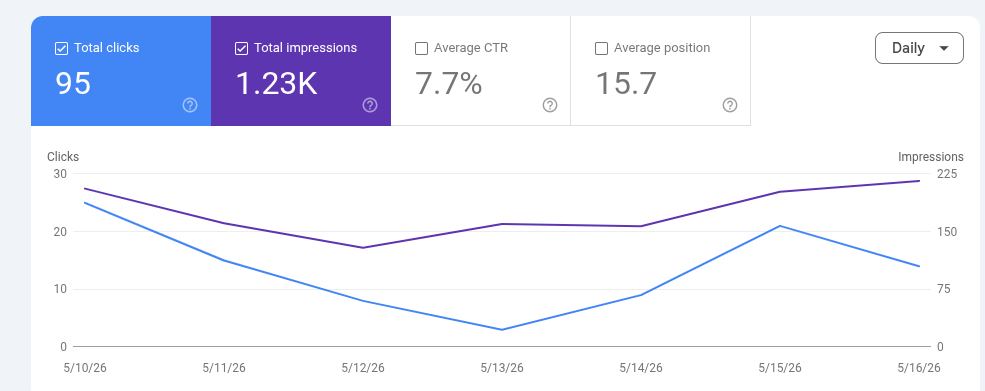
In the rapidly evolving world of digital marketing, understanding how to utilize Google Analytics for blogging is crucial for success. As we move into 2026, the landscape of blogging has become more competitive than ever. Bloggers, content creators, and marketers need to harness the power of data to stay ahead. Google Analytics provides a wealth of information that can help you make informed decisions, optimize your content, and drive more traffic to your blog.
What is Google Analytics for Blogging?
Google Analytics is a powerful web analytics service offered by Google that tracks and reports website traffic. For bloggers, it serves as an essential tool for monitoring and analyzing the performance of their blogs. By integrating Google Analytics into your blogging strategy, you can gain insights into your audience's behavior, identify popular content, and measure the effectiveness of your marketing efforts.
The Importance of Google Analytics for Bloggers
In 2026, the importance of Google Analytics for bloggers cannot be overstated. With the increasing competition in the blogging sphere, data-driven decision-making is more critical than ever. Here are some reasons why Google Analytics is indispensable for bloggers:
- Understanding Audience Behavior: Google Analytics provides detailed information about your visitors, including their demographics, interests, and behavior on your site. This data helps you tailor your content to meet their needs and preferences.
- Tracking Traffic Sources: Knowing where your traffic comes from is essential for optimizing your marketing strategies. Google Analytics allows you to see which channels are driving the most traffic to your blog, whether it's organic search, social media, or referrals.
- Measuring Content Performance: By analyzing which blog posts are performing well and which are not, you can focus your efforts on creating more of the content that resonates with your audience.
- Setting and Monitoring Goals: Google Analytics enables you to set specific goals, such as newsletter sign-ups or product purchases, and track their progress. This helps you understand the effectiveness of your blog in achieving your business objectives.
Setting Up Google Analytics for Your Blog
Before you can start leveraging Google Analytics for your blog, you need to set it up correctly. Here are the steps to get started:
- Create a Google Analytics Account: If you don't already have one, sign up for a Google Analytics account. You can do this by visiting the Google Analytics website and following the prompts to create a new account.
- Set Up a Property: Once you have an account, you need to set up a property for your blog. This involves entering your blog's URL and other relevant information.
- Install the Tracking Code: Google Analytics will provide you with a unique tracking code. You need to install this code on your blog's website. This can typically be done by adding the code to your blog's header or footer.
- Verify the Installation: After installing the tracking code, verify that it is working correctly by checking the Real-Time reports in Google Analytics.
For a more streamlined process, tools like BlogHunter can automate the setup and integration of Google Analytics, ensuring that you start collecting data right away.
Key Metrics to Monitor in Google Analytics
With Google Analytics set up, it's time to dive into the key metrics that will help you understand your blog's performance. Here are some essential metrics to monitor:
1. Audience Overview
The Audience Overview report provides a snapshot of your blog's visitors. Key metrics to focus on include:
- Sessions: The number of times users visited your blog.
- Users: The number of unique visitors to your blog.
- Pageviews: The total number of pages viewed.
- Pages per Session: The average number of pages viewed per session.
- Average Session Duration: The average time users spend on your blog.
- Bounce Rate: The percentage of visitors who leave your blog after viewing only one page.
2. Traffic Sources
Understanding where your traffic comes from is crucial for optimizing your marketing strategies. The Acquisition report breaks down your traffic sources into:
- Organic Search: Traffic from search engines.
- Direct: Visitors who type your blog's URL directly into their browser.
- Referral: Traffic from other websites.
- Social: Traffic from social media platforms.
- Paid Search: Traffic from paid advertising campaigns.
3. Content Performance
To identify which blog posts are performing well, use the Behavior report. Key metrics to look at include:
Once drafts become the bottleneck, a bulk publishing workflow that writes, hosts, and publishes in one place can remove the manual steps without changing your strategy.
- Pageviews: The number of times a specific page has been viewed.
- Unique Pageviews: The number of unique sessions during which a specific page was viewed.
- Average Time on Page: The average time users spend on a specific page.
- Bounce Rate: The percentage of visitors who leave after viewing a specific page.
- Exit Rate: The percentage of visitors who leave your blog from a specific page.
4. Goal Conversions
Setting up goals in Google Analytics allows you to track specific actions on your blog, such as newsletter sign-ups or purchases. Key metrics to monitor include:
- Conversion Rate: The percentage of users who complete a goal.
- Goal Completions: The total number of times a goal was completed.
- Goal Value: The monetary value assigned to each goal completion.
Actionable Tips for Using Google Analytics for Blogging in 2026
Now that you understand the key metrics to monitor, here are some actionable tips for using Google Analytics to enhance your blogging strategy in 2026:
1. Identify Your Top-Performing Content
Use the Behavior report to identify which blog posts are driving the most traffic and engagement. Focus on creating more content similar to your top-performing posts to attract and retain more readers.
2. Optimize Your Traffic Sources
Analyze your traffic sources to see which channels are driving the most valuable traffic to your blog. Allocate more resources to these channels and optimize your strategies to attract even more visitors.
3. Improve User Engagement
Monitor metrics like Average Session Duration and Bounce Rate to understand how engaged your readers are. Implement strategies to improve user engagement, such as adding interactive elements, improving page load speed, or enhancing your blog's design.
4. Set and Monitor Goals
Define clear goals for your blog, such as increasing newsletter sign-ups or driving more sales. Use Google Analytics to track your progress and make data-driven decisions to achieve your objectives.
5. Leverage BlogHunter for Automation
To streamline your blogging process and automate the integration of Google Analytics, consider using BlogHunter. This powerful tool can help you set up and monitor Google Analytics effortlessly, allowing you to focus on creating high-quality content.
Conclusion
In 2026, Google Analytics remains an indispensable tool for bloggers looking to optimize their content and drive more traffic. By understanding your audience, tracking traffic sources, measuring content performance, and setting clear goals, you can make data-driven decisions that enhance your blog's success. Tools like BlogHunter can further simplify the process, allowing you to focus on what you do best—creating compelling content.
Ready to take your blogging to the next level with Google Analytics? Try BlogHunter today and see how easy it is to automate your blog's performance tracking and optimization.
Grow organic traffic on auto-pilot
BlogHunter researches keywords, writes SEO posts, and publishes to your site automatically. No writers. No CMS. No manual work.
Publish Now