Why SEO-Friendly Blogs Matter More Than Ever in 2026
In 2026, the digital landscape has evolved dramatically, making SEO-friendly blogs essential for online success. With search engines becoming increasingly sophisticated and user expectations higher than ever, creating content that satisfies both algorithms and readers is no longer optional—it's mandatory for survival in the competitive online space.
SEO-friendly blogs serve as the foundation of any successful digital marketing strategy. They drive organic traffic, establish authority, and create lasting value for your audience. Unlike paid advertising, which stops delivering results the moment you stop paying, SEO-friendly content continues to attract visitors long after publication, providing an excellent return on investment.
The core principle of SEO-friendly blogging remains unchanged: create valuable content that answers user queries while making it easy for search engines to understand and rank. However, the tactics and best practices have evolved significantly. In 2026, factors like mobile-first indexing, voice search optimization, and AI-driven content analysis have transformed how we approach blog creation.
Understanding Search Intent: The Foundation of SEO-Friendly Content
Before writing a single word, successful bloggers in 2026 understand that search intent drives everything. Search intent refers to the reason behind a user's query—what they actually want to accomplish when typing keywords into a search engine. There are four primary types of search intent:
- Informational intent: Users seeking knowledge or answers to questions
- Navigational intent: Users looking for a specific website or page
- Transactional intent: Users ready to make a purchase or complete an action
- Commercial investigation: Users researching products or services before buying
Aligning your content with search intent is crucial for SEO-friendly blogs. When your content matches what users are actually looking for, they spend more time on your page, engage more deeply, and are more likely to convert. Search engines recognize these positive signals and reward your content with higher rankings.
In 2026, search engines use advanced natural language processing to understand context and nuance. This means your content needs to comprehensively address the topic while naturally incorporating related concepts and answering potential follow-up questions. Tools like BlogHunter can analyze top-performing content for your target keywords and help you create comprehensive, intent-focused articles that satisfy both users and search algorithms.
Analyzing Search Results for Intent Patterns
Before creating content, examine the current search engine results pages (SERPs) for your target keywords. In 2026, SERPs often include featured snippets, people also ask boxes, and various rich results. These features provide valuable insights into what search engines consider the most relevant content for each query.
Look for patterns in the top-ranking pages. Are they listicles, how-to guides, product reviews, or in-depth tutorials? The format that dominates the first page of results indicates what users and search engines expect to see. Your SEO-friendly blog should match or exceed these expectations while adding unique value.
Keyword Research and Optimization Strategies for 2026
Keyword research remains fundamental to creating SEO-friendly blogs, but the approach has evolved significantly. In 2026, successful keyword strategies focus on topic clusters rather than isolated keywords. This means creating comprehensive content that covers a subject from multiple angles while naturally incorporating related terms and phrases.
Start with seed keywords related to your topic, then expand using modern keyword research tools that provide semantic relationships and search volume data. Look for keywords with strong commercial intent, reasonable competition levels, and clear alignment with your content goals. Don't ignore long-tail keywords—these specific phrases often convert better because they match precise user intent.
Strategic Keyword Placement for Maximum SEO Impact
Once you've identified your target keywords, strategic placement becomes crucial for SEO-friendly blogs. Include your primary keyword in these critical locations:
- Title tag: Front-load your primary keyword within the first 60 characters
- Meta description: Include keywords naturally while creating an enticing click-through
- URL structure: Keep URLs short, descriptive, and keyword-rich
- H1 heading: Your main title should clearly state what the content covers
- H2 and H3 headings: Use variations of your keywords to structure content
- First paragraph: Mention your primary keyword within the opening 100 words
- Throughout the content: Use keywords naturally, aiming for 1-2% density
- Image alt text: Describe images using relevant keywords
- Meta keywords: While less important than before, include relevant terms
Remember that keyword stuffing is penalized in 2026. Focus on natural language that reads well for humans while signaling relevance to search engines. Tools like BlogHunter can help optimize keyword density and placement automatically, ensuring your content hits the sweet spot between SEO optimization and readability.
Content Structure and Formatting for SEO Success
The structure of your SEO-friendly blog significantly impacts both user experience and search engine rankings. Well-organized content with clear hierarchy helps readers find information quickly while making it easier for search engines to understand your content's organization and importance.
Creating an Effective Content Hierarchy
Start with a compelling H1 title that includes your primary keyword. Follow this with H2 headings that break your content into major sections. Use H3 headings for subsections within those major areas. This hierarchical structure creates a clear roadmap for both readers and search engine crawlers.
Each section should focus on a single main idea, with paragraphs limited to 2-3 sentences for optimal readability. Use bullet points and numbered lists to break up text and highlight key information. In 2026, featured snippets often pull content directly from well-structured lists and tables, making this formatting particularly valuable.
Optimizing for Featured Snippets and Rich Results
Featured snippets have become increasingly important in 2026, often appearing above traditional search results. To optimize for these coveted positions, structure your content to directly answer common questions. Use question-based H2 headings, followed by concise answers in the first paragraph beneath each heading.
For list-based featured snippets, use numbered or bulleted lists with clear, actionable items. For paragraph snippets, provide direct answers within 40-60 words. For table snippets, organize data in clear, easy-to-read tables with proper HTML markup.
BlogHunter's content optimization features can analyze your content structure and suggest improvements for featured snippet opportunities, helping your SEO-friendly blogs capture these valuable search positions.
Technical SEO Elements for Blog Optimization
Technical SEO forms the backbone of any successful blog strategy in 2026. Even the most compelling content won't rank well if your site suffers from technical issues. Focus on these critical technical elements to ensure your SEO-friendly blogs perform optimally.
Site Speed and Mobile Optimization
Site speed remains a crucial ranking factor in 2026. Users expect pages to load in under three seconds, and search engines penalize slow sites. Optimize images by compressing them without sacrificing quality, use browser caching, minimize HTTP requests, and consider a content delivery network (CDN) for global audiences.
Mobile optimization is non-negotiable in 2026. With mobile-first indexing, Google primarily uses the mobile version of your content for indexing and ranking. Ensure your blog uses responsive design, has readable text without zooming, and provides adequate spacing for touch interactions.
Internal Linking and Site Architecture
Internal linking helps search engines discover and understand the relationships between your content while distributing page authority throughout your site. Create a logical site architecture where important pages are no more than three clicks from your homepage. Use descriptive anchor text that includes relevant keywords when linking between pages.
Implement breadcrumb navigation to help users understand their location within your site structure. Create topic clusters by developing comprehensive pillar content that links to related cluster content, establishing topical authority that search engines reward.
Creating Engaging, High-Quality Content That Ranks
Quality content remains the cornerstone of SEO-friendly blogs in 2026. Search engines have become incredibly sophisticated at identifying content that genuinely helps users versus content created solely for rankings. Focus on creating comprehensive, valuable content that addresses user needs completely.
Content Depth and Comprehensiveness
Shallow content rarely ranks well in 2026. Instead, create comprehensive guides that cover topics thoroughly. Aim for content that answers not just the primary question but also anticipates and addresses related questions users might have. Include examples, case studies, and practical applications that demonstrate expertise.
Research shows that content between 1,500-2,500 words tends to perform best for most topics, though the ideal length depends on search intent and competition. Use data, statistics, and expert quotes to add credibility and depth to your content.
Once drafts become the bottleneck, a bulk publishing workflow that writes, hosts, and publishes in one place can remove the manual steps without changing your strategy.
Originality and Unique Value Proposition
In 2026's crowded digital landscape, originality sets successful blogs apart. Avoid simply rehashing what's already available. Instead, add your unique perspective, share original research, provide case studies from your experience, or offer insights that others haven't covered.
Your unique value proposition might include specialized expertise, proprietary data, innovative approaches to common problems, or exceptional presentation quality. Whatever makes your content different should be emphasized and leveraged as a competitive advantage.
Multimedia Integration and User Engagement
Modern SEO-friendly blogs incorporate various media types to enhance user experience and engagement. Different users prefer different content consumption methods, so offering multiple formats increases your content's appeal and effectiveness.
Strategic Use of Images and Visual Content
Images break up text, illustrate concepts, and make content more engaging. Use original images when possible, or high-quality stock photos when necessary. Optimize all images by compressing file sizes, using descriptive file names, and including relevant alt text that describes the image content while incorporating keywords naturally.
Consider creating custom graphics, infographics, and data visualizations that provide unique value. These visual elements often get shared more frequently, earning valuable backlinks that boost your SEO performance.
Video and Interactive Content Integration
Video content continues to grow in importance for SEO-friendly blogs in 2026. Embed relevant videos that complement your written content, or create video versions of your blog posts. Video keeps users on your page longer, sending positive engagement signals to search engines.
Interactive elements like quizzes, calculators, and interactive infographics can significantly increase user engagement and time on page. These elements encourage users to interact with your content rather than passively consuming it, creating stronger engagement signals.
Building Authority Through Backlinks and Social Signals
Backlinks remain one of the most important ranking factors for SEO-friendly blogs in 2026. Quality backlinks from authoritative websites signal to search engines that your content is valuable and trustworthy. However, the focus has shifted from quantity to quality and relevance.
Ethical Link Building Strategies
Create link-worthy content that naturally attracts backlinks. This includes original research, comprehensive guides, unique tools, and data-driven insights. Reach out to industry influencers and websites that might find your content valuable, but focus on building genuine relationships rather than transactional exchanges.
Guest posting on relevant, high-authority websites can still be effective when done strategically. Focus on providing genuine value to the host site's audience rather than using guest posts solely for backlinks.
Social Media Integration and Content Promotion
While social signals aren't direct ranking factors, they indirectly impact SEO by increasing content visibility and potential for backlinks. Share your SEO-friendly blogs across social media platforms where your audience is active. Engage with comments and discussions to build community around your content.
Consider creating platform-specific content that drives traffic back to your blog. This might include Twitter threads that summarize key points, LinkedIn articles that expand on concepts, or Instagram stories that provide behind-the-scenes content creation insights.
Measuring Success and Continuous Optimization
Creating SEO-friendly blogs is an ongoing process that requires monitoring, analysis, and continuous improvement. Track key performance indicators to understand what's working and identify opportunities for optimization.
Key Metrics to Monitor
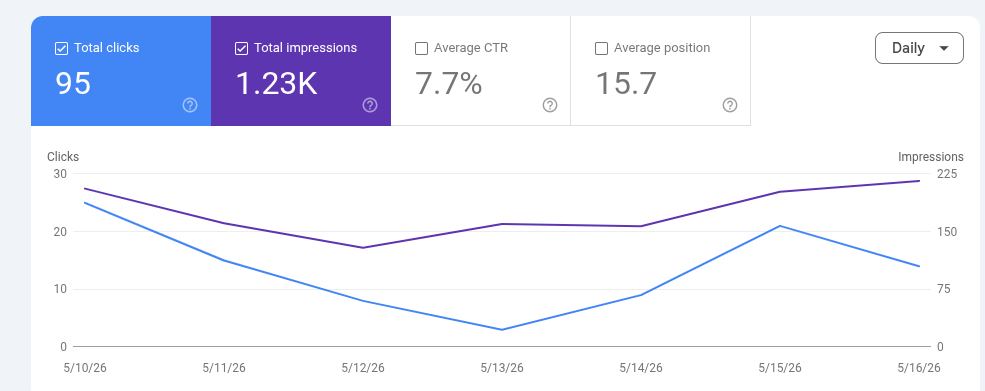
Focus on metrics that indicate true SEO success rather than vanity metrics. Track organic traffic growth, keyword rankings for target terms, click-through rates from search results, time on page, bounce rates, and conversion rates. Use tools like Google Analytics, Google Search Console, and specialized SEO platforms to gather comprehensive data.
Pay attention to which content performs best and analyze why. Look for patterns in topics, formats, and promotional strategies that drive the most success. Use these insights to inform future content creation and optimization efforts.
Content Updates and Refresh Strategies
SEO-friendly blogs require ongoing maintenance to remain competitive. Regularly update older content with current information, new examples, and improved formatting. Add new sections that address emerging trends or questions that have gained popularity since original publication.
Consider content consolidation strategies where multiple related posts are combined into comprehensive resources. This can improve your site's topical authority while reducing content cannibalization issues where multiple pages compete for the same keywords.
Common SEO Blogging Mistakes to Avoid
Even experienced bloggers make mistakes that can undermine their SEO efforts. Being aware of these common pitfalls can help you create more effective SEO-friendly blogs from the start.
Keyword Stuffing and Over-Optimization
While keywords remain important, overusing them creates a poor user experience and can trigger search engine penalties. Write naturally, using keywords where they make sense rather than forcing them into every sentence. Focus on semantic relevance and topic comprehensiveness rather than exact keyword matching.
Ignoring User Experience Factors
SEO isn't just about pleasing search engines—it's about creating valuable experiences for users. Avoid intrusive interstitials, autoplay videos with sound, and other elements that frustrate users. Ensure your content is accessible to all users, including those with disabilities, by following web accessibility guidelines.
Page experience signals, including Core Web Vitals, have become increasingly important ranking factors. Monitor these metrics and optimize your site's performance to provide the best possible user experience.
The Future of SEO-Friendly Blogging
As we look ahead in 2026 and beyond, several trends are shaping the future of SEO-friendly blogging. Artificial intelligence is becoming increasingly sophisticated at content analysis, making high-quality, genuinely valuable content more important than ever. Voice search continues to grow, requiring content optimization for natural language queries.
Personalization is becoming more sophisticated, with search results increasingly tailored to individual users based on their search history, location, and behavior patterns. This means creating content that appeals to your specific target audience while maintaining broad relevance.
Emerging technologies like augmented reality and virtual reality may create new content formats and engagement opportunities. Staying adaptable and willing to experiment with new formats while maintaining SEO best practices will be crucial for long-term success.
Conclusion: Your Path to SEO-Friendly Blogging Success
Creating SEO-friendly blogs in 2026 requires a comprehensive approach that balances technical optimization, content quality, user experience, and strategic promotion. Success comes from understanding your audience's needs, creating comprehensive content that addresses those needs, and making it easy for both users and search engines to find and engage with your content.
Remember that SEO is a long-term strategy. Results take time, but the investment in creating truly SEO-friendly blogs pays dividends through sustained organic traffic growth, established authority, and lasting value for your audience. Start implementing these strategies today, and watch your blog's search performance improve over time.
Ready to take your blogging to the next level? Tools like BlogHunter can streamline the process of creating SEO-friendly content by analyzing top-performing articles, suggesting optimizations, and helping you create content that ranks. Try BlogHunter today and discover how easy it can be to create blogs that both readers and search engines love.
Grow organic traffic on auto-pilot
BlogHunter researches keywords, writes SEO posts, and publishes to your site automatically. No writers. No CMS. No manual work.
Publish Now