2026 Complete Guide to an SEO Content Strategy That Boosts Rankings
In the fast‑evolving world of search engine optimization, a solid SEO content strategy is the backbone of any successful digital presence. Whether you run a personal blog, a corporate website, or a content‑heavy e‑commerce platform, the ability to consistently produce articles that rank high in the SERP, attract organic traffic, and convert readers is more valuable than ever. This guide walks you through every stage of building a future‑proof strategy in 2026, from research to publishing, measurement, and automation with tools like BlogHunter. Let’s dive in.
Understanding the Foundations of an SEO Content Strategy
Before you start drafting blog posts, you need a clear picture of what search engine optimization means for your business today. In 2026, Google’s algorithms prioritize user intent, E‑A‑T (expertise, authority, trustworthiness), and semantic relevance. Your strategy should therefore focus on three pillars:
- Relevance: Align content with the keywords and topics your audience is actively searching for.
- Authority: Earn high‑quality backlinks and demonstrate expertise through well‑researched articles.
- Experience: Deliver a seamless user experience—fast loading times, mobile‑first design, and engaging multimedia.
When these pillars are in place, your content is primed to climb the rankings and stay there.
Setting Clear Goals and KPIs for 2026
Every successful SEO content strategy starts with measurable objectives. In 2026, marketers are shifting from vanity metrics to outcome‑based KPIs. Consider the following goals:
- Organic Traffic Growth: Aim for a 30% increase in monthly visitors from search within the next 12 months.
- Keyword Rankings: Target top‑3 positions for at least 15 primary keywords and top‑10 for 40 secondary terms.
- Engagement Metrics: Reduce bounce rate below 45% and increase average session duration to 3+ minutes.
- Conversion Rate: Turn 2% of organic visitors into leads or sales.
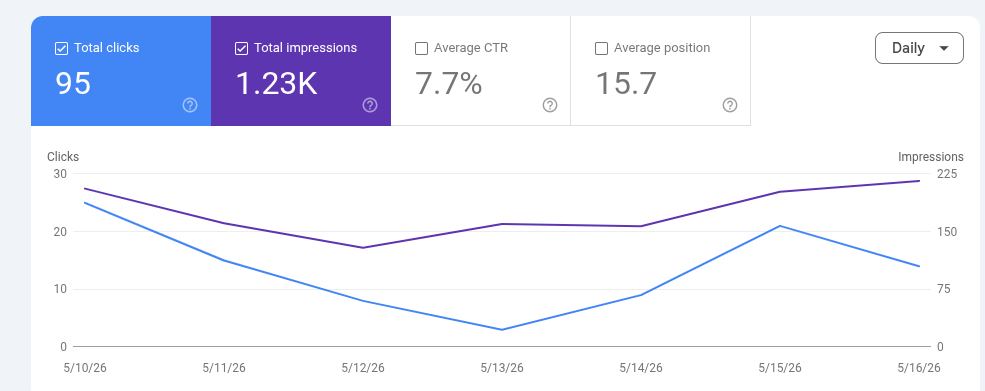
Track these KPIs using Google Search Console, Google Analytics 4, and a dedicated SEO dashboard. Adjust your strategy quarterly based on the data.
Keyword Research in the Age of AI and Voice Search
Keyword research remains the cornerstone of any SEO content plan, but the tactics have evolved. In 2026, AI‑driven tools can surface long‑tail phrases, question‑based queries, and semantic clusters faster than ever.
Step‑by‑Step Keyword Workflow
- Identify Core Topics: Start with broad themes that align with your business objectives (e.g., "sustainable home improvement").
- Use AI Assistants: Tools like ChatGPT‑4, Jasper, and Surfer SEO generate keyword ideas based on real‑time search data.
- Validate Search Volume: Cross‑check with Google Keyword Planner, Ahrefs, or Semrush for 2026 search volume trends.
- Map Intent: Classify each keyword as informational, navigational, or transactional.
- Prioritize: Choose keywords with a balance of volume, low‑to‑moderate competition, and clear intent.
Don’t forget to incorporate voice‑search phrasing—questions that start with "how", "what", or "best way to"—as they now account for over 20% of mobile searches.
Crafting High‑Quality, Search Engine Optimized Articles
Once you have a keyword list, the next step is to create content that satisfies both users and search engines. Here’s how to structure each article for maximum impact:
1. Compelling Title and Meta Tags
Include the primary keyword near the beginning of the title tag (under 60 characters) and write a meta description that entices clicks while naturally using the keyword.
2. Engaging Introduction
Hook readers within the first 50 words. Answer the core question or promise a solution, reinforcing the search intent.
3. Structured Body with H2/H3 Hierarchy
Break the content into digestible sections. Use H2 for main points and H3 for sub‑points. This hierarchy helps crawlers understand the article’s semantic flow.
4. Keyword Placement and LSI Terms
Place the primary keyword in the first 100 words, in at least one H2, and naturally throughout the copy. Sprinkle latent semantic indexing (LSI) terms to reinforce context without keyword stuffing.
5. Visuals and Multimedia
Include relevant images, infographics, or short videos. Optimize alt text with descriptive phrases that include secondary keywords.
6. Internal Links and Calls‑to‑Action
Link to related articles or pillar pages using descriptive anchor text. End with a clear CTA—whether it’s signing up for a newsletter, downloading a guide, or trying BlogHunter.
Structuring Blog Posts for SERP Success
Google’s SERP features have expanded beyond traditional blue links. To capture featured snippets, “People also ask” boxes, and video carousels, format your content accordingly:
- Answer Boxes: Provide concise, 40‑50 word answers to common questions in paragraph form.
- Lists and Tables: Use ordered or unordered lists for step‑by‑step guides; tables work well for comparison content.
- FAQ Sections: Add an FAQ schema markup to address related queries.
These formats increase the likelihood of appearing in rich results, driving higher click‑through rates.
Leveraging Internal Linking and Backlinks
Backlinks remain a critical ranking factor in 2026, but internal linking is equally powerful for distributing link equity across your site.
Internal Linking Best Practices
- Link from high‑authority pillar pages to newer articles.
- Use descriptive anchor text that includes secondary keywords.
- Maintain a reasonable link depth—no page should be more than three clicks away from the homepage.
Acquiring High‑Quality Backlinks
Focus on earning links from reputable sites within your niche. Strategies that work in 2026 include:
- Skyscraper Content: Create superior, data‑rich articles and outreach to sites that linked to older versions.
- Digital PR: Pitch newsworthy studies or industry reports to journalists.
- Guest Posting: Contribute valuable content to authority blogs, ensuring a contextual backlink.
Remember to monitor backlink health with tools like Ahrefs or Majestic and disavow toxic links promptly.
Content Calendar and Production Workflow
Consistency is key. A well‑planned content calendar helps you stay on track, align topics with seasonal trends, and allocate resources efficiently.
Building Your 2026 Calendar
- Quarterly Themes: Align content with industry events, product launches, or seasonal search spikes.
- Keyword Mapping: Assign primary and secondary keywords to each planned article.
- Production Slots: Define deadlines for research, drafting, editing, and publishing.
Use project‑management tools like Asana, Trello, or ClickUp to track progress. For teams handling large volumes of articles, automation becomes essential.
Measuring Performance and Iterating
Data‑driven iteration separates thriving SEO programs from stagnant ones. In 2026, the most insightful metrics include:
- Organic Click‑Through Rate (CTR): Indicates how compelling your titles and meta descriptions are.
- Average Position: Shows keyword ranking trends over time.
- Pages per Session: Reflects internal linking effectiveness.
- Conversion Rate from Organic Traffic: Ties SEO effort directly to business outcomes.
Set up automated reports that pull data from Google Search Console, GA4, and your SEO toolset. Review them monthly, identify underperforming articles, and refresh them with updated data, better visuals, or improved on‑page SEO.
Tools and Automation: How BlogHunter Simplifies the Process
Managing a full‑scale SEO content strategy can be overwhelming, especially when you need to produce dozens of articles each month. BlogHunter is an AI‑powered platform designed to automate the most time‑consuming tasks:
- Keyword Ideation: Generates keyword clusters based on real‑time SERP analysis.
- Content Outlines: Produces SEO‑optimized outlines that include H2/H3 structures, suggested word counts, and internal link recommendations.
- Draft Generation: Writes first‑draft articles that are 80% ready for publishing, complete with placeholders for images and meta tags.
- Performance Tracking: Integrates with Google Search Console to monitor rankings and traffic for each published piece.
By leveraging BlogHunter, you can cut content production time by up to 50%, free up writers for strategic tasks, and maintain a consistent publishing cadence—critical for scaling your SEO content strategy in 2026.
Common Mistakes to Avoid in 2026
Even seasoned marketers slip into outdated habits. Here are pitfalls that can sabotage your SEO content strategy:
- Keyword Stuffing: Overusing exact‑match keywords triggers penalties. Focus on natural language and LSI terms.
- Neglecting User Intent: Ranking for a keyword is useless if the content doesn’t answer the searcher’s question.
- Thin Content: Articles with less than 800 words often underperform unless they serve a very specific purpose (e.g., a definition).
- Ignoring Mobile Experience: Google’s mobile‑first indexing means a poor mobile UI can hurt rankings.
- Skipping Structured Data: Without schema markup, you miss out on rich snippets that boost CTR.
Address these issues early, and you’ll see faster gains in organic traffic and rankings.
Conclusion and Next Steps
Building a robust SEO content strategy in 2026 requires a blend of solid fundamentals, data‑driven decision making, and smart automation. By following the steps outlined—defining goals, conducting AI‑enhanced keyword research, crafting optimized articles, leveraging internal and external links, and continuously measuring performance—you’ll position your site for sustained growth in the SERP.
Ready to accelerate your content production and dominate the rankings? Try BlogHunter today and experience how AI can turn your SEO content strategy into a high‑velocity engine for organic traffic.
Grow organic traffic on auto-pilot
BlogHunter researches keywords, writes SEO posts, and publishes to your site automatically. No writers. No CMS. No manual work.
Publish Now