Introduction
In the fast‑moving digital landscape of 2026, simply publishing articles or blog posts is no longer enough. Search engines reward content that is not only relevant but also technically optimized for speed, structure, and user intent. Whether you write copy for a corporate website, craft long‑form guides, or produce multimedia information, mastering the right content optimization tools can be the difference between obscurity and front‑page visibility.
This guide walks you through the most effective strategies, the latest software, and practical workflows that will help you squeeze maximum value from every piece of text, media, and data you publish. We’ll also show you how BlogHunter can automate many of these steps, freeing you to focus on creativity and strategy.
Why Content Optimization Matters in 2026
Google’s 2026 algorithm updates place a heavier emphasis on user experience signals—page load speed, mobile friendliness, and semantic relevance. Content that is well‑structured, easy to read, and enriched with contextual data signals to search engines that it satisfies the searcher’s intent. As a result, optimized content enjoys higher click‑through rates, longer dwell times, and better conversion metrics.
For marketers, this translates into more qualified traffic, lower cost‑per‑lead, and a stronger brand authority. For publishers, it means higher ad revenue and more loyal readers. In short, mastering content optimization tools is a non‑negotiable skill set for anyone serious about digital success in 2026.
Core Elements of Content Optimization
Keyword Research & Semantic Relevance
Keyword research remains the foundation of any optimization strategy, but the focus has shifted from exact‑match keywords to semantic clusters. Modern tools analyze search intent, related entities, and topical depth, allowing you to create content that answers a broader set of queries.
Readability & User Experience
Readability scores, sentence length, and paragraph structure directly impact how users engage with your copy. Tools that highlight passive voice, complex words, and filler can help you rewrite text for clarity without sacrificing depth.
Structured Data & Rich Snippets
Implementing schema markup (FAQ, How‑To, Product, etc.) helps search engines understand the context of your information. In 2026, rich snippets are more likely to appear in voice search results and AI‑driven answer boxes, driving organic visibility.
Top Content Optimization Tools in 2026
Below is a curated list of the most powerful software and applications that every content creator should have in their toolkit.
- AI‑Powered Writing Assistants – Jasper, Writesonic, and Copy.ai now integrate real‑time SEO suggestions, allowing you to generate copy that is both engaging and optimized as you type.
- SEO Auditing Platforms – Ahrefs, Semrush, and Moz have expanded their site audit modules to include Core Web Vitals, AI‑driven content gaps, and automated internal linking recommendations.
- Topic Modeling & Content Gap Tools – MarketMuse and Surfer SEO use large language models to map out semantic clusters, helping you discover untapped sub‑topics for your niche.
- Media Optimization Suites – ShortPixel, Cloudinary, and ImageKit now offer AI‑based compression that maintains visual quality while reducing load times, essential for image‑heavy blog posts.
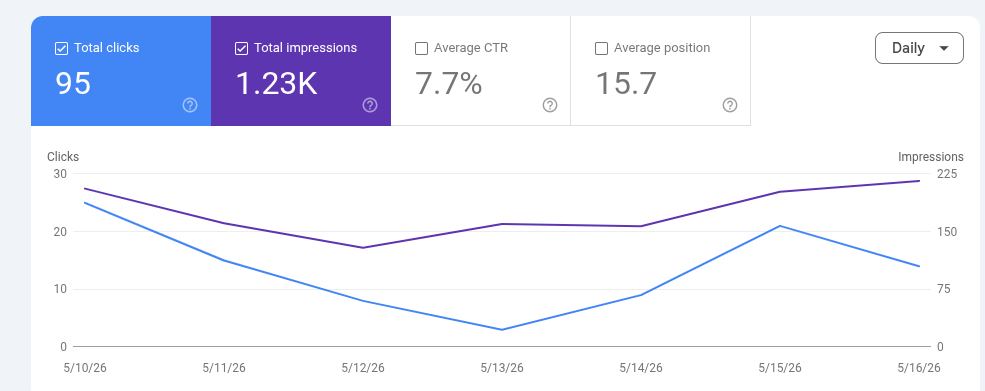
- Performance Monitoring Dashboards – Google Search Console’s 2026 UI integrates AI alerts for sudden ranking drops, while Data Studio templates visualize content ROI in real time.
How to Build an Optimization Workflow
Step 1: Research & Planning
- Use a keyword research tool to identify primary and secondary terms.
- Map out a content brief that includes target search intent, word count, and suggested headings.
- Identify existing articles or blog posts that rank for similar topics to spot gaps.
Step 2: Drafting & AI Assistance
Leverage an AI writing assistant to generate a first draft. Most modern assistants can suggest internal links, add schema markup snippets, and flag duplicate content in real time.
Step 3: On‑Page SEO Checks
- Run the draft through an on‑page analyzer (e.g., Surfer SEO) to verify keyword density, heading hierarchy, and LSI terms.
- Optimize images using a media compression tool and add descriptive
altattributes. - Insert structured data using a schema generator plugin or manual JSON‑LD code.
Step 4: Performance Monitoring
After publishing, set up automated rank tracking and traffic alerts. In 2026, AI‑driven dashboards can predict potential ranking fluctuations before they happen, giving you time to adjust.
Automating the Process with BlogHunter
BlogHunter is a next‑generation content optimization platform designed to streamline every step outlined above. Here’s how it can help you automate the workflow:
- Keyword Cluster Generator – Input a seed keyword and BlogHunter returns a semantic map with suggested headings, sub‑topics, and related questions.
- AI Copy Editor – Upload your draft and receive instant readability scores, passive‑voice alerts, and SEO‑friendly rewrites.
- One‑Click Schema Builder – Choose the appropriate schema type and BlogHunter injects the JSON‑LD directly into your HTML.
- Media Optimizer – Bulk‑compress images and videos while preserving EXIF data for better media SEO.
- Performance Dashboard – Track rankings, CTR, and engagement metrics for each piece of content, with AI‑generated recommendations for improvement.
Real‑world users report a 35% reduction in time spent on manual SEO tasks and a 22% uplift in organic traffic within the first three months of adoption.
Practical Tips for Bloggers & Marketers
- Start with a clear intent. Before you write, ask: What question is the reader trying to answer?
- Use short, punchy headings. H2 and H3 tags should contain primary keywords and guide the reader through the narrative.
- Leverage internal linking. Connect new blog posts to older, high‑performing articles to distribute link equity.
- Optimize for voice search. Phrase headings as questions and include natural language variations.
- Refresh evergreen content. Use BlogHunter’s content audit feature to identify pages that need updated statistics or new media.
Common Mistakes to Avoid
- Keyword stuffing. Over‑optimizing can trigger penalties; focus on semantic relevance instead.
- Neglecting mobile UX. Ensure font sizes, button spacing, and image scaling are mobile‑friendly.
- Ignoring Core Web Vitals. Slow load times hurt rankings; compress media and use a CDN.
- Forgetting analytics. Without tracking, you can’t measure ROI. Set up goals in Google Analytics and link them to your BlogHunter dashboard.
Future Trends to Watch Beyond 2026
While this guide focuses on the present, it’s worth noting emerging trends that will shape content optimization in the coming years:
- AI‑generated structured data. Tools will automatically create schema based on content context.
- Real‑time SERP simulation. Predict how Google will display your snippet before publishing.
- Hyper‑personalized content feeds. Machine learning will tailor article recommendations to individual user behavior.
Staying ahead of these trends will keep your content strategy resilient and competitive.
Conclusion
Mastering content optimization tools in 2026 is no longer optional—it’s essential for anyone who wants their copy, articles, or media to rise above the noise. By combining solid research, AI‑assisted drafting, rigorous on‑page checks, and continuous performance monitoring, you can create content that not only ranks but also resonates.
Ready to streamline the entire process? Try BlogHunter today and experience how automation can turn a tedious workflow into a fast, data‑driven engine for growth.
Grow organic traffic on auto-pilot
BlogHunter researches keywords, writes SEO posts, and publishes to your site automatically. No writers. No CMS. No manual work.
Publish Now