Introduction: The Evolution of SEO Blog Posts in 2026
Writing SEO blog posts in 2026 requires a strategic approach that balances search engine optimization with genuine value for readers. With search algorithms becoming increasingly sophisticated, the old tactics of keyword stuffing and thin content no longer work. Today's successful SEO blog posts must be comprehensive, authoritative, and genuinely helpful to readers.
The landscape of search engine optimization has evolved dramatically, with Google's algorithms now prioritizing user experience, content depth, and topical authority. This means that creating effective SEO blog posts requires understanding not just keywords, but also search intent, content structure, and the broader topic ecosystem.
In this comprehensive guide, we'll walk through the exact process of creating SEO blog posts that rank well and drive organic traffic. Whether you're a beginner or looking to refine your existing strategy, these steps will help you create content that both search engines and readers love.
Understanding SEO Blog Posts in 2026
What Makes a Blog Post SEO-Friendly?
An SEO-friendly blog post is one that's optimized for search engines while still providing exceptional value to readers. The key is finding the sweet spot between optimization and readability. In 2026, this means creating content that demonstrates expertise, authority, and trustworthiness (E-A-T) while also being technically optimized for search.
Modern SEO blog posts must address user intent comprehensively. This means understanding what searchers are actually looking for when they type in a query and providing content that fully satisfies that need. Whether they're looking for information, wanting to make a purchase, or seeking a specific website, your content needs to align with their expectations.
The Importance of Search Intent
Search intent has become the cornerstone of successful SEO blog posts. There are four main types of search intent: informational, navigational, transactional, and commercial investigation. Understanding which type your target keyword represents is crucial for creating content that ranks and converts.
For example, if someone searches "how to write SEO blog posts," they're likely looking for informational content with step-by-step guidance. Creating a transactional page for this keyword would miss the mark entirely. Matching your content format and depth to search intent is essential for SEO success in 2026.
Step 1: Keyword Research and Topic Selection
Finding the Right Keywords
Keyword research remains the foundation of SEO blog posts, but the approach has evolved. In 2026, successful keyword research involves finding terms with the right balance of search volume, competition level, and relevance to your audience. Tools like SEMrush, Ahrefs, and Google Keyword Planner can help identify opportunities, but the real skill lies in understanding which keywords align with your content goals.
Focus on long-tail keywords that indicate specific user intent. These often have lower competition and higher conversion rates than broad terms. For instance, "SEO blog posts step by step guide" is more targeted than just "SEO blog posts," making it easier to rank for and more likely to attract qualified readers.
Analyzing Search Intent and Competition
Once you've identified potential keywords, analyze the search results to understand what type of content currently ranks. Look at the top 10 results and note their content format, depth, and approach. This analysis reveals what Google considers the best answer to that query and helps you create something that can compete.
Pay attention to featured snippets, people also ask boxes, and related searches. These provide insights into user questions and content gaps you might fill. In 2026, creating content that answers these related questions can help you capture more SERP real estate and establish topical authority.
Step 2: Content Planning and Structure
Creating a Comprehensive Outline
Before writing, create a detailed outline that addresses all aspects of your topic. A well-structured outline ensures your SEO blog posts cover the subject comprehensively and helps maintain logical flow. Start with your main points, then break them down into sub-points that address specific aspects of each topic.
For a guide on writing SEO blog posts, your outline might include sections on keyword research, content structure, on-page optimization, promotion strategies, and measurement. Each of these main sections would then have multiple sub-sections covering specific techniques and best practices.
Determining Content Depth and Length
Content depth is crucial for SEO success in 2026. While there's no magic word count, comprehensive content that thoroughly covers a topic tends to perform better. Research suggests that content between 1,500-2,500 words often performs well for competitive keywords, but the key is quality over quantity.
Your content should be as long as necessary to fully address the topic without unnecessary fluff. Use your outline to ensure you're covering all relevant aspects and providing actionable insights readers can implement. Remember, the goal is to be the most comprehensive resource on the topic.
Step 3: Writing High-Quality Content
Crafting Compelling Introductions
Your introduction sets the tone for your entire SEO blog post and determines whether readers will continue. Start with a hook that grabs attention, then clearly state what the reader will learn and why it matters. In 2026, readers have shorter attention spans, so your introduction needs to quickly establish value.
Address the reader's pain points and promise a solution. For example, if you're writing about SEO blog posts, acknowledge the challenges of creating content that ranks and promise a step-by-step system that works. This builds trust and encourages readers to continue through your entire post.
Maintaining Readability and Engagement
Readability is crucial for both user experience and SEO. Use short paragraphs (2-3 sentences max), plenty of white space, and clear headings to make your content scannable. Most readers won't read every word, so make it easy for them to find the information they need.
Incorporate various content elements like bullet points, numbered lists, quotes, and images to break up text and maintain engagement. Use a conversational tone that's professional yet approachable. Remember, you're writing for humans first, search engines second.
Incorporating Keywords Naturally
Keyword integration has evolved significantly. In 2026, the focus is on natural language and semantic relevance rather than exact keyword matching. Include your primary keyword in strategic locations like the title, first paragraph, and a few subheadings, but prioritize natural flow over forced inclusion.
Use related terms and synonyms throughout your content to demonstrate topical authority. This helps search engines understand your content's context and can improve rankings for related queries. Tools like LSIGraph can help identify semantically related terms to include.
Step 4: On-Page SEO Optimization
Optimizing Title Tags and Meta Descriptions
Your title tag is one of the most important on-page SEO elements. Include your primary keyword near the beginning, keep it under 60 characters, and make it compelling enough to encourage clicks. Use power words and create a sense of urgency or benefit to improve click-through rates.
Meta descriptions don't directly impact rankings but significantly affect click-through rates. Write compelling descriptions under 160 characters that include your target keyword and clearly communicate the value readers will get from your content. Think of it as ad copy that convinces searchers to choose your result over competitors.
Header Structure and Internal Linking
Use a logical header hierarchy (H1, H2, H3, etc.) to organize your content and help both readers and search engines understand your content structure. Your H1 should be your main title, with H2s for main sections and H3s for subsections. This structure improves readability and helps search engines understand your content's topical relationships.
Internal linking is crucial for SEO blog posts. Link to relevant existing content on your site to keep readers engaged longer and help search engines discover and index your content. Use descriptive anchor text that includes relevant keywords naturally.
Image Optimization and Technical Elements
Images enhance user experience but must be optimized for SEO. Use descriptive file names, add alt text with relevant keywords, and compress images to improve page load speed. In 2026, Core Web Vitals remain crucial ranking factors, so technical optimization is essential.
Include schema markup where appropriate to help search engines understand your content better. For blog posts, Article schema can enhance your search listings with rich snippets. Also ensure your content is mobile-friendly, as mobile-first indexing is now standard.
Step 5: Content Promotion and Link Building
Strategic Content Promotion
Creating great SEO blog posts is only half the battle; promotion is equally important. Share your content across social media platforms, email newsletters, and relevant online communities. In 2026, platforms like LinkedIn and Twitter (X) remain valuable for B2B content promotion, while visual platforms can work well for certain niches.
Consider repurposing your content into different formats like videos, infographics, or podcasts to reach different audience segments. This multi-channel approach increases your content's reach and can generate valuable backlinks.
Building Quality Backlinks
Backlinks remain a crucial ranking factor in 2026, but quality matters more than quantity. Focus on earning links from authoritative sites in your niche through guest posting, broken link building, and creating link-worthy content like original research or comprehensive guides.
Reach out to influencers and industry experts who might find your content valuable. Personalized outreach that demonstrates genuine value is more effective than mass email campaigns. Remember, building relationships often leads to more natural link opportunities.
Step 6: Measuring and Improving Performance
Tracking Key Metrics
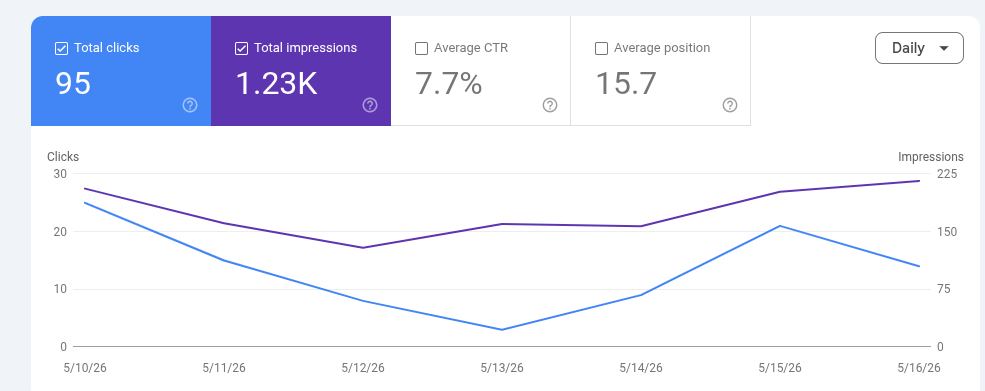
Monitor your SEO blog posts' performance using tools like Google Analytics and Google Search Console. Track metrics like organic traffic, average time on page, bounce rate, and conversion rates. These insights help you understand what's working and what needs improvement.
Pay attention to which keywords are driving traffic and how your content ranks over time. Use this data to inform future content creation and optimization efforts. In 2026, understanding user behavior through metrics like scroll depth and interaction rates provides valuable insights into content effectiveness.
Continuous Optimization
SEO is an ongoing process, not a one-time task. Regularly update your content to keep it current and competitive. Add new information, update statistics, and improve sections that aren't performing well. Google favors fresh, up-to-date content, especially for topics that change frequently.
Use A/B testing to optimize elements like titles, meta descriptions, and calls-to-action. Small improvements can lead to significant gains in traffic and conversions over time. Stay informed about algorithm updates and adjust your strategy accordingly.
Advanced SEO Blog Post Strategies for 2026
Leveraging AI and Automation
In 2026, AI tools have become valuable assets for content creation and optimization. Tools like BlogHunter can help automate many aspects of SEO blog post creation, from keyword research to content generation and optimization. However, human oversight remains crucial for ensuring quality and authenticity.
Use AI to streamline your workflow, generate content ideas, and optimize existing content. But always review and refine AI-generated content to ensure it meets your quality standards and provides genuine value to readers. The best results come from combining AI efficiency with human creativity and expertise.
Voice Search and Featured Snippets
Voice search continues to grow in 2026, requiring content optimization for conversational queries. Structure your content to answer specific questions clearly and concisely, as these are often used for voice search results and featured snippets. Use FAQ sections and direct answer formats to increase your chances of appearing in these prominent positions.
Featured snippets can significantly increase your visibility and traffic. Format your content to answer questions directly, use lists and tables where appropriate, and aim to provide the most comprehensive answer to common queries in your niche.
Common Mistakes to Avoid
Keyword Stuffing and Over-Optimization
While keywords remain important, over-optimization can harm your SEO efforts. Avoid keyword stuffing, which creates unnatural, difficult-to-read content. Instead, focus on semantic relevance and natural language that serves readers first.
Don't sacrifice quality for the sake of optimization. Content that's written primarily for search engines rather than humans often performs poorly. Remember, user engagement metrics like time on page and bounce rate influence rankings, so prioritize reader experience.
Ignoring User Experience
Many SEO practitioners focus solely on technical optimization while neglecting user experience. Slow loading times, poor mobile optimization, and difficult navigation can all hurt your rankings and conversions. In 2026, Core Web Vitals are crucial ranking factors, so technical performance matters more than ever.
Ensure your content is accessible, easy to navigate, and provides a seamless experience across all devices. Consider factors like readability, visual appeal, and ease of finding information when designing your content layout.
Conclusion: Creating SEO Blog Posts That Rank and Convert
Writing effective SEO blog posts in 2026 requires a comprehensive approach that combines strategic keyword research, high-quality content creation, technical optimization, and ongoing performance monitoring. By following the steps outlined in this guide, you can create content that not only ranks well in search engines but also provides genuine value to your audience.
Remember that SEO success doesn't happen overnight. It requires consistent effort, continuous learning, and adaptation to changing algorithms and user behaviors. Focus on creating the best possible content for your target audience, and the rankings and traffic will follow.
Tools like BlogHunter can significantly streamline your SEO blog post creation process, helping you research keywords, generate content ideas, and optimize your writing for search engines. By leveraging these tools while maintaining human oversight and creativity, you can create a powerful content strategy that drives sustainable organic growth.
Ready to take your SEO blog posts to the next level? Start implementing these strategies today, and watch your organic traffic grow. The key is consistency and a commitment to providing exceptional value to your readers while optimizing for search engines.
Call to Action
Want to create SEO-optimized blog posts faster and more effectively? Try BlogHunter today and discover how automation can transform your content creation process. With advanced features for keyword research, content generation, and optimization, BlogHunter helps you create high-ranking content in a fraction of the time. Start your free trial now and join thousands of content creators who are already seeing results!
Grow organic traffic on auto-pilot
BlogHunter researches keywords, writes SEO posts, and publishes to your site automatically. No writers. No CMS. No manual work.
Publish Now